There is a particular sound that doctors of an older generation could recognize from across a hallway. A child coughs, again and again, in a rapid burst that leaves no room to breathe, and then pulls in air with a high-pitched “whoop.” Afterward, the child may vomit, look exhausted, and then seem almost normal until the next fit arrives.
That is pertussis, better known as whooping cough. Vaccines made it uncommon in Canada for decades, but it never fully went away, and it continues to circulate in waves. Part of the reason is that protection from both the vaccine and past infection fades over time. Teenagers and adults with a lingering cough they assume is “just a cold that won’t quit” can carry the bacteria into homes where a newborn has just arrived.
That last point is what makes whooping cough so important to understand. For a healthy adult, it is a long, tiring, frustrating illness. For a young baby, it can be life-threatening. This article covers how the illness unfolds, why infants are so vulnerable, how vaccines protect families in Scarborough at every age, and when a cough calls for a medical visit.
A bacterial infection, not a virus
Whooping cough is caused by a bacterium called Bordetella pertussis. It attaches to the lining of the airways and releases toxins that inflame and damage them. The damage is what drives the severe, prolonged coughing, and it is also why the cough can last long after the bacteria themselves are gone.
Pertussis spreads through droplets when someone coughs or sneezes, and through close contact. It is very contagious. In a household where one person has it, a large share of unprotected family members are likely to catch it. In Scarborough’s many multigenerational homes, where babies, school-aged cousins, parents and grandparents may all share the same living space, one case can quickly become several.
The three stages of pertussis
Whooping cough tends to move through three stages. Knowing them helps explain why it is so often missed early.
Stage one: it looks like a cold
For the first week or two, pertussis is hard to tell apart from any ordinary respiratory infection. Symptoms may include:
- A runny or stuffy nose
- Sneezing
- A mild cough
- A low-grade fever, or none at all
- Watery eyes
This is the stage when people are most contagious, and it is also when almost nobody suspects anything unusual. Many families in Scarborough are juggling school drop-offs, commutes and shifts in the fall, so a “small cold” rarely gets a second thought.
Stage two: the coughing fits
After one to two weeks, the cough changes. It begins to come in violent spells, called paroxysms, often worse at night. During a spell, a person may:
- Cough many times in a row without being able to breathe in
- Turn red or even bluish in the face
- Make a “whooping” sound when finally gasping for air
- Gag or vomit after coughing
- Feel completely drained afterward
Between spells, the person may look and feel surprisingly well, which can be confusing. This stage can last several weeks.
Not everyone whoops. Babies often do not have the strength to make the sound, and teenagers and adults who have some partial immunity may simply have a stubborn, hacking cough that wakes them at night. A cough that lasts more than two weeks, especially one that comes in fits or ends in vomiting, deserves a closer look.
Stage three: slow recovery
Gradually, the fits become less frequent and less severe. Recovery can take weeks to months. Older names for whooping cough in some languages translate roughly to “the hundred-day cough,” and that description is not much of an exaggeration. Even after the infection clears, a new cold can sometimes bring back a pertussis-like cough for a while.
Why babies are at the greatest risk
Infants, particularly those too young to have completed their first series of vaccines, are the people most likely to become seriously ill or die from whooping cough. Their airways are small, and the coughing fits can leave them unable to breathe properly.
In babies, pertussis can look different from the classic picture:
- They may not cough much at all
- They may have pauses in breathing, called apnea
- They may turn blue or grey around the lips
- They may struggle to feed, or gag and vomit with feeds
- They may seem unusually sleepy or limp
Complications in infants can include pneumonia, seizures, brain injury from lack of oxygen and, in some cases, death. Many babies who catch pertussis need to be hospitalized.
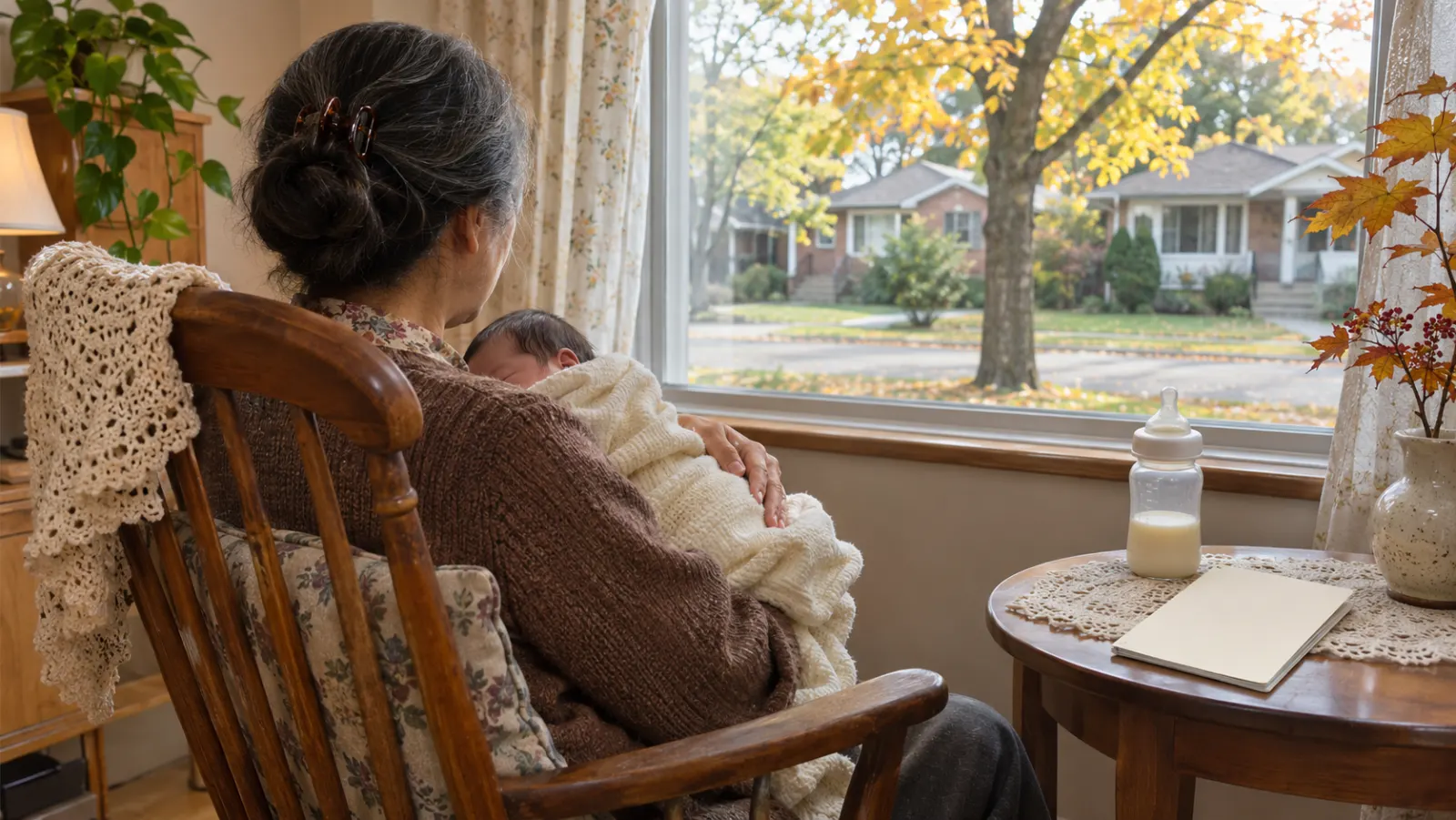
Very often, babies catch whooping cough from someone in their own home: a parent, older sibling, grandparent or caregiver who does not realize their persistent cough is contagious. That is why protecting a newborn is really about protecting the whole circle of people around them.
How vaccination protects each generation
Pertussis vaccines in Canada are combined with protection against other diseases, such as tetanus and diphtheria. The exact products and schedules vary by age, and your doctor can confirm what is currently recommended in Ontario for you or your child. In general terms, here is how protection is layered.
Infants and young children
Babies receive a series of doses starting in early infancy, followed by boosters in the toddler and preschool years. Keeping these appointments on time is important, because a baby is not well protected until several doses have been given. If you are unsure whether your child is up to date, childhood vaccinations can be reviewed and given at the clinic.
Teenagers
A booster is given in the teen years, usually through school programs or at a doctor’s office. Teens are a group in whom protection from childhood doses has often started to wane.
Adults
Adults are generally recommended to receive one dose of a pertussis-containing vaccine in adulthood if they did not get one as a teenager, alongside regular tetanus and diphtheria boosters. This is especially worth considering if you will be around a newborn, whether you are a parent, grandparent, babysitter or relative coming to help after a birth. Our adult vaccinations service can help you sort out what you have had and what you may still need.
Many newcomers to Scarborough arrive without complete vaccine records, or with records in another language. That is common and fixable. Bring whatever documents you have, and a doctor can help work out a catch-up plan.
During pregnancy
Getting a pertussis-containing vaccine during each pregnancy is recommended in Canada, usually in the second half of pregnancy. The vaccine helps the pregnant person make antibodies that cross the placenta, giving the baby some protection during the vulnerable first months before their own vaccines take effect. This is recommended in every pregnancy, even if you were vaccinated before or in a previous pregnancy. Ask your prenatal care provider about the best timing for you.
The idea of “cocooning”
Vaccinating the people around a newborn, sometimes called cocooning, adds another layer. It does not replace vaccination during pregnancy or the baby’s own vaccines, but it reduces the chance that someone in the household brings pertussis home.
Diagnosis and treatment
How doctors check for pertussis
If whooping cough is suspected, a doctor will ask about the cough’s pattern, how long it has lasted, and whether anyone around you has had a similar illness. A swab from the back of the nose may be sent to a lab for testing. Testing is most useful in the earlier weeks of illness. Later on, the diagnosis may be made based on the symptoms and history.
Antibiotics
Pertussis is treated with antibiotics. Started early, they can shorten the illness and reduce its severity. Started later, they may not change how long the cough lasts, but they still matter because they stop the person from spreading the bacteria to others.
Close contacts, especially those living with a baby or a pregnant person in the later stages of pregnancy, may also be advised to take antibiotics as a preventive measure, even if they feel fine. Public health may contact families about this when a case is confirmed.
Staying home while contagious
People with pertussis are generally asked to stay away from school, daycare and work until they have completed a set number of days of antibiotics, or until enough time has passed since the cough began if they are not treated. Your doctor or Toronto Public Health can tell you exactly how long. If your employer or school asks for documentation, a sick note can be provided after a visit where appropriate.
Comfort at home
There is no medicine that reliably stops pertussis coughing fits. What helps:
- Rest and plenty of fluids
- Small, frequent meals if coughing leads to vomiting
- A calm, smoke-free home, since smoke and strong fumes can trigger spells
- Keeping the air comfortably humid as indoor heating starts up in the fall
- Staying close to a child during coughing fits to reassure them and help them sit up
Over-the-counter cough syrups are not recommended for young children and usually do little for pertussis in any age group.
When to get medical care
Book a visit if
- A cough has lasted more than two weeks
- The cough comes in fits, especially at night
- Coughing ends in a whoop, gagging or vomiting
- Someone in your home has been diagnosed with pertussis
- You are pregnant or caring for a baby and you or someone close to you has a persistent cough
Our respiratory infection treatment visits include an assessment of a lingering cough and, where it makes sense, testing and treatment. If you think you might have whooping cough, please call ahead before arriving so we can take steps to protect other patients, including infants, in the waiting area.
Call 911 or go to the emergency department if
- A baby has pauses in breathing, or turns blue or grey
- Anyone is struggling to breathe or breathing very fast
- A child cannot catch their breath between coughing spells
- A baby is not feeding, or shows signs of dehydration such as very few wet diapers
- Someone has a seizure or is very drowsy and hard to wake
For guidance at any hour, Health811 connects Ontario residents with a registered nurse by phone.
A good time to check your records
Fall in Scarborough means busy classrooms, crowded buses along Eglinton and families moving indoors as temperatures drop, all of which help respiratory infections spread. If you have a baby on the way, a newborn at home, or you are simply not sure when your last booster was, now is a good time to find out.
Visit HealthSmart Medical in Scarborough
HealthSmart Medical offers walk-in and booked visits for children and adults, including assessments for long-lasting coughs and help bringing vaccines up to date for every member of the household. Our family doctors can review your records and talk through what protection makes sense for your family.
We are located at 2425 Eglinton Ave. East, Unit 12, in Scarborough. Call 416-757-7117, or book online before your visit.
This article is for general information and is not a substitute for medical advice. If you have severe or worsening symptoms, call 911 or go to the nearest emergency department.