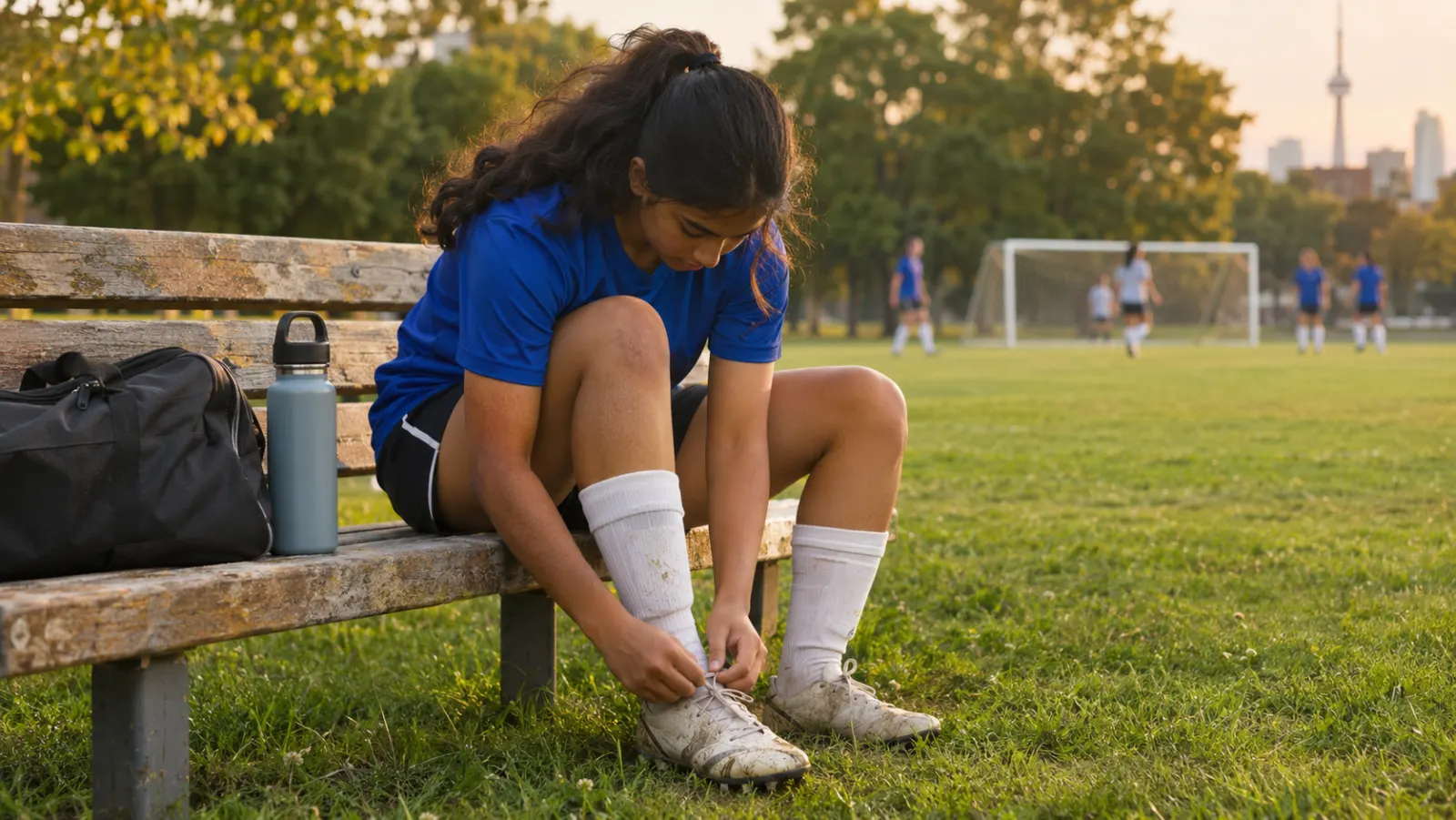
September has its own sound in Scarborough. Soccer whistles carry across park fields in the evening, basketball shoes squeak in school gyms, and hockey parents start digging gear bags out of the basement long before the first frost. For a lot of families, the new season also comes with a form from the coach or school that says a sports physical is needed before the first game.
It’s easy to treat that form as one more errand. Book a quick visit, get a signature, move on. But a sports physical is one of the few times a healthy, active young person sits down with a clinician specifically to talk about how their body handles hard effort. Done properly, it can catch things that are invisible on the field: a heart rhythm problem that only shows up during a sprint, asthma that has been quietly limiting a player for years, or an old concussion that never fully settled.
This guide walks through what a sports physical actually involves, the warning signs every parent and coach should know, and how to get the most out of the visit if your child plays sports in Scarborough.
Why a sports physical is more than a signature
Most organized sports programs ask for some form of medical clearance, but the real value of the visit is in the conversation. A child who seems perfectly fit may still have a condition that changes how they should train, what they should carry in their bag, or which symptoms should make them stop playing immediately.
A sports physical is also a chance to step back and look at the whole athlete. Teens who play two or three sports at once, train year-round, or move from house league to competitive levels are under real physical demand. Growth spurts, changing sleep patterns, school stress, and nutrition all feed into how well they perform and how likely they are to get hurt.
For many families, especially those without a regular family doctor, the sports physical may be the only check-up a healthy teenager has all year. That makes it worth doing carefully.
What the clinician will usually check
Every visit is a little different depending on the sport, the age of the athlete, and their history. Still, most sports physicals cover a similar core.
Health history
This is often the most important part, and it is where parents can help the most. The clinician may ask about:
- Past injuries, including sprains, fractures, dislocations, and anything that needed physiotherapy
- Previous concussions or any time the athlete “got their bell rung”
- Chest pain, fainting, dizziness, or a racing heartbeat during or after exercise
- Breathing problems, wheezing, or coughing with activity
- Allergies, including food allergies and insect stings, and whether an epinephrine auto-injector is prescribed
- Medications and supplements, including protein powders, pre-workout products, and energy drinks
- Surgeries, hospital stays, or chronic conditions such as diabetes or seizures
- Family history of heart disease, sudden unexplained death at a young age, or inherited heart conditions
Teens sometimes answer differently when a parent is in the room. It is normal for a clinician to ask a young athlete a few questions privately, especially about mood, sleep, substance use, or anything they might feel awkward discussing.
Physical examination
The hands-on part of the visit usually includes height, weight, blood pressure, and heart rate. The clinician will listen to the heart and lungs, check vision where relevant, and look at posture, joints, and flexibility. Any area that has been injured before may get extra attention, along with a check of strength and range of motion.
If something needs a closer look, the clinician may suggest follow-up, testing, or a referral rather than clearing the athlete right away. That is not a failure. It means the visit did its job.
The form itself
Bring whatever paperwork the school, club, or camp has provided. Some forms are simple; others ask detailed questions about specific conditions. HealthSmart Medical also offers medical forms completion, so if your child needs paperwork for more than one program, mention it at booking so everything can be reviewed together.
Heart warning signs every sports family should know
Serious heart problems in young athletes are uncommon, but they matter because they can be silent until the moment they are not. Some inherited conditions affect the heart muscle or its electrical system and may first show up during intense exercise.
A sports physical is designed to look for clues, and many of those clues come from the athlete’s own experience. Talk to a doctor before the next practice if your child has:
- Fainted or nearly fainted during or right after exercise
- Chest pain or pressure with activity
- A heartbeat that feels like it is racing, pounding, skipping, or fluttering for no clear reason
- Shortness of breath that seems far out of proportion to the effort, or that is worse than teammates of a similar fitness level
- Unusual tiredness with exercise that is new or getting worse
Family history matters too. If anyone in the family died suddenly and unexpectedly at a young age, had a heart condition diagnosed young, or has a known inherited heart rhythm problem, tell the clinician. Depending on what comes up, they may recommend an ECG or a referral to a specialist before the athlete returns to full play.
When to call 911
If an athlete collapses during play and is not responding normally, call 911 right away, start CPR if you are trained, and send someone for the nearest AED. Many Scarborough community centres, arenas, and schools have AEDs on site. Coaches and parent volunteers who take a CPR course are giving their team a real safety advantage.
Concussion awareness on and off the field
Concussions are not only a hockey or football issue. They happen in soccer when two players go up for a header, in basketball after a fall, in cheer, gymnastics, martial arts, and even on the playground. A concussion is a brain injury, and it does not require a loss of consciousness.
Ontario’s Rowan’s Law was created after the death of a young rugby player and puts a strong focus on concussion awareness, removing athletes from play when a concussion is suspected, and following a structured return-to-sport process. Many school boards and sports organizations ask athletes and parents to review concussion information each season. If your child’s club hands you that material, it is worth actually reading it together.
Signs of a possible concussion
After a hit, fall, or jolt to the head or body, watch for:
- Headache or a feeling of pressure in the head
- Dizziness, balance problems, or blurry vision
- Nausea or vomiting
- Confusion, trouble remembering what happened, or seeming “foggy”
- Unusual irritability, sadness, or emotional changes
- Sensitivity to light or noise
- Trouble sleeping, or sleeping much more than usual
Symptoms may appear right away or develop over the following hours and days.
The golden rule: when in doubt, sit them out
An athlete with a suspected concussion should be removed from play and should not return the same day. Continuing to play after a concussion raises the risk of a more serious injury. A medical assessment is needed before returning, and return to sport usually follows a gradual, step-by-step plan rather than a single “you’re fine” moment. School and learning may also need a gradual return.
Go to the emergency department or call 911 if an athlete has a severe or worsening headache, repeated vomiting, seizures, increasing confusion, weakness or numbness in the arms or legs, slurred speech, trouble waking up, or any loss of consciousness.
If your child has had concussions before, mention every one at the sports physical, even if they seemed minor at the time. Multiple concussions, or concussions that took a long time to recover from, can change the advice a clinician gives.
Asthma, allergies, and other conditions that need a plan
Plenty of young athletes play at a high level with asthma, diabetes, epilepsy, or allergies. The key is having a plan that the athlete, the parents, and the coach all understand.
For asthma, a sports physical is a good time to check whether symptoms are well controlled, whether the reliever inhaler is being used before exercise when prescribed, and whether the inhaler technique is actually working. Cold, dry air during fall soccer or winter outdoor training can make exercise-induced symptoms worse. If your child coughs or wheezes every time they run, that is a sign to revisit their asthma management, not something they should simply push through.
For athletes with severe allergies, make sure an epinephrine auto-injector is in the sports bag, not left at home, and that it has not expired. Coaches should know where it is and how to use it.
Athletes with diabetes may need to talk through blood sugar monitoring around practice and games, snacks, and what to do if levels drop during long tournaments.
Preparing for the visit
A little preparation makes the appointment more useful and less rushed.
- Bring the forms. Fill in the parent and athlete sections ahead of time if you can.
- List the sports. Include the level of play and how many hours per week your child trains.
- Write down injury history. Dates are not essential, but a rough timeline helps.
- Bring medications. That includes inhalers, auto-injectors, and any supplements.
- Ask relatives about family heart history. In multigenerational households, grandparents may know details that parents do not.
- Wear comfortable clothing. Shorts and a t-shirt make the joint and posture check easier.
- Bring glasses or contacts if your child uses them.
If your family is new to Canada and your child’s medical records are from another country, bring whatever you have, including vaccination records. You can also ask about catch-up immunizations during the same period if anything is missing.
Training habits that keep kids in the game
A sports physical can also open the door to practical conversations about staying healthy all season.
Rest and recovery
Young athletes who play the same sport year-round, without breaks, are more likely to develop overuse injuries such as heel pain, knee pain, shin pain, and shoulder or elbow problems. Rest days and some variety in activity are part of a healthy training plan, not a sign of being less committed.
Sleep
Teens need more sleep than most of them get. Early-morning practices, late games, homework, and screens can add up quickly. Poor sleep affects reaction time, mood, and injury risk.
Hydration and heat
Late-summer tryouts and early-fall tournaments can be hot and humid. Athletes should drink water regularly, take breaks in the shade, and know the signs of heat illness: headache, dizziness, nausea, cramps, confusion, and heavy fatigue. Confusion or collapse in the heat is an emergency.
Fuel
A balanced meal or snack before activity and something to eat afterward helps with energy and recovery. Energy drinks are not a substitute and can cause a racing heart in some young people.
When to come back before next season
A sports physical is not a one-time stamp of approval. Book a follow-up visit if your child develops any new symptoms during the season, especially chest pain, fainting, breathing trouble, or ongoing effects after a head injury. Injuries that are not improving, pain that changes how your child runs or throws, or a sudden drop in performance are also worth having checked.
Book a sports physical at HealthSmart Medical
HealthSmart Medical is on Eglinton Avenue East, an easy stop for families in Scarborough whether you drive or take transit. Our clinicians offer sports physicals for children, teens, and adults, and can look at the forms, the health history, and the questions you bring at the same visit.
Call us at 416-757-7117 or book online to find a time that fits around practice. A little attention before the season starts can help your athlete focus on what they actually came to do: play.
This article is for general information and is not a substitute for medical advice. If you have severe or worsening symptoms, call 911 or go to the nearest emergency department.