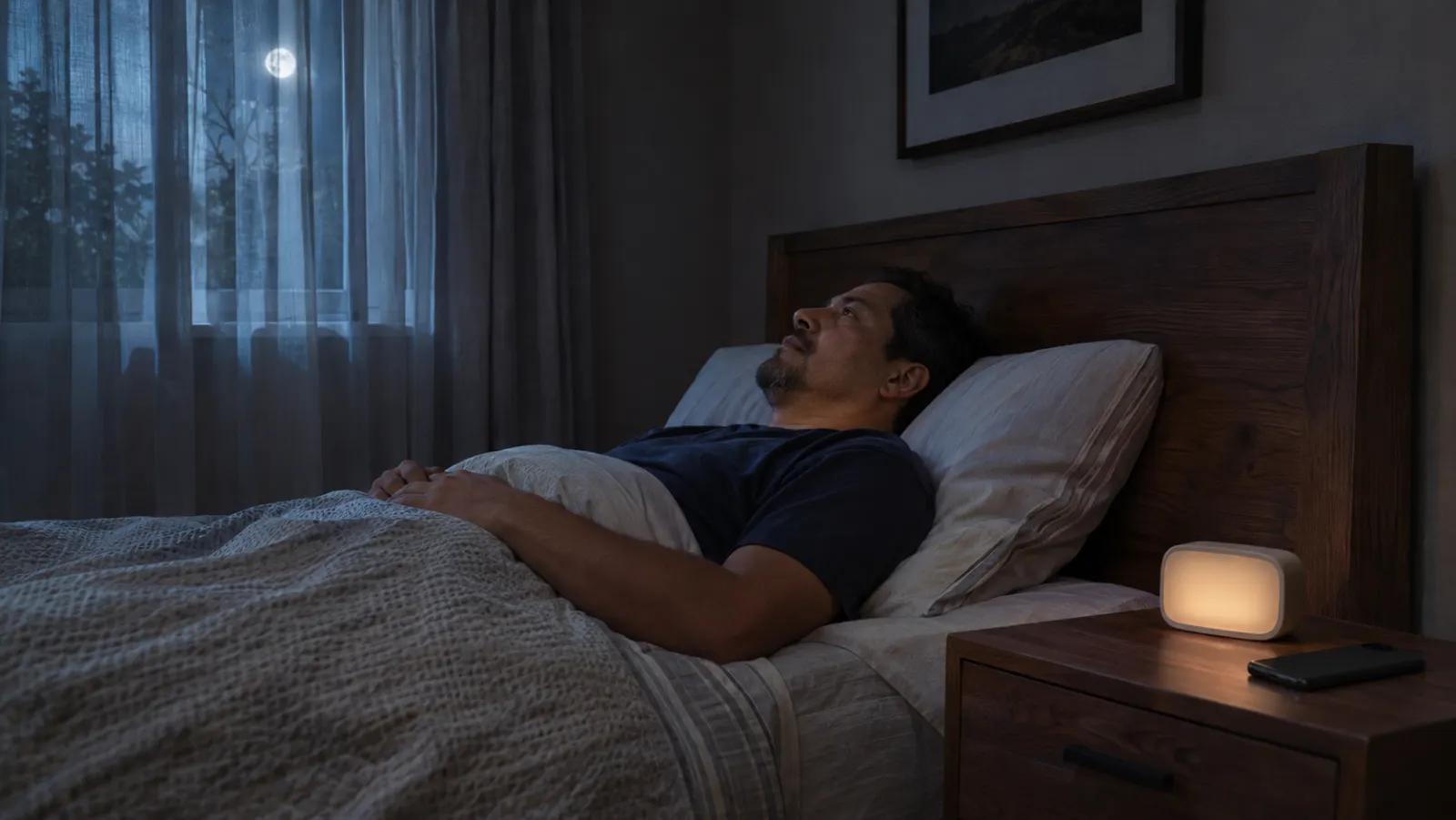
You are exhausted. You have been yawning since dinner. Then your head hits the pillow and your brain switches on: tomorrow’s shift, a bill you forgot, a conversation from three days ago. The clock reads 1:12, then 2:40, then 4:05. By the time the alarm goes off, you feel like you have barely closed your eyes.
If that sounds familiar, you are in very large company. Trouble sleeping is one of the most common complaints family doctors hear, and it touches every kind of household in Scarborough: night-shift workers coming home as the rest of the street wakes up, students cramming under a laptop glow, new parents, newcomers adjusting to a new country and a new time zone, and older adults who find themselves wide awake at 4 a.m. for no obvious reason.
The good news is that insomnia is very treatable, and the most effective long-term treatment does not come in a pill bottle. This guide explains what insomnia actually is, how modern life gets in the way of sleep, what a structured approach called CBT-I involves, how to recognize sleep apnea, and why sleeping pills are best kept for short-term use, if at all.
What counts as insomnia?
Everyone has the occasional bad night, especially around stress, illness, travel or a big life change. That kind of short-term sleeplessness usually fades on its own once the trigger passes.
Insomnia becomes a problem worth addressing when:
- You have trouble falling asleep, staying asleep, or you wake much earlier than you want and cannot get back to sleep
- This happens on at least three nights a week
- It has gone on for three months or longer (chronic insomnia), or it is clearly getting worse
- It affects your days: tiredness, poor concentration, irritability, mistakes at work, or worry about sleep itself
A key feature of chronic insomnia is that it tends to keep itself going. A few bad nights lead to worry about sleep, longer time in bed trying to catch up, naps, and more caffeine. Those well-meant habits weaken the body’s natural sleep drive and teach the brain to associate the bed with being awake and frustrated. Breaking that cycle is the heart of effective treatment.
How much sleep do adults need?
Most adults function best with roughly seven to nine hours, but needs vary. Some people do fine on a little less, and older adults often sleep more lightly and wake more often. The best guide is how you feel during the day, not an exact number.
What gets in the way of sleep
Shift work
Many people in Scarborough work nights, rotating shifts or very early starts in health care, warehouses, transit, security, manufacturing and hospitality. Working against your body clock is genuinely hard, and it is not a sign of weakness if you struggle.
Some strategies that help shift workers:
- Keep your sleep period as consistent as possible, even on days off, if your schedule allows
- Make your bedroom as dark as possible with blackout curtains or an eye mask, and use earplugs or white noise to block daytime noise
- Wear sunglasses on the drive or bus ride home after a night shift to reduce morning light exposure
- Use caffeine early in the shift rather than in the last few hours
- Let your household know your sleep hours; a sign on the door can help in a busy home
- A short nap before a night shift may improve alertness
If you are regularly falling asleep at the wheel or at work, speak to a doctor. Drowsy driving is dangerous for you and everyone around you.
Screens and light at night
Phones, tablets and laptops keep the brain engaged, and bright light in the evening nudges your body clock later. The bigger issue for most people is less the light itself than the content: scrolling news, answering work messages, or getting pulled into one more episode. Try putting the phone away 30 to 60 minutes before bed, charging it outside the bedroom, and replacing it with something calm and low-tech.
Stress, worry and mood
Anxiety and depression are closely tied to sleep problems, and each can make the other worse. Financial pressure, caregiving for children and older parents at the same time, immigration paperwork and job worries can all show up as a racing mind at night. Treating sleep often helps mood, and treating mood often helps sleep, so it is worth mentioning both.
Health conditions and medications
Many physical issues disturb sleep: chronic pain, heartburn, asthma, frequent night-time urination, restless legs, thyroid problems, and hot flashes during perimenopause, among others. If menopause symptoms are keeping you awake, our menopause management visits can help. Some medications, including certain decongestants, steroids and some antidepressants, can also interfere with sleep. Alcohol may make you drowsy at first, but it fragments sleep later in the night.
Habits that support better sleep
Sleep hygiene on its own rarely fixes chronic insomnia, but these habits create a better foundation:
- Anchor your wake time. Get up at the same time every day, including weekends. This is more important than a fixed bedtime.
- Get morning light. Step outside, even on a grey Scarborough winter morning, or sit near a bright window soon after waking.
- Watch caffeine. Avoid coffee, tea, energy drinks and cola after early afternoon.
- Be careful with alcohol and heavy late meals.
- Move during the day. Regular physical activity improves sleep, though very intense exercise right before bed may not suit everyone.
- Keep the bedroom cool, dark and quiet.
- Wind down. Build a 30-minute routine of calm activities before bed: reading, stretching, a warm shower, prayer or meditation.
- Use the bed for sleep. Avoid working, scrolling or watching TV in bed.
CBT-I: the first-choice treatment for chronic insomnia
Cognitive behavioural therapy for insomnia, usually called CBT-I, is a structured program recommended as the first-line treatment for chronic insomnia in adults. It typically runs over several weeks and focuses on retraining your sleep patterns and the thoughts that keep insomnia going. Its benefits tend to last after the program ends, which is a big advantage over medication.
CBT-I usually includes several parts:
Sleep restriction
This sounds counterintuitive, but it is one of the most powerful pieces. You temporarily limit your time in bed to roughly the amount of time you are actually sleeping. That builds up sleep pressure so that sleep becomes deeper and more consolidated. As your sleep improves, time in bed is gradually extended. This should be done with guidance, especially if you drive or work in a safety-sensitive job, because you may feel sleepier for the first week or two.
Stimulus control
The goal is to re-link your bed with sleep:
- Go to bed only when you feel sleepy, not just tired
- If you cannot fall asleep within roughly 20 minutes, or you wake and cannot drift off, get up and go to another room
- Do something quiet and dull in dim light until you feel sleepy again, then return to bed
- Repeat as needed, and get up at the same time every morning no matter how the night went
- Avoid daytime naps, or keep them short and early
Changing unhelpful thoughts
Thoughts like “If I don’t get eight hours, tomorrow will be a disaster” make it harder to sleep. CBT-I helps you notice and soften these beliefs.
Relaxation skills
Breathing exercises, progressive muscle relaxation and scheduling a “worry time” earlier in the evening can quiet a busy mind.
CBT-I can be delivered by trained therapists, in group programs, or through structured digital programs and workbooks. Availability and coverage vary, so ask your doctor what options might fit you.
Could it be sleep apnea?
Not every sleep problem is insomnia. Obstructive sleep apnea happens when the airway repeatedly narrows or closes during sleep, briefly interrupting breathing. People with sleep apnea are often unaware of it, but bed partners and family members usually notice.
Possible signs include:
- Loud, habitual snoring
- Pauses in breathing, choking or gasping during sleep
- Waking unrefreshed even after a full night in bed
- Heavy daytime sleepiness, including nodding off while reading, watching TV or driving
- Morning headaches or a dry mouth
- Waking often to urinate at night
- Trouble concentrating or irritability
Sleep apnea is more common in people with excess weight around the neck and middle, high blood pressure, and with age, but it can affect people of any size, including children. Untreated, it is linked to high blood pressure, heart problems and car crashes, so it is worth taking seriously. Diagnosis usually involves a sleep study, either at home or in a sleep lab, and your doctor can arrange a specialist referral for testing. Effective treatments exist, including CPAP machines, oral appliances, and weight and lifestyle changes.
If you find yourself fighting sleep while driving, stop driving and speak to a doctor promptly.
Why sleeping pills are not a long-term fix
It is understandable to want a quick solution after weeks of bad nights. Sleep medications can have a place, typically for short periods in specific situations. But they come with real downsides when used night after night:
- The benefit is often smaller than people expect. Many sleeping pills help you fall asleep only a little faster and sleep a little longer.
- Tolerance and dependence. Over time, the same dose may work less well, and stopping can cause rebound insomnia that makes it feel impossible to quit.
- Next-day effects. Grogginess, slowed reaction time and poor concentration can carry into the morning, which matters for driving and work.
- Falls and confusion in older adults. Sedating medications raise the risk of falls, fractures and memory problems, particularly in people over 65.
- They do not fix the underlying cause. When the pills stop, the insomnia patterns are often still there.
Over-the-counter sleep aids and antihistamines carry their own risks, especially for older adults, and so do some supplements. Talk to your doctor or pharmacist before using them regularly. If you have been taking a sleeping pill for a long time, do not stop suddenly; your doctor can help you taper slowly and safely, ideally alongside CBT-I.
When to see a doctor
Book a visit if:
- Sleep problems have lasted more than a few weeks and are affecting your days
- You or your partner suspect sleep apnea
- You are falling asleep at work or while driving
- You have restless, uncomfortable legs in the evening that keep you awake
- You rely on sleeping pills, alcohol or cannabis to sleep
- Low mood, anxiety, or pain is part of the picture
If you are having thoughts of harming yourself, please reach out immediately: call or text 9-8-8 (the Suicide Crisis Helpline), call 911, or go to the nearest emergency department.
Before your appointment, keep a simple sleep diary for one or two weeks: bedtime, roughly how long it took to fall asleep, wake-ups, final wake time, naps, caffeine, alcohol and how you felt the next day. It gives your clinician far more to work with.
Better sleep starts with a conversation at HealthSmart Medical
Insomnia can make everything harder, from patience with your kids to focus on the job. But it is not something you have to accept as permanent, and the most effective approaches teach your body and mind to sleep again rather than forcing them.
At HealthSmart Medical, a general medical consultation is a good place to talk through your sleep, look for underlying causes, and plan next steps, and some follow-up conversations may suit virtual care. If you would like ongoing support from the same team, see our family doctor page.
We are located at 2425 Eglinton Ave. East, Unit 12, in Scarborough. Call 416-757-7117 or book online, and bring that sleep diary along.
This article is for general information and is not a substitute for medical advice. If you have severe or worsening symptoms, call 911 or go to the nearest emergency department.