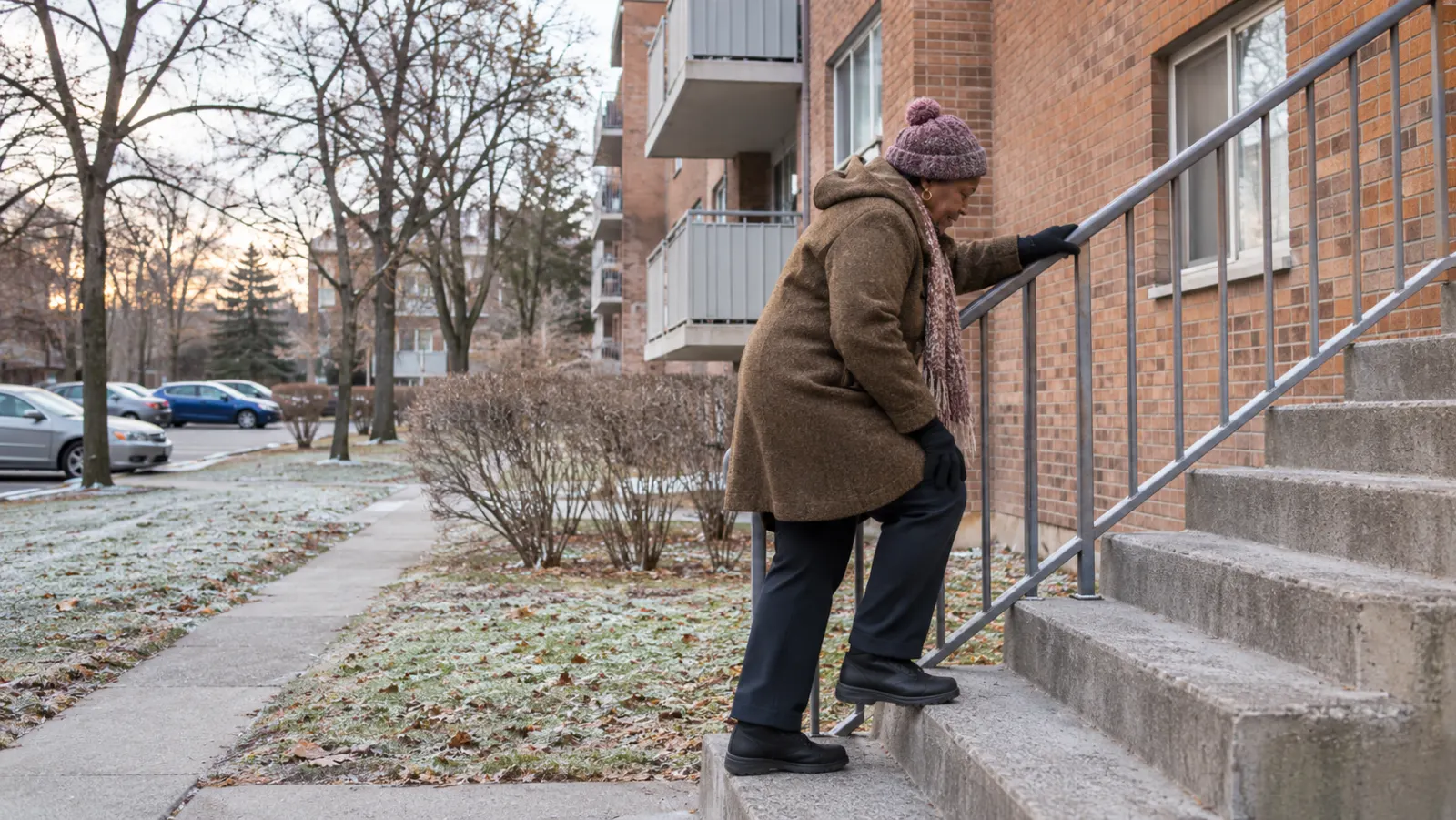
Breathing is supposed to be the one thing we never have to think about. So when the walk from the bus stop to your front door suddenly leaves you puffing, or you wake at night feeling like the air will not go all the way in, it is natural to feel unsettled. Some people brush it off as getting older or being out of shape. Others jump straight to the worst possible explanation.
The reality sits somewhere in between. Shortness of breath, which doctors call dyspnoea, is a symptom rather than a diagnosis. It can come from the lungs, the heart, the blood, the muscles, or the nervous system, and sometimes from several of these at once. A teenager with exercise-triggered asthma, a grandfather whose heart is struggling to pump, and a new mother with low iron can all describe the same feeling in almost the same words.
This guide is meant to help people in Scarborough make sense of that feeling: what it might mean, when it cannot wait, what a doctor will want to know, and what tests might follow. It will not diagnose you, but it should help you ask better questions.
First: when breathlessness is an emergency
Call 911 or go to the nearest emergency department if shortness of breath:
- Comes on suddenly and severely, especially at rest
- Comes with chest pain, pressure or tightness
- Makes it hard to speak in full sentences
- Comes with blue or grey lips, face or fingertips
- Comes with confusion, extreme drowsiness, or fainting
- Follows a long flight, surgery, a cast or a recent period of immobility, especially with a painful or swollen calf
- Starts after a bee sting, new food or medication, with swelling of the lips, tongue or throat, or hives
- Is part of an asthma attack where the reliever inhaler is not helping or is needed every few minutes
- Happens in someone who cannot lie flat at all and is coughing up pink, frothy sputum
For a young child, look for very fast breathing, the skin sucking in between the ribs or at the base of the throat, grunting, or a child too breathless to feed or play. Those signs need urgent care too.
The many reasons people get breathless
Asthma and allergies
Asthma narrows and inflames the airways, so it often brings wheezing, a tight chest, and a cough that is worse at night or early morning. Triggers can include cold air, viral infections, exercise, dust, pets, mould and smoke. Asthma can start in adulthood, which surprises a lot of people who assumed it was only a childhood condition. If you already have a diagnosis and find yourself reaching for your reliever more often, your plan probably needs a review. Our asthma management visits cover inhaler technique and adjusting treatment.
Infections that linger
A cold, flu, COVID-19 or a chest infection can leave the airways irritated for weeks after the fever is gone. Many people notice they get winded more easily during this recovery period, and a cough can hang on long after everything else has cleared. Pneumonia, by contrast, tends to bring fever, a productive cough, and breathlessness that is getting worse rather than better. November in Scarborough is the start of the busy season for respiratory viruses, so this is one of the most common reasons we hear about breathlessness at this time of year. If you are not improving, our clinic offers respiratory infection treatment.
COPD and smoking-related lung disease
Chronic obstructive pulmonary disease develops slowly, mostly in people who have smoked, though long-term exposure to dust, fumes or cooking smoke in poorly ventilated spaces can also play a part. The breathlessness creeps up over years, often with a morning cough and phlegm. People frequently adapt without noticing, avoiding stairs or walking more slowly, until a chest infection makes the problem obvious. Ongoing COPD management can help keep flare-ups down.
Anemia
Red blood cells carry oxygen. When there are too few of them, or they carry too little hemoglobin, the body compensates by breathing faster and pushing the heart harder. People with anemia often notice breathlessness on exertion along with tiredness, pale skin, a racing heart or feeling cold. Heavy periods, pregnancy, certain diets, and slow bleeding from the gut are common reasons. It is easily checked with a blood count.
The heart
The heart and lungs work as a team. If the heart is not pumping efficiently, fluid can back up into the lungs, which makes breathing harder. Heart-related breathlessness often:
- Gets worse when lying flat, so people prop themselves up on extra pillows
- Wakes people from sleep gasping, easing when they sit up
- Comes with swollen ankles or sudden weight gain over a few days
- Gradually limits how far someone can walk
Heart rhythm problems such as atrial fibrillation can also cause breathlessness, sometimes with a fluttering feeling. Narrowed heart arteries may show up as breathlessness on exertion instead of chest pain, especially in women, older adults, and people with diabetes.
Deconditioning and weight
This is one of the most common causes and one of the least dramatic. After a long illness, a stretch of working from home, a winter of staying indoors, or simply years of a desk job and car commute, the muscles become less efficient at using oxygen. The heart and lungs then have to work harder for the same activity. Extra weight around the chest and abdomen adds to the effort of breathing.
The good news is that deconditioning responds well to gradual activity. The catch is that it should be a conclusion reached after other causes are considered, not an assumption.
Anxiety and breathing patterns
Anxiety can make people feel they cannot get a satisfying breath. They may sigh or yawn often, breathe quickly from the upper chest, and feel tingling in the fingers or around the mouth. This is sometimes called a dysfunctional breathing pattern. It is real and uncomfortable, but it is treatable with breathing retraining and by addressing the underlying stress. As with every other cause here, a doctor should check for physical problems first.
Other causes worth knowing
- Blood clots in the lungs (pulmonary embolism), which are an emergency
- Thyroid problems, which can affect heart rate and muscle strength
- Acid reflux, which can trigger coughing and airway irritation at night
- Medication side effects, for example some blood pressure tablets can trigger wheezing in people with asthma
- Kidney disease, which can cause fluid build-up
- Pregnancy, where some breathlessness is normal but sudden or severe breathlessness is not
Describing the feeling: what helps the doctor
Patients often struggle to put breathlessness into words. Here are some prompts to think about before your visit, because the answers really do steer the assessment.
Timing. Did it start suddenly, over days, or over months? Is it there all the time, or does it come and go?
Triggers. Does it happen with exertion, at rest, at night, when lying down, in cold air, around pets or dust, at work, or when you feel stressed?
Measure it. Rather than “I get short of breath,” try “I used to walk to the plaza without stopping, and now I have to stop twice,” or “I can manage one flight of stairs but not two.” Concrete comparisons are far more useful than vague ones.
Companions. Is there cough, phlegm, wheeze, fever, chest pain, palpitations, swollen ankles, weight change, or unusual tiredness?
History. Mention smoking or vaping (past and present), workplace exposures, recent travel, asthma or allergies in childhood, and any heart, lung or kidney problems. Bring your medications and any inhalers so the doctor can watch you use them.
If you have a home pulse oximeter, you can bring readings, but be aware that these devices can be less accurate on darker skin tones and with cold fingers. A reading that seems reassuring should never override how you feel. If you are struggling to breathe, trust the symptom, not the number.
What testing may involve
The tests depend entirely on what the history and examination suggest. Not everyone needs all of them.
In the clinic
- Examination: listening to the heart and lungs, checking for swelling in the legs, looking at the throat and neck
- Oxygen saturation and pulse: measured with a fingertip sensor
- Peak flow: a quick blow into a meter to check for airway narrowing, often used in asthma
- ECG: a tracing of the heart’s electrical activity to look for rhythm problems or strain; HealthSmart Medical offers ECG testing when appropriate
Through a requisition or referral
- Blood work: often a complete blood count for anemia, thyroid tests, kidney function, blood sugar, and sometimes a marker that helps assess heart strain; we can provide blood work requisitions for community labs
- Chest X-ray: to look for infection, fluid, or other changes in the lungs
- Spirometry (breathing tests): measuring how much and how fast you can breathe out, the main test for asthma and COPD
- Echocardiogram: an ultrasound of the heart to check how well it pumps
- Specialist referral: to a respirologist, cardiologist or other specialist if needed
Your clinician can explain which of these make sense for you and where they are done.
Small things that help while you wait for answers
Once emergencies have been ruled out, a few practical habits can make day-to-day breathing easier:
- Use any prescribed inhalers exactly as directed, and ask for a technique check if you are not sure
- Avoid smoke, including second-hand smoke and smoke from incense or cooking in closed rooms; open a window or run the range hood when frying
- On cold days, wrap a scarf over your nose and mouth so the air is warmed before it hits your airways
- Pace yourself: on stairs or the walk from the TTC, slow down rather than stopping completely
- Keep up with vaccines that are appropriate for you, as respiratory infections can tip a stable condition into a crisis
- Write down when breathlessness happens for a week or two; patterns jump out on paper
Breathing easier in Scarborough
Shortness of breath is one of those symptoms that should never just be accepted as “normal now.” Whether the cause turns out to be a manageable asthma flare, low iron, a heart that needs support, or a body that simply needs to rebuild its fitness, finding out is the first step toward feeling better.
If your breathlessness is new, getting worse, or limiting what you can do, our family doctors and walk-in team in Scarborough can assess it and arrange testing. Visit HealthSmart Medical at 2425 Eglinton Ave. East, Unit 12, call 416-757-7117, or book online. If breathing becomes severe, sudden, or comes with chest pain or blue lips, call 911 right away.
This article is for general information and is not a substitute for medical advice. If you have severe or worsening symptoms, call 911 or go to the nearest emergency department.