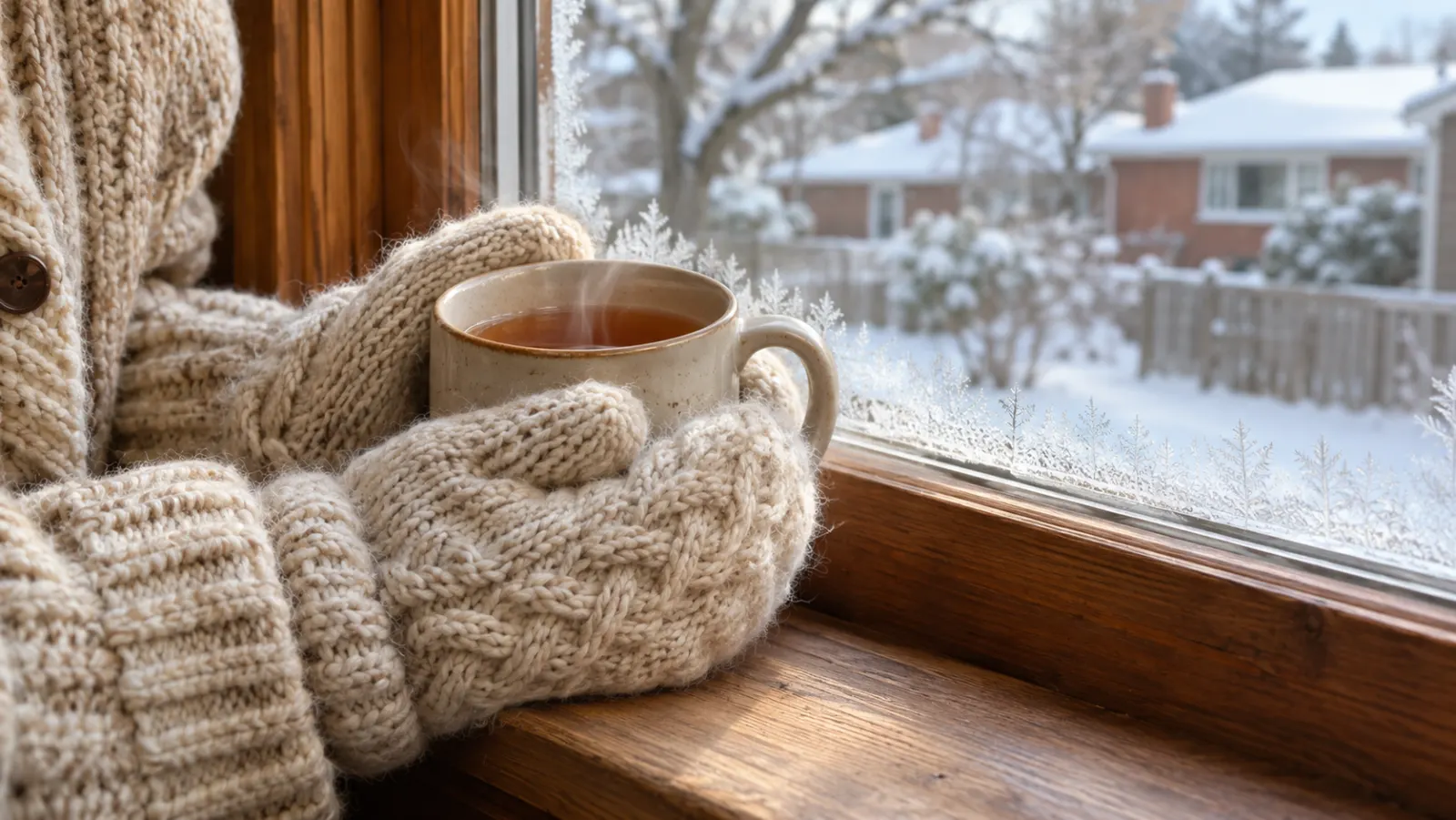
You reach into the freezer for a bag of frozen peas, or stand at the bus stop on Kennedy Road a few minutes longer than planned, and a couple of your fingers suddenly turn a startling chalky white. They go numb and clumsy, as if they belong to someone else. A few minutes later they look bluish. Then, as they warm up, they flush bright red, throb, and tingle until everything feels normal again.
If this sounds familiar, you may be experiencing Raynaud’s phenomenon. It is a common condition in which small blood vessels in the fingers and toes overreact to cold or stress, clamping down tightly and briefly cutting off blood flow. For most people it is uncomfortable and inconvenient rather than dangerous. For some, though, it is a clue to another health condition that deserves attention.
A long Ontario winter is when Raynaud’s makes itself known. This guide explains what is happening in your hands, the difference between the common harmless form and the type linked to other diseases, how to keep attacks to a minimum, and which signs mean you should see a clinician. It is written for anyone living with cold, colour-changing fingers in Scarborough, whether you have had them since your teens or only noticed them this year.
What happens during an attack
Your body controls temperature partly by adjusting blood flow to the skin. When you get cold, small arteries in the fingers and toes narrow to keep warmth in your core. In Raynaud’s, that response is exaggerated. The vessels spasm far more than they should, and blood flow to the affected digits drops sharply.
The classic colour changes
Attacks often follow a recognizable sequence, although not everyone gets every stage:
- White: the finger or toe goes pale because blood flow has dropped. There is often a clear line where the colour change begins.
- Blue: as the tissue uses up the remaining oxygen, the skin may look bluish or purplish.
- Red: when the vessels relax and blood rushes back, the skin turns red and may throb, burn, tingle, or ache.
An episode can last a few minutes or longer. It may affect one finger, several, or all of them, and it can also involve the toes and, less commonly, the nose, ears, or lips.
Common triggers
- Cold air, especially wind and sudden temperature drops
- Handling cold objects: frozen food, iced drinks, a steering wheel on a frosty morning
- Moving from a warm room into an air-conditioned or cold space
- Emotional stress or anxiety
- Smoking or vaping nicotine, which narrows blood vessels
- Some medications (more on this below)
- Repetitive use of vibrating tools
Primary versus secondary Raynaud’s
This is the distinction that matters most, because it shapes what a clinician will look for.
Primary Raynaud’s
Primary Raynaud’s happens on its own, without an underlying disease. It is the more common type and often starts between the teenage years and young adulthood. It is more frequent in women and can run in families. Attacks are usually symmetrical (affecting both hands similarly), the fingertips look normal between episodes, and painful sores do not develop. Primary Raynaud’s is a nuisance, but it rarely causes lasting harm.
Secondary Raynaud’s
Secondary Raynaud’s is linked to another condition or exposure. Possible causes include:
- Autoimmune and connective tissue diseases such as systemic sclerosis (scleroderma), lupus, rheumatoid arthritis, and Sjögren’s syndrome
- Blood vessel diseases, including narrowing of arteries from atherosclerosis
- Certain medications, such as some beta blockers, some migraine medications, stimulant medications used for ADHD, some decongestants, and certain cancer treatments
- Occupational exposure, particularly long-term use of vibrating tools like jackhammers, chainsaws, or grinders
- Nerve compression problems, such as carpal tunnel syndrome, in some people
Secondary Raynaud’s tends to start later in life, can be more severe, and is more likely to cause complications like fingertip sores.
Never stop a prescribed medication on your own because you suspect it is worsening Raynaud’s. Talk to your clinician first; there is often an alternative.
Signs your Raynaud’s might be more than “just cold hands”
Book an appointment if any of the following apply:
- Your symptoms started after about age 30, or are new this winter
- Attacks affect only one hand, or only one or two fingers consistently
- Episodes are getting more frequent, severe, or longer
- You have joint pain or swelling, unexplained rashes, or persistent fatigue
- The skin on your fingers is becoming tight, shiny, or thick
- You have trouble swallowing, heartburn that is new, or shortness of breath
- You notice dry eyes and dry mouth together
- Small red spots have appeared on your hands or face
- You have tiny sores, cracks, or pitting at the fingertips
These do not mean you definitely have another condition, but they are reasons for a proper assessment rather than simply buying thicker mittens.
Sores and wounds that need care
When blood flow is repeatedly reduced, the skin at the fingertips can break down. Small, painful ulcers may form on the tips of the fingers or around the nails, and they can be slow to heal. Infection is a risk, especially in someone who also has diabetes or a weakened immune system.
See a clinician promptly if you have:
- A sore on a fingertip or toe that is not healing
- Increasing redness, swelling, warmth, pus, or pain around a wound
- Fever along with a painful finger or toe
Do not try to pop, cut, or pick at fingertip sores. Keep them clean, covered, and warm while you arrange care. HealthSmart Medical offers minor wound care and can assess whether a sore needs further treatment.
When it is an emergency
Seek urgent care or go to the emergency department if a finger or toe stays white, blue, or black and does not rewarm, becomes severely painful, or loses feeling for a prolonged period. These can be signs of critically reduced blood flow. Cold-weather injuries such as frostbite can look similar at first, so if a digit stays hard, waxy, and numb after you are warm, do not wait to see whether it improves.
Keeping attacks to a minimum
For most people, the most effective treatment is avoiding the triggers. These habits are simple, but they make a real difference through a Canadian winter.
Warm your whole body, not just your hands
Your hands get cold partly because your body is diverting heat to your core. If your torso is cold, your fingers will suffer no matter how good your gloves are. Dress in layers, wear a warm hat, and keep your core comfortable.
- Choose mittens over gloves where you can. Fingers kept together stay warmer.
- Use glove liners under mittens for added insulation.
- Try chemical or rechargeable hand warmers in your pockets or mittens on the coldest days.
- Wear warm socks and insulated, waterproof boots for slushy Scarborough sidewalks.
- Put mittens on before you leave the house, not when your fingers are already cold.
At home and at work
- Use insulated cups for cold drinks, and wear gloves to take food out of the freezer.
- Warm your car up safely outdoors or wear gloves on a cold steering wheel.
- Keep indoor rooms comfortably warm, and avoid sudden temperature swings where possible.
- Plenty of jobs in Scarborough involve cold work: outdoor shifts, chilly warehouses, or food handling with refrigeration. If yours does, talk to your employer about warm-up breaks and appropriate gloves.
Manage stress and nicotine
Because stress can trigger attacks, some people find that relaxation techniques, regular exercise, and good sleep reduce how often episodes happen. Quitting smoking or vaping is one of the most helpful steps for blood flow in general and for Raynaud’s in particular.
How to rewarm during an attack
- Get out of the cold, or to a warmer spot, as soon as you can.
- Tuck your hands into your armpits or between your thighs.
- Run your fingers under warm, not hot, water. Numb fingers cannot judge temperature well and are easy to burn.
- Wiggle your fingers or swing your arms in gentle circles to encourage blood flow.
How a clinician assesses Raynaud’s
Diagnosis usually starts with your description of the attacks, so photos taken on your phone during an episode are very helpful. A clinician will ask about when the symptoms began, which fingers are affected, any medications, workplace exposures, and other symptoms. They will examine your hands, including the skin and nail folds, and check pulses.
If secondary Raynaud’s is a possibility, blood work requisitions may be arranged to look for signs of inflammation or autoimmune disease. Depending on the results, a specialist referral to a rheumatologist or vascular specialist may be recommended.
Treatment options
Most people with primary Raynaud’s manage well with lifestyle measures alone. When attacks are frequent, painful, or affect daily life, a clinician may suggest medication that helps relax and widen blood vessels. In secondary Raynaud’s, treating the underlying condition is also important, and sores may need specific care. Your clinician can talk through the benefits and side effects of each option for you.
Getting your cold hands checked at HealthSmart Medical
If your fingers change colour in the cold, especially if it started recently, is getting worse, or comes with other symptoms, a general medical consultation is a good place to start. HealthSmart Medical is at 2425 Eglinton Ave. East, Unit 12, and welcomes walk-in patients as well as scheduled visits.
Call 416-757-7117 or book online, and bring a list of your medications and any photos of an attack. Raynaud’s in Scarborough’s long winters is very manageable with the right habits, and a quick check can make sure nothing else is hiding behind those cold, colourful fingers.
This article is for general information and is not a substitute for medical advice. If you have severe or worsening symptoms, call 911 or go to the nearest emergency department.