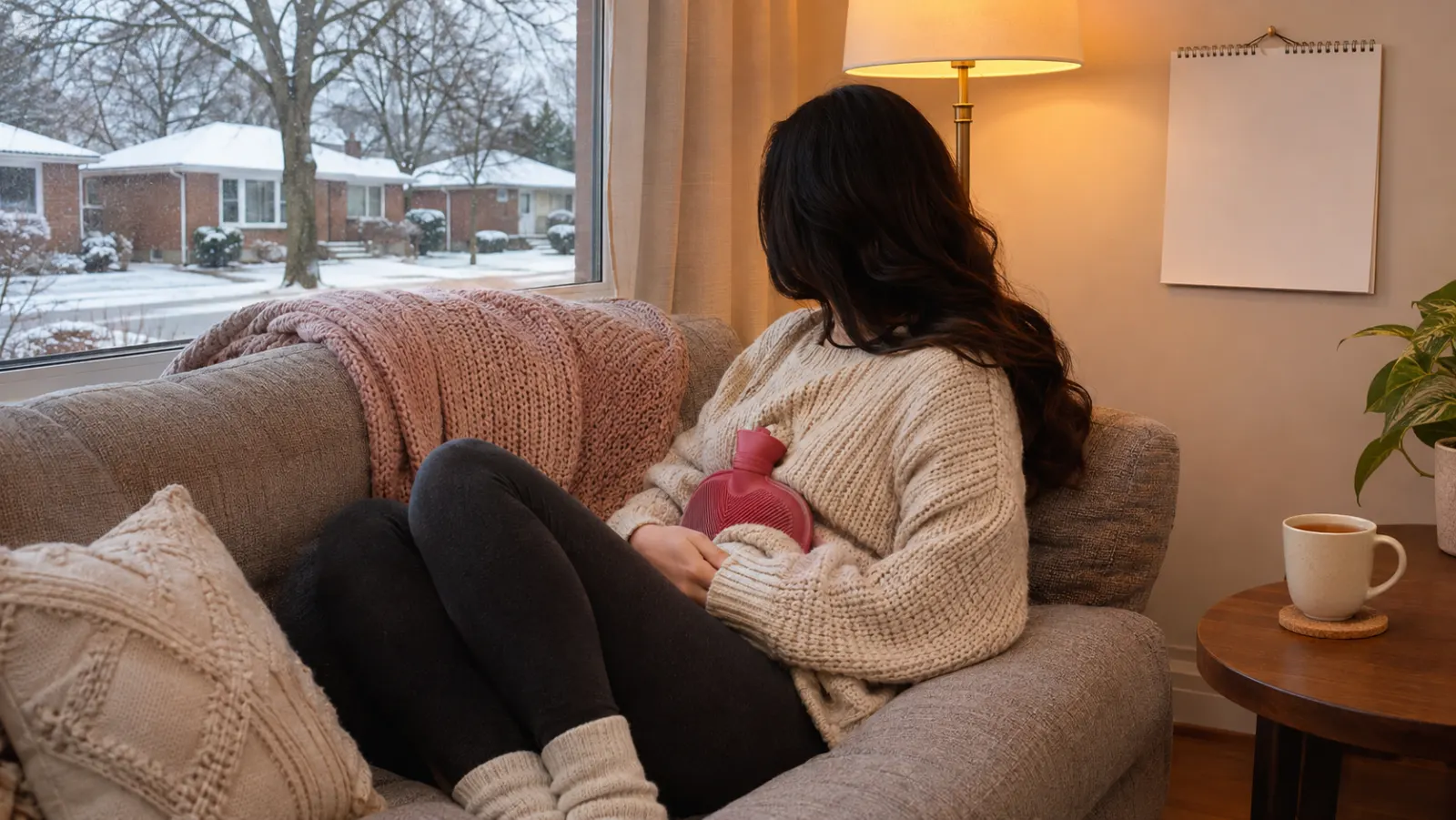
Many people grow up hearing that period pain is simply part of life. A grandmother says she suffered too. A school nurse hands over two pills and sends you back to class. A manager raises an eyebrow when you call in sick for the second month in a row. Over time, the message sinks in: this is normal, so stop complaining.
Some period pain is normal. A dull ache or cramping for a day or two that settles with a heating pad and an over-the-counter pain reliever is something most menstruating people know well. But pain that makes you vomit, keeps you in bed, wakes you at night, or no longer responds to the usual medication is a different thing. It deserves an explanation, and one of the conditions worth considering is endometriosis.
March is Endometriosis Awareness Month, which makes it a good moment to talk honestly about the difference between ordinary cramps and pain that needs a medical look. This article is general information for patients in Scarborough and their families. It cannot diagnose you, but it can help you describe what is happening and ask the right questions.
Two kinds of period pain
Clinicians often separate period pain into two broad groups.
Primary dysmenorrhea is cramping caused by the normal contractions of the uterus during a period. Chemicals called prostaglandins make the muscle squeeze, and some people produce more of them than others. It usually starts within a year or two of the first period, tends to be worst in the first day or two of bleeding, and often eases with age or after pregnancy. It can still be very uncomfortable, but there is no underlying disease.
Secondary dysmenorrhea is period pain caused by another condition in the pelvis. Endometriosis is one of the most common causes. Others include adenomyosis (where the lining tissue grows into the muscle wall of the uterus), fibroids, pelvic infections, and occasionally problems with an IUD. Secondary pain often begins later in life, gets worse over time, or comes with other symptoms.
The two can overlap, and you do not need to know which one you have before booking. What matters is noticing whether your pain fits the ordinary pattern or not.
What endometriosis actually is
Endometriosis happens when tissue similar to the lining of the uterus grows outside the uterus. It is most often found on the ovaries, the outer surface of the uterus, the tissue lining the pelvis, and sometimes the bowel or bladder. This tissue responds to monthly hormone changes, which can lead to inflammation, pain, and scar tissue (adhesions) that can bind organs together.
Nobody knows exactly why it develops. It tends to run in families, so a mother, sister, or aunt with endometriosis is a useful piece of history to mention. It is a long-term condition, and it is not caused by anything you did or did not do.
One confusing feature is that the amount of endometriosis does not always match the amount of pain. Someone with small patches may have severe symptoms, while someone with more extensive disease may have very few. That is part of why it is so often missed.
Signs your pain may be more than ordinary cramps
No single symptom proves endometriosis, but certain patterns should prompt a conversation with a clinician:
- Period pain that stops you from going to school, work, or family events
- Pain that is getting worse year after year, rather than staying the same or improving
- Pain that starts several days before bleeding or lasts after the period ends
- Over-the-counter pain relievers no longer helping, even at the dose on the package
- Deep pain during or after sex
- Pain with bowel movements or with peeing, especially during your period
- Ongoing pelvic or lower back pain between periods
- Bloating that is much worse around your period
- Heavy bleeding, or spotting between periods
- Difficulty getting pregnant
Fatigue is also very common, and it is often overlooked. Living with monthly pain is tiring, and heavy periods can cause low iron, which adds to the exhaustion.
A note for parents of teens
Endometriosis can start in the teenage years. A teen who regularly misses school because of period pain, faints or vomits with cramps, or has started to dread her period should not be told to toughen up. In many Scarborough households, periods are not discussed openly across generations, and young people may hide how bad things are. Asking quietly, without judgment, can make a big difference. Our adolescent healthcare visits allow teens to speak privately with a clinician if they prefer.
Why diagnosis takes so long
People with endometriosis often describe years of being told their pain was normal, that they had a low pain threshold, or that it was stress. There are several reasons for the delay:
- Normalization. Families, schools, and even clinicians may assume severe cramps are just part of having periods.
- Overlapping symptoms. Bowel and bladder symptoms can look like irritable bowel syndrome or urinary tract infections, so the pelvic cause is not considered.
- Tests that look normal. Blood work and many ultrasounds can be completely normal in endometriosis, especially when the patches are small.
- Reluctance to speak up. Cultural taboos, embarrassment about painful sex, or language barriers can make it hard to describe symptoms in detail, particularly for newcomers navigating a new health system.
None of this means you need to fight for care. It does mean that a clear description of your symptoms helps a great deal, which is where a symptom diary comes in.
Track it before your appointment
Two or three months of notes can turn a vague complaint into a clear picture. You can use a phone app, a calendar, or a notebook. Try to record:
- The days you bleed and how heavy the flow is (for example, how often you change pads or tampons, or whether you bleed through at night)
- Pain on each day, rated from 0 to 10, and where it is
- What you took for pain, how much, and whether it helped
- Days missed from school, work, or activities
- Pain with sex, bowel movements, or peeing
- Any other symptoms, such as bloating, nausea, or fatigue
Bring this to your visit along with a list of medications and the date of your last period. If English is not your first language, it is fine to bring a trusted family member or friend to help, or to ask about interpretation options when you book.
What a visit might involve
Every assessment is individual, but a clinician looking into painful periods will usually start with a detailed conversation about your symptoms, your cycle, your sexual and pregnancy history, and your family history. From there, the next steps may include:
A physical exam
A pelvic exam can sometimes find tenderness, nodules, or a fixed uterus, though it is often normal. It is always your choice, and you can ask for a chaperone or to stop at any time. If you are a teen or have never had a pelvic exam, the clinician may not need one at the first visit.
Tests to rule out other causes
Depending on your symptoms, this might include a pregnancy test, swabs for infections such as chlamydia and gonorrhea, a urine test, and blood work to check for anemia if your periods are heavy.
Imaging
A pelvic ultrasound, often including a transvaginal scan, can show ovarian cysts linked to endometriosis (sometimes called endometriomas), fibroids, or signs of adenomyosis. HealthSmart Medical does not do imaging on site, but we arrange diagnostic imaging referrals to local facilities. A normal ultrasound does not rule out endometriosis.
Referral to a gynecologist
The only way to confirm endometriosis definitively is through surgery, usually a laparoscopy, where a surgeon looks inside the pelvis through small incisions and may remove or sample the tissue. Increasingly, though, clinicians make a working diagnosis based on symptoms and start treatment without waiting for surgery. If your pain is severe, not improving with first-line treatment, affecting fertility, or imaging shows something of concern, a specialist referral to a gynecologist is the next step.
Treatment options in general terms
There is no one-size-fits-all approach. The goals are to control pain, protect your quality of life, and support future fertility plans if you have them. Treatment often combines several of the following.
Pain relief
Anti-inflammatory medications such as ibuprofen or naproxen work by lowering prostaglandins, and they tend to work best when started at the very first sign of a period, or even a day before if your cycle is predictable. They are not safe for everyone, especially people with certain stomach, kidney, or heart conditions, or those on blood thinners, so check with a clinician or pharmacist if you are unsure.
Hormonal treatment
Many hormonal methods also used as contraception can reduce or stop periods, which often eases pain. These include combined pills taken continuously, progestin-only pills, the hormonal IUD, and others. Your clinician can talk through which may suit your health history, and a birth control consultation is often a natural starting point even if pregnancy prevention is not your main goal. Specialists may also consider other hormone-based medications for more stubborn symptoms.
Surgery
For some people, a gynecologist will recommend laparoscopic surgery to remove endometriosis patches, cysts, or scar tissue. Surgery can help pain and, in some cases, fertility, but symptoms can return over time. It is a decision made with a specialist after weighing the benefits and risks.
Supportive care
Heat on the lower belly or back, gentle movement, regular sleep, and pelvic physiotherapy can all help some people, especially when pain has led to tight pelvic floor muscles. Ongoing pain can also affect mood and relationships. If you are feeling low, anxious, or isolated, that is worth raising at your appointment too.
Endometriosis and fertility
Many people with endometriosis conceive without any help. However, the condition is more common in people who have difficulty getting pregnant, and scar tissue or cysts can sometimes affect the ovaries and tubes. If you have endometriosis or suspected endometriosis and you are hoping to get pregnant, it is reasonable to talk to a clinician earlier rather than later, so that any referral can be planned with your age and timeline in mind.
When pelvic pain is an emergency
Most period pain is not dangerous, but some symptoms need urgent attention. Call 911 or go to the nearest emergency department if you have:
- Sudden, severe pelvic or abdominal pain, especially on one side
- Pelvic pain with a positive pregnancy test or a missed period, or with shoulder-tip pain, dizziness, or fainting (these can be signs of an ectopic pregnancy)
- Very heavy bleeding, such as soaking through a pad every hour for a couple of hours, or feeling faint or short of breath
- Pain with high fever, vomiting, or a rigid, very tender belly
If you are unsure whether something is urgent, Health811 offers free advice from a registered nurse, any time of day.
Talk to us about period pain in Scarborough
You do not have to wait until pain takes over your life to ask about it. If your cramps are keeping you home, getting worse, or coming with other symptoms, HealthSmart Medical can help you start the process: a careful history, the right tests, and a referral when it is needed. Our women’s health care is available to patients in Scarborough of all ages, from teens to people approaching menopause.
Visit us at 2425 Eglinton Ave. East, Unit 12, call 416-757-7117, or book online. Bring your symptom diary if you have one, and bring your questions. Pain that disrupts your life is a real medical concern, and you deserve to be taken seriously.
This article is for general information and is not a substitute for medical advice. If you have severe or worsening symptoms, call 911 or go to the nearest emergency department.