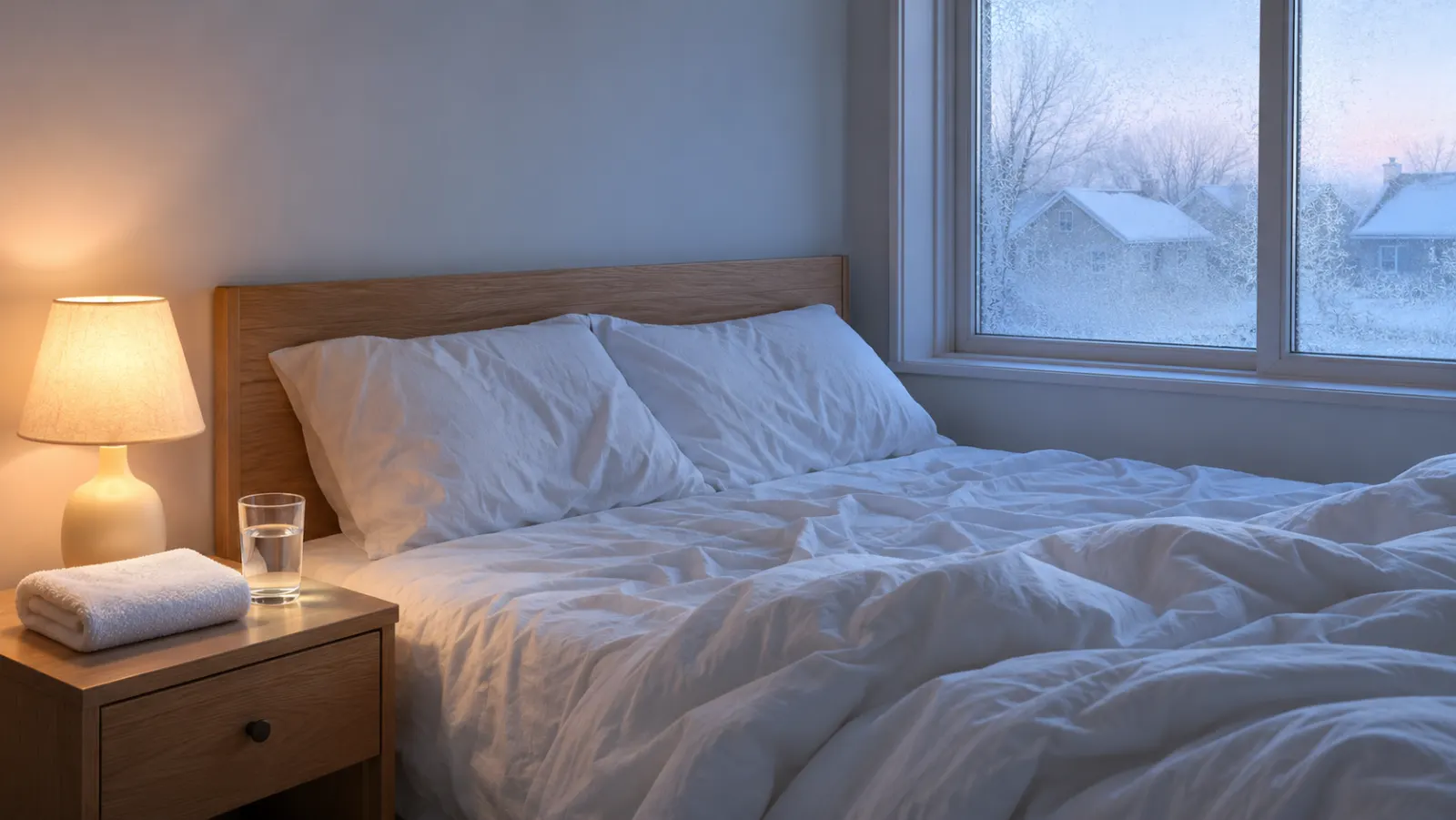
It is the middle of February. The furnace is running, the windows have frost on the corners, and yet you wake at three in the morning with your pyjamas stuck to your back and the pillow damp under your head. You change your shirt, flip the pillow, and try to get back to sleep, wondering whether this is normal.
Sweating at night is common, and much of the time the cause is simple: a room that is too warm, too many blankets, a heavy dinner, or a glass of wine before bed. But true night sweats, the kind that soak your clothes or sheets and happen again and again, are a symptom worth paying attention to. They can be linked to hormone changes, medications, infections, anxiety, and, less often, more serious illnesses.
This article walks through the most common reasons people in Scarborough wake up drenched, what details help a clinician narrow things down, and which combinations of symptoms mean you should be seen promptly. It is general information to help you understand your symptoms, not a substitute for an assessment.
Feeling warm versus true night sweats
Before looking at causes, it helps to define what clinicians mean by night sweats.
Feeling a bit warm and kicking off the duvet is not usually a concern. Neither is waking slightly damp after a hot shower or in an overheated room. True night sweats are episodes of heavy sweating during sleep that are bad enough to soak your nightclothes or bedding, often enough that you need to change them, and they happen even when the room is a reasonable temperature.
A simple test is to change the conditions. Lower the thermostat a degree or two, swap the heavy comforter for a lighter blanket, and wear breathable cotton. If the sweating stops, the environment was likely the cause. If you are still waking soaked in a cool room under a light sheet, it is time to look further.
Common and usually harmless causes
Your bedroom and bedding
Ontario homes in winter can be surprisingly warm at night, especially in apartments where heat is controlled by the building. Flannel sheets, memory foam mattresses that trap heat, and sleeping close to a partner all add up. These causes are easy to fix and should be considered first.
Alcohol, spicy food, and late meals
Alcohol widens blood vessels and disrupts sleep, both of which can trigger sweating. Spicy foods and large meals eaten close to bedtime can do the same. If your night sweats tend to follow certain evenings, a food and drink diary can reveal the pattern.
Fever from a passing infection
Colds, flu, COVID-19, and other viral illnesses often cause fevers that break overnight, leaving you soaked. These episodes usually come with other symptoms, such as a sore throat, cough, or body aches, and they settle as you recover. In late winter, when respiratory viruses are circulating widely across the city, this is one of the most common reasons for a few nights of sweating.
Hormonal causes
Perimenopause and menopause
Hot flashes that happen at night are called night sweats, and they are one of the hallmark symptoms of perimenopause and menopause. They tend to come on suddenly, often with a rush of heat across the chest, neck, and face, followed by sweating and sometimes chills. They can wake you repeatedly and leave you exhausted the next day.
Many people are surprised that these symptoms can start in their early to mid-40s, while periods are still coming, if irregularly. If you are in this age range and your night sweats come with changes in your cycle, mood, or sleep, hormones are a likely explanation. Our menopause management service covers treatment options in more detail, from lifestyle measures to hormone therapy and non-hormonal medications.
Thyroid problems
An overactive thyroid speeds up the body’s metabolism. That can cause sweating, heat intolerance, a fast or pounding heartbeat, weight loss despite a normal appetite, shakiness, and anxiety. A simple blood test can check thyroid function.
Low blood sugar
People with diabetes who take insulin or certain oral medications can have low blood sugar overnight, which can cause sweating, nightmares, and waking with a headache or feeling confused. If you have diabetes and are waking sweaty, check your blood sugar when it happens and let your clinician know, since your medication may need adjusting.
Other hormone changes
Pregnancy, the weeks after giving birth, and treatments that lower sex hormones (for example, some treatments for prostate or breast cancer) can also cause night sweats. Low testosterone in men can occasionally do the same.
Medications that can cause sweating
Many common medications list sweating as a side effect. If your night sweats started after a new prescription or a dose change, mention it. Medications that can be involved include:
- Some antidepressants, especially certain SSRIs and SNRIs
- Diabetes medications that can lower blood sugar
- Some medications for blood pressure or heart conditions
- Steroids such as prednisone
- Fever reducers like acetaminophen or ibuprofen, which can cause sweating as a fever breaks
- Hormone treatments
- Some medications for pain or nausea
Do not stop a prescribed medication on your own because of sweating. Some medications need to be tapered, and stopping abruptly can cause other problems. Instead, bring a complete list of everything you take, including supplements and over-the-counter products, and ask whether any of them could be responsible.
Anxiety, stress, and sleep disorders
Anxiety can cause sweating during the day and at night. Some people wake suddenly with a racing heart, sweating, and a feeling of panic, which may be a nocturnal panic attack. Ongoing stress, whether from work, money, caregiving, or settling into a new country, can disrupt sleep in ways that make sweating episodes more noticeable.
Obstructive sleep apnea, where breathing repeatedly stops and starts during sleep, is another often-missed cause. Clues include loud snoring, a partner noticing pauses in your breathing, waking with a dry mouth or headache, and feeling unrefreshed despite a full night in bed. Sleep apnea is worth identifying because it also affects blood pressure and heart health.
Acid reflux at night can sometimes trigger sweating as well, along with coughing or a sour taste.
Infections that need attention
Some infections cause night sweats that last for weeks rather than days. These are less common, but they are important to recognize.
Tuberculosis
Tuberculosis (TB) is a bacterial infection that usually affects the lungs. It is not common in Canada overall, but it is more common in many other parts of the world, including parts of South Asia, East and Southeast Asia, Africa, and Latin America. Scarborough is home to many families who have moved from or regularly travel to these regions, so TB is a cause clinicians in Scarborough keep in mind.
Symptoms of active TB can include:
- Night sweats, often drenching and recurring
- A cough lasting more than two or three weeks, sometimes with blood
- Fever, often in the evening
- Unexplained weight loss
- Fatigue and loss of appetite
TB can also stay inactive in the body for years after exposure and become active later, sometimes long after someone has moved to Canada. If you have night sweats along with any of these symptoms, and you were born in, lived in, or recently travelled to a region where TB is more common, or you have been in close contact with someone with TB, tell your clinician. Testing is available and treatment is effective.
Other infections
Other infections that can cause persistent night sweats include certain bacterial infections, infections of the heart valves, abscesses, HIV, and some infections picked up during travel, such as malaria. If you develop a fever or night sweats after returning from a trip, especially to a region where malaria is present, seek care promptly and mention exactly where you travelled.
Less common but serious causes
In a small number of people, night sweats are a sign of a blood cancer such as lymphoma or leukemia, or of another cancer or inflammatory condition. This is not the most likely explanation, and most people with night sweats do not have cancer. But the following combination of symptoms, sometimes called “B symptoms,” is a reason to be assessed soon:
- Drenching night sweats
- Unexplained fever
- Losing weight without trying
Other features that deserve attention include swollen lymph nodes in the neck, armpits, or groin that do not go away, persistent itching without a rash, and ongoing exhaustion.
When to book an appointment
Make an appointment with a clinician if:
- Your night sweats happen regularly and are not explained by your room, bedding, or a short illness
- They have lasted more than a couple of weeks
- They come with fever, weight loss, a persistent cough, or swollen glands
- You have been exposed to TB, have lived in or travelled to a region where TB or malaria is more common, or have a weakened immune system
- They started after a new medication
- They are disrupting your sleep and daily life
Go to the emergency department or call 911 if night sweats come with severe shortness of breath, chest pain, confusion, a stiff neck with high fever, or you feel very unwell. If you are unsure, Health811 can give you advice from a registered nurse at any hour.
What a visit for night sweats might include
Your clinician will start with questions. It helps to think about the answers beforehand:
- When did the sweats start, and how often do they happen?
- How heavy are they? Do you need to change clothes or sheets?
- Do you have fever, chills, cough, weight change, or other symptoms?
- Where were you born, and where have you travelled in the past year or two?
- Have you been around anyone with a long-lasting cough or a TB diagnosis?
- What medications, supplements, and substances do you use?
- For women, what are your periods like, and have they changed?
Recording your temperature when you wake up sweating, and noting your weight once a week, can give useful information. A physical exam often includes checking the lymph nodes, throat, chest, and abdomen.
Depending on what the history and exam suggest, your clinician may order blood work such as a complete blood count, thyroid tests, blood sugar, and markers of inflammation. A chest X-ray, TB testing, or other investigations may be arranged through diagnostic imaging referrals or other services. If fever is part of the picture, our fever assessment page explains how we approach it.
Small changes that may help in the meantime
While you are waiting for an appointment, or if the cause turns out to be hormonal or environmental, a few practical steps can make nights more comfortable:
- Keep the bedroom cool and use layered bedding you can easily remove
- Choose light, breathable pyjamas made of cotton or moisture-wicking fabric
- Keep a glass of cool water and a spare shirt by the bed
- Limit alcohol and spicy food in the evening
- Try to keep a regular sleep routine
- Practise relaxation or breathing exercises if stress or anxiety is part of the picture
Get your night sweats checked in Scarborough
Most night sweats have a manageable explanation, and finding it can give you back a full night of sleep. If yours are frequent, heavy, or coming with other symptoms, HealthSmart Medical can help you get to the bottom of it. Visit us at 2425 Eglinton Ave. East, Unit 12, call 416-757-7117, or book online. Bring your medication list, your travel history, and any notes you have kept, and we will work out the next step together.
This article is for general information and is not a substitute for medical advice. If you have severe or worsening symptoms, call 911 or go to the nearest emergency department.