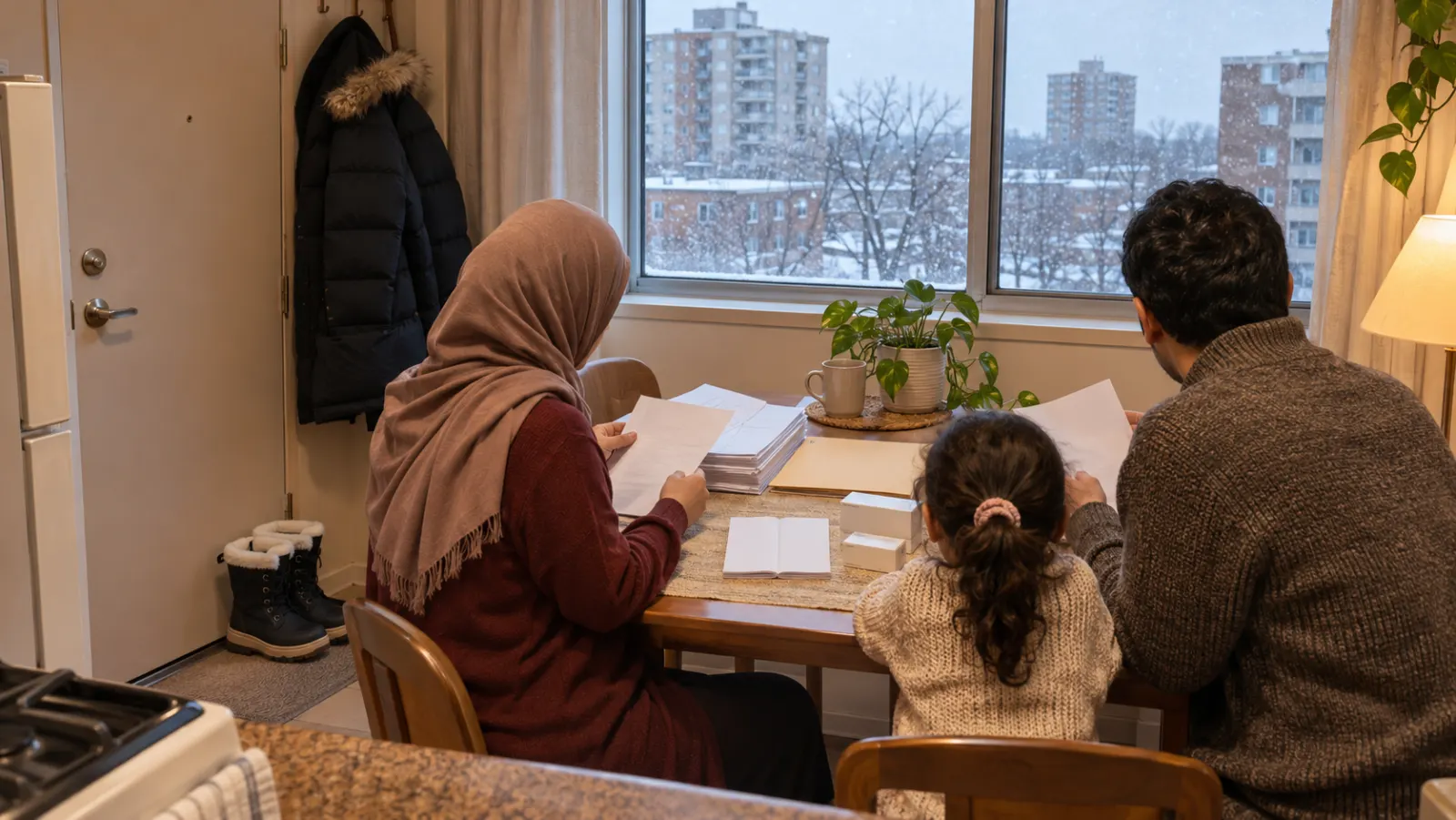
The first weeks in a new country are a blur of lists. Find an apartment, open a bank account, get a SIN, sort out school for the children, buy winter boots before the first real snowfall. Health care tends to sit somewhere near the bottom of that list until someone gets a fever, runs out of a blood pressure pill, or needs a form signed for school or work. Then it jumps straight to the top.
Scarborough is home to people from almost every corner of the world, and many families here remember exactly what those early months felt like. The Ontario health system works differently from many others. Some things that were simple back home, like walking into a pharmacy for a prescription refill, need a few extra steps here. Others, like seeing a doctor without paying at the visit once you are covered, may be pleasantly easier.
This guide focuses on the practical first months after arrival: getting coverage started, getting care before it begins, bringing the right paperwork, and knowing where to go for what. It is general information, and rules change, so always check the details that apply to your own situation.
OHIP in plain terms
The Ontario Health Insurance Plan, or OHIP, is the provincial program that pays for medically necessary doctor visits, hospital care and many tests for eligible residents. When you have OHIP, you show your health card at a clinic or hospital and, for insured services, you do not pay at the visit.
Who may be eligible
Eligibility depends on your immigration status and on whether you are making Ontario your permanent home. Generally, permanent residents, Canadian citizens and some people holding certain work permits or other statuses may qualify, provided they live in Ontario and meet the physical presence requirements. Some groups, such as visitors and many international students, are usually not eligible and need other insurance.
The rules, including whether there is any waiting period before coverage begins, have changed over the years. Confirm the current rules for your status directly with ServiceOntario before you assume you are covered or not covered.
Applying
Applications are made in person at a ServiceOntario centre, and there are several locations within reach of Scarborough. You will typically need original documents showing:
- Your citizenship or immigration status, such as a permanent resident card or confirmation of permanent residence
- Proof that you live in Ontario, such as a lease, a utility bill or a bank statement with your address
- Proof of identity with your name and signature
Each family member, including babies and children, needs their own application and their own health card. ServiceOntario can tell you exactly which documents they will accept, and it is worth checking their list before you go so you do not need a second trip.
Once you have the card
Keep your health card somewhere safe and bring it to every visit. Do not lend it to anyone; health cards are personal. Let ServiceOntario know when you move, because an address change matters for renewals and for receiving mail about screening programs.
Getting care before coverage starts
Many newcomers have a gap, sometimes short, sometimes longer, between arriving and having OHIP in hand. Illness does not wait for paperwork, so plan for this period.
Private insurance
If there is any chance you will not be covered right away, buying private health insurance before or immediately after you arrive is strongly recommended. Some policies must be purchased within a short window after arrival, so do not delay. Read what is included: emergency care, hospital stays and prescriptions are the expensive parts.
Interim Federal Health Program
Refugees, refugee claimants and some other protected persons may be covered by the Interim Federal Health Program, which is run by the federal government rather than Ontario. It has its own rules and paperwork. If this applies to you, ask your settlement worker or caseworker for details, and bring your coverage document to every appointment.
If you are uninsured
You can still get care. Clinics may charge for visits without OHIP, so call ahead and ask about fees before you come. Community health centres in Toronto serve people without coverage in some situations, and settlement agencies can help connect you. In an emergency, go to the hospital or call 911 regardless of your insurance status. Do not let worry about cost stop you from getting help for chest pain, trouble breathing, signs of stroke, severe bleeding or a very sick child.
Bring your health history with you
Your medical records from home can save you weeks of repeated tests and a lot of guesswork. If you have not left yet, or if family back home can send things, gather:
- Vaccine records for every family member, especially children. Ontario schools require proof of certain vaccines, and missing records can lead to suspension letters from public health.
- A list of diagnoses, such as diabetes, high blood pressure, asthma, thyroid problems, hepatitis B or tuberculosis treatment
- Current medications, with the generic names and doses, not only brand names, which often differ between countries
- Recent test results, such as blood work, imaging reports, ECGs and specialist letters
- Surgical and hospital history
- Allergies, especially to medications
- Pregnancy and birth records, and paediatric growth records for young children
Translations help, but even untranslated records are useful because many results are numbers and drug names are often recognisable. Photos on your phone are better than nothing.
Medication supply
If you take regular medication, bring enough to last until you can see a clinician here, and the original packaging if possible. Some drugs available over the counter elsewhere need a prescription in Canada, and some brands do not exist here, so an equivalent may need to be found. Do not run out and then try to stretch your supply. Book a visit well before your last few pills.
Vaccines and catch-up shots
Immunization schedules differ around the world. A child who is fully vaccinated by one country’s standards may still need a few doses to match Ontario’s schedule. Adults may also be due for boosters such as tetanus and diphtheria, or vaccines they never received.
Bring every vaccine record you have to your first visit. A clinician can compare it with the Ontario schedule and create a plan for any catch-up immunizations. If records are lost, sometimes blood tests can check immunity to certain infections, or it may simply be safer to give the missing doses.
Arriving in late autumn means landing right in respiratory virus season. Ask about the seasonal vaccines currently recommended for your family, along with your routine catch-up shots.
Your first checkup
Once coverage is in place, a general checkup is a good idea for each family member, even if everyone feels well. A first visit is a chance to:
- Review medical history and medications
- Update vaccines
- Check blood pressure and weight, and arrange blood work if appropriate
- Discuss screening for conditions that may have been more common where you lived before, such as hepatitis B, tuberculosis exposure or certain parasites, depending on your history
- Talk about any long-term conditions and set up follow-up
- Ask questions about how the system works
Bring your health card, your records, your medications and a list of questions. If your first priority is simply getting established, our general medical consultations are a good starting point.
Where to go for what
Learning the “map” of Ontario health care takes time. Here is a rough guide:
- Pharmacists can advise on minor ailments, and in Ontario can prescribe for some common conditions. They are also a great source of information about medications.
- Health811 is a free, confidential phone and online service where you can speak with a registered nurse at any hour. Interpretation in many languages is often available.
- Walk-in clinics handle new illnesses and minor problems when you do not have a family doctor or cannot get a quick appointment. HealthSmart Medical’s walk-in clinic is on Eglinton Avenue East.
- Family doctors provide ongoing care, prevention, referrals and management of chronic conditions. Finding one can take time; our family doctor page explains how we approach longer-term care.
- Emergency departments are for serious or life-threatening problems. Call 911 for an ambulance in an emergency.
Specialists in Ontario are usually seen by referral from a family doctor or walk-in clinician, not by booking directly.
Language and cultural support
Speaking about your health in a second or third language is hard, especially when you are anxious. You have the right to understand your care.
- Ask whether interpretation is available, and request it early when booking.
- If a family member interprets, think carefully about privacy, especially for sensitive topics. Children should not be asked to interpret for parents in medical visits whenever possible.
- Write down your symptoms beforehand, in your own language if that helps, and ask the clinician to write down key instructions.
- Ask the pharmacist to explain medication instructions, and whether labels or leaflets are available in your language.
- Tell your clinician about traditional remedies, fasting practices or dietary needs, so advice can fit your life.
Settlement agencies across Scarborough can also help with forms, interpreters and navigating appointments.
Mental health counts too
Moving countries is a huge change, even when it is a happy one. Loneliness, worry about family left behind, job stress, the shock of a first Canadian winter, and for some people, past trauma, can all affect sleep, mood and physical health. Feeling low or overwhelmed is common and nothing to be ashamed of. Mention it at any visit; it is part of health care here.
Settling in with HealthSmart Medical in Scarborough
The first months in a new country are full of firsts, and your first Canadian health card, checkup and school vaccine form are among them. Newcomers in Scarborough do not have to work it all out alone. Start with coverage, bring your records, keep enough medication on hand, and know where to turn when someone gets sick.
HealthSmart Medical welcomes newcomers for walk-in visits and family medicine at 2425 Eglinton Ave. East, Unit 12, in Scarborough. If you do not yet have OHIP, call 416-757-7117 before your visit to ask about fees. When you are ready, book online and bring your health card, your medication list and every record you have.
This article is for general information and is not a substitute for medical advice. If you have severe or worsening symptoms, call 911 or go to the nearest emergency department.