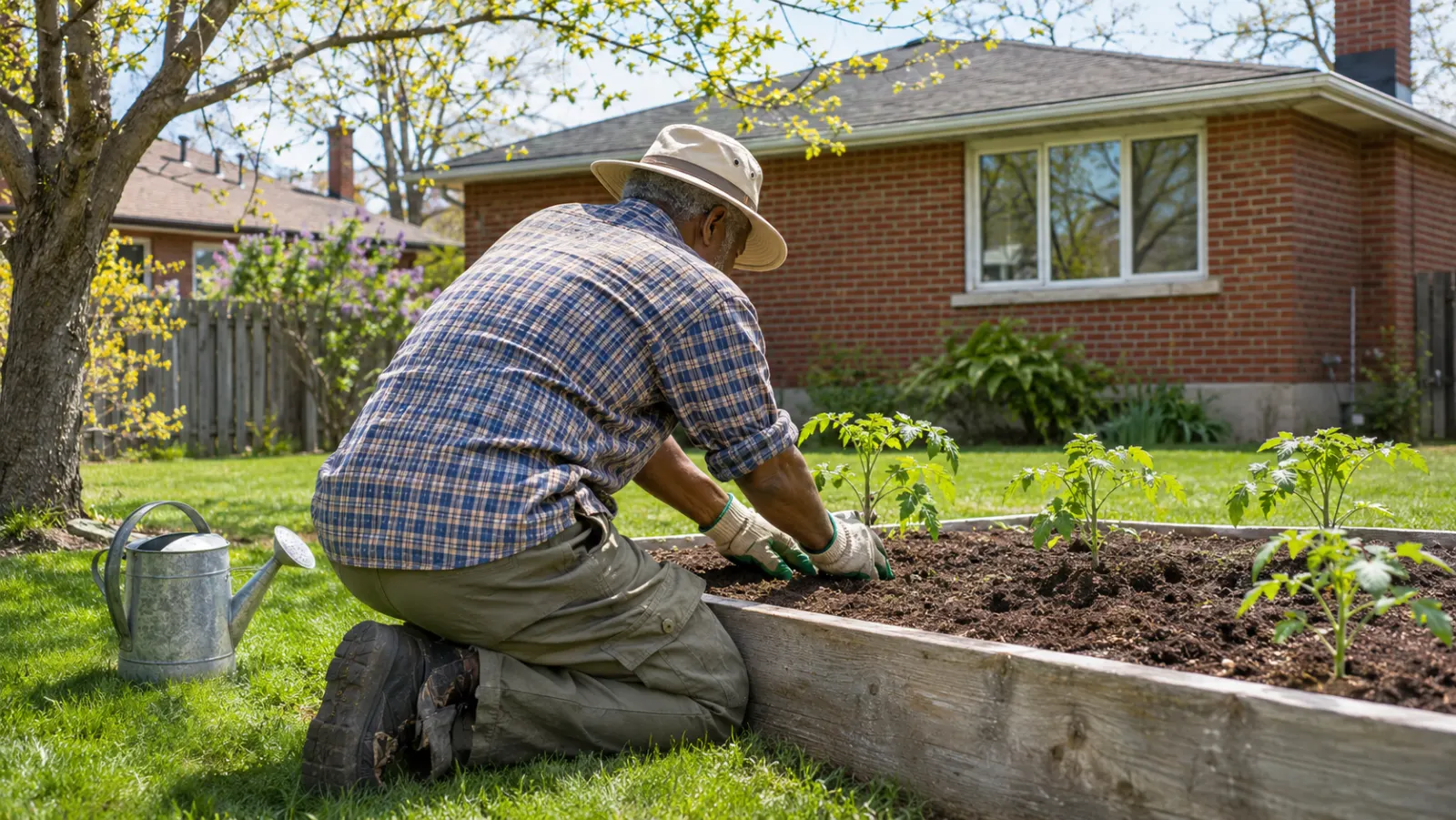
Ask older adults what they want most from the years ahead, and the answer is rarely “to live to a hundred.” It is usually something more specific. To keep driving to the plaza on their own. To carry groceries up the stairs. To cook their own food the way they like it. To travel back home for a wedding. To stay in the house they have lived in for decades, near the ravine, with the garden they planted.
That goal has a name in health care: independence, or “aging in place.” And while some of what happens as we age is out of our control, a great deal is not. The choices people make in their fifties, sixties, and seventies, and the health care they seek along the way, have a real effect on how many of those everyday freedoms they keep.
This article focuses on the big building blocks: muscle, food, protection from infections, the senses, medications, and planning ahead. It is not a list of rules. Think of it as a menu, and pick the pieces that fit your life. If you are an adult child reading on behalf of a parent, many of these steps are things you can do together.
Muscle is the currency of independence
Most people expect their hair to turn grey. Fewer realize that, without effort, the body also slowly loses muscle with age, and that the loss tends to speed up later in life. This loss of muscle and strength is a major reason why people eventually struggle to get out of a chair, climb stairs, or carry a bag of rice from the car.
The encouraging part is that muscle responds to use at any age. People in their seventies, eighties, and even nineties can build strength with regular, appropriate exercise.
What to aim for
Canadian activity guidelines for older adults generally recommend a mix of:
- Aerobic activity that gets you breathing a little harder, such as brisk walking, cycling, swimming, or dancing, spread across the week
- Strength training for the major muscle groups at least a couple of times a week
- Balance exercises, especially for people who feel unsteady
- Less time sitting, by breaking up long periods in front of the television
You do not need a gym membership. Practical strength exercises include:
- Standing up from a sturdy chair and sitting down slowly, several times in a row
- Wall push-ups
- Heel raises while holding the kitchen counter
- Carrying grocery bags with good posture
- Climbing stairs with a hand on the rail
- Gardening, which mixes lifting, squatting, and carrying
Now that spring has finally arrived in Scarborough, it is a natural time to get outside. Neighbourhood walks, park trails, and gardening are all easier when the sidewalks are clear and the days are long. If you have heart disease, joint problems, or another chronic condition, or if you have been very inactive, check with your clinician before starting something new. Begin gently and build up over weeks rather than days.
Eating for strength, not just for weight
Nutrition needs shift with age. Many older adults need fewer calories than they used to, but just as much, or more, of certain nutrients.
Protein matters more than people think
Muscle needs protein to rebuild. Older adults often eat less of it, especially if they live alone, have a smaller appetite, or find meat harder to chew. Spreading protein across all meals, rather than saving it for dinner, can help. Good sources include:
- Lentils, chickpeas, beans, and dal
- Eggs
- Fish and poultry
- Yogurt, milk, paneer, and cheese
- Tofu and soy products
- Nuts, seeds, and nut butters
Many of the traditional dishes found in Scarborough households, from dal and rice to fish curries to congee with egg, can be strong sources of protein with only small adjustments.
Other things to watch
- Fluids. The sense of thirst weakens with age, which can lead to dehydration, constipation, confusion, and dizziness. Keep water within easy reach.
- Fibre. Whole grains, vegetables, fruit, and legumes help digestion.
- Calcium and vitamin D for bones. Your clinician can advise whether you need supplements.
- Vitamin B12. Absorption can decrease with age and with certain medications. A blood test can check your level if there are concerns.
- Salt and sugar, especially if you have high blood pressure or diabetes.
When appetite fades
Unplanned weight loss in an older adult is worth mentioning to a doctor. Possible causes include dental problems, depression, loneliness, medication side effects, swallowing problems, and medical conditions that need attention. Eating with others, keeping easy nutritious snacks on hand, and making cooking simpler can all help.
Protecting yourself from infections
Infections that a younger person shakes off in a few days can hit older adults much harder. A bad bout of flu or pneumonia can lead to a hospital stay, and some people never fully regain the strength they lost. Vaccines are one of the simplest tools for staying independent.
Vaccines commonly discussed with older adults include:
- Influenza, every fall
- COVID-19, as currently recommended
- Pneumococcal vaccine, which helps protect against some types of pneumonia and serious infections
- Shingles vaccine
- RSV vaccine, for some older adults
- Tetanus and diphtheria boosters, and pertussis protection when appropriate
Eligibility and public funding in Ontario vary by age, health conditions, and the year, so ask your clinician which ones you are due for. HealthSmart Medical offers adult vaccinations, and bringing any vaccination records you have, including ones from another country, helps your doctor fill in the gaps.
Good handwashing, staying home when sick, and keeping chronic conditions well managed also lower the risk of serious infection.
Keeping your senses sharp
Seeing and hearing well are tied to independence in ways people often underestimate. They affect driving, reading medication labels, following conversations, and staying socially active. Arrange regular eye exams with an optometrist, and do not ignore hearing changes; both deserve attention at the first sign of trouble. Dental health matters too, since sore teeth or poorly fitting dentures can quietly shrink a person’s diet.
Medications: fewer surprises, fewer side effects
Many older adults take several medications prescribed by different doctors over the years. Keeping one up-to-date list, using a single pharmacy where possible, and asking your clinician or pharmacist to look over everything once in a while can catch interactions and medications that are no longer needed. Never stop a prescription on your own.
Keep chronic conditions under control
High blood pressure, diabetes, high cholesterol, kidney disease, and heart disease are common in later life, and they tend to cause harm slowly and silently. Keeping them well managed is one of the strongest protections against stroke, heart attack, kidney failure, vision loss, and dementia.
That usually means:
- Regular check-ins with your clinician, and keeping up with blood work as requested
- Taking medications as prescribed
- Checking blood pressure or blood sugar at home if your doctor recommends it
- Bringing your readings and questions to appointments
Ongoing chronic disease management with a consistent clinician makes it easier to spot changes early.
Mind and mood
Keeping the brain active is part of healthy aging. Activities that combine thinking, social contact, and movement seem to be particularly worthwhile: learning a new skill, joining a class, volunteering, playing cards or board games with friends, or teaching grandchildren a language or a recipe.
Mood is just as important. Depression is not a normal part of aging, though it is common and often missed in older adults. Persistent sadness, loss of interest, poor sleep, or changes in appetite deserve a conversation with a doctor.
Sleep tends to change with age, too, often becoming lighter and more broken. Regular routines, daylight exposure, and limiting caffeine and alcohol help. Loud snoring with pauses in breathing, or severe daytime sleepiness, should be checked.
Planning ahead: the conversation most families put off
Planning for the future is not about expecting the worst. It is about making sure that, if a health crisis does happen, your wishes are known and the people around you are not left guessing.
Choose your substitute decision-maker
In Ontario, if you become unable to make your own health care decisions, a substitute decision-maker will make them for you. The law sets out who that is by default, usually a close family member, but you can choose someone yourself by preparing a Power of Attorney for Personal Care. A separate Power of Attorney for Property covers financial matters. A lawyer can help you prepare these documents and explain the options.
Talk about your values
Advance care planning means talking with your family and your clinicians about what matters most to you: the kind of care you would or would not want, where you would prefer to be cared for, and what quality of life means to you. These conversations are worth having while you are well, and revisiting as things change. Many families in Scarborough come from cultures where these topics feel uncomfortable to raise. Starting with a story, such as a relative’s experience, can make it easier.
Practical preparations
- Keep a current list of medications, allergies, conditions, and your doctors’ names somewhere easy to find.
- Make sure a trusted person knows where important papers are kept.
- Think about how your home might need to change, such as grab bars, a main-floor bedroom, or better lighting, before an emergency forces the decision.
- Consider how you will get around if you stop driving one day. Learning bus routes or arranging rides now makes the transition less abrupt.
A yearly check-in on how you are doing
Many of the topics above fit naturally into a regular visit with your family doctor. An annual physical exam or a dedicated appointment is a good time to review vaccines, screening tests, blood pressure, weight changes, mood, memory, and any concerns about daily tasks. Bring a list of questions, and consider bringing a family member if you would like a second set of ears.
Mention any of these sooner rather than waiting:
- Unplanned weight loss
- New difficulty with stairs, getting up from a chair, or walking
- Getting lost in familiar places, or new trouble managing money or medications
- Changes in vision or hearing
- Persistent low mood or loss of interest
- New incontinence
When to call 911
Some symptoms in older adults need emergency care right away:
- Chest pain or pressure, or sudden shortness of breath
- Signs of stroke: face drooping, arm weakness, or trouble speaking
- Sudden confusion or a sudden change in behaviour
- A fall with a head injury, inability to get up, or severe pain
- Fainting
Growing older well with HealthSmart Medical in Scarborough
At HealthSmart Medical, 2425 Eglinton Ave. East, Unit 12, we care for adults at every stage of later life. Our clinicians can help you review vaccines, manage chronic conditions, look into new symptoms, and talk through the steps that keep you strong and independent.
Call 416-757-7117 or book online. Whether you are 60 and planning ahead or 85 and determined to keep doing things your own way, there is always something you can do to support healthy aging in Scarborough.
This article is for general information and is not a substitute for medical advice. If you have severe or worsening symptoms, call 911 or go to the nearest emergency department.