The phrase usually turns up by accident. Someone has an ultrasound to look at their gallbladder or kidneys, and the report mentions “increased echogenicity of the liver, consistent with fatty infiltration.” Or routine blood work comes back with one liver enzyme flagged a little high. The person feels completely fine. They do not drink much, if at all. And now they are being told they have a liver problem.
Fatty liver disease is one of the most common liver conditions in the world, and many people who have it have never heard of it. It rarely causes symptoms until it is advanced, which is exactly why it deserves attention while it is still quiet. The good news is that in its early stages, it is often reversible, and the steps that help the liver are the same ones that protect the heart and lower the risk of diabetes.
If you live in Scarborough and have just been told about a fatty liver, or you have diabetes, high cholesterol, or extra weight around the middle and wonder whether your liver is affected, this guide is for you.
What the names mean
For years this condition was called non-alcoholic fatty liver disease (NAFLD). In 2023, international liver societies agreed on a new name: metabolic dysfunction-associated steatotic liver disease (MASLD). “Steatotic” simply means fatty. The new name focuses on what actually drives the condition, which is metabolism, rather than defining it by what it is not.
You may see either term on your reports, and they describe largely the same group of people. You may also come across a few related terms:
- MASH (formerly NASH): fatty liver with inflammation and liver cell injury. This is the form more likely to progress.
- Fibrosis: scarring in the liver, which builds up gradually when inflammation continues over years.
- Cirrhosis: advanced, widespread scarring that changes the structure of the liver.
- MetALD: a label for people who have metabolic risk factors and also drink alcohol in moderate amounts, where both are contributing.
The important idea is that fatty liver is a spectrum. Many people stay at the simple fat stage for life. Some develop inflammation, and a smaller group goes on to develop significant scarring. The aim of assessment is to work out where you sit on that spectrum.
Why fat builds up in the liver
The liver is the body’s processing centre for sugars and fats. When we take in more energy than we use, especially from refined carbohydrates, sugary drinks, and large portions, the liver converts the excess into fat. Normally, it sends that fat out into the bloodstream to be stored elsewhere. When the body becomes resistant to insulin, this system falls out of balance, and fat accumulates inside liver cells.
That is why fatty liver travels with a familiar group of conditions:
- Extra weight, particularly around the waist. Abdominal fat is more metabolically active than fat on the hips and thighs.
- Type 2 diabetes and prediabetes. Insulin resistance is at the heart of both.
- High triglycerides or low HDL (“good”) cholesterol.
- High blood pressure.
- Sleep apnea, polycystic ovary syndrome, and an underactive thyroid are also associated.
Not just a matter of weight
Fatty liver is not limited to people who look heavy. People of South Asian and East Asian ancestry, who make up a large part of Scarborough’s community, tend to develop insulin resistance and fat around the organs at a lower body weight than people of European ancestry. That means someone with a “normal” BMI can still have a fatty liver, especially if they carry weight at the waist, have a family history of diabetes, or have borderline blood sugar. Your clinician will look at the whole picture, not only the number on the scale.
Rapid weight loss, certain medications such as corticosteroids, and some genetic factors can also contribute.
Why a quiet liver still matters
Most people with fatty liver feel nothing at all. A few notice tiredness or a vague ache in the upper right side of the belly. Because there are usually no symptoms, it is easy to file the diagnosis away and forget about it. Here is why that is a mistake:
- The liver can scar silently. By the time symptoms like yellowing of the skin, swelling of the belly or legs, or easy bruising appear, the damage is usually advanced.
- Heart disease is the bigger risk. For most people with fatty liver, the leading health threat is not the liver itself but heart attack and stroke. Fatty liver is a signal that the metabolic system is under strain.
- It raises the risk of type 2 diabetes, and in people who already have diabetes, it can make blood sugar harder to control.
Seen this way, a fatty liver diagnosis is a useful early warning. It gives you a reason and a chance to act before things become harder to change.
How fatty liver is assessed
There is no single perfect test, so clinicians usually combine a few pieces of information.
Blood tests
Liver enzymes, especially ALT and AST, are often the first clue. When the liver is irritated, these enzymes leak into the blood. Here is the catch: normal enzymes do not rule out fatty liver, and mildly raised ones do not tell you how much scarring there is. Your clinician will also want to rule out other causes of liver irritation, so blood work may include:
- Tests for hepatitis B and hepatitis C
- Blood sugar or HbA1c, to check for diabetes or prediabetes
- A cholesterol and triglyceride profile
- Platelet count, albumin, and other markers of liver function
- Sometimes iron studies, thyroid tests, or screening for less common liver conditions
These can all be done through a community lab with a blood work requisition.
Estimating scarring
Because the real question is whether scarring is present, clinicians often use a simple calculated score based on your age, liver enzymes, and platelet count. This does not require any extra testing, just numbers that are already on your blood work. A low score is reassuring. An intermediate or high score suggests that more detailed testing is worthwhile.
Imaging
An abdominal ultrasound is commonly used to see fat in the liver and to look at its shape and size. A specialized ultrasound-based test called transient elastography measures the stiffness of the liver, which reflects how much scarring is present. Your family doctor can arrange diagnostic imaging referrals and, when results suggest significant scarring, a specialist referral to a liver specialist or gastroenterologist.
A liver biopsy is now needed far less often than in the past and is reserved for situations where the diagnosis is unclear.
What actually helps the liver
There is no special cleanse, detox tea, or supplement that removes fat from the liver. What does work is steady, sustainable change in how you eat and move. The liver responds remarkably well.
Gradual weight loss, if you have weight to lose
Even a modest, gradual loss of body weight can reduce liver fat. Larger reductions can improve inflammation and, in some people, even reverse early scarring. Slow and steady is the goal. Crash diets and very rapid weight loss can sometimes make the liver worse. For people of normal weight with fatty liver, the focus shifts to food quality, waist size, and activity rather than the scale.
Food that is kinder to the liver
- Cut back sharply on sugary drinks. Pop, sweetened iced tea, juice, energy drinks, and heavily sweetened coffee or chai deliver sugar straight to the liver. This single change is one of the most effective.
- Shrink the portion of refined starch. White rice, white bread, naan, and noodles do not need to disappear, but a smaller portion alongside more vegetables and protein makes a difference.
- Choose fats wisely. Olive or canola oil, nuts, seeds, and fish are better choices than deep-fried foods, ghee in large amounts, and processed meats.
- Fill up on fibre: vegetables, legumes, whole grains, and whole fruit rather than fruit juice.
- A Mediterranean-style pattern of eating has the best evidence for fatty liver, and its principles fit easily into many cuisines.
- Coffee in moderate amounts appears to be friendly to the liver for many people, as long as it is not loaded with sugar.
Moving more, in any form
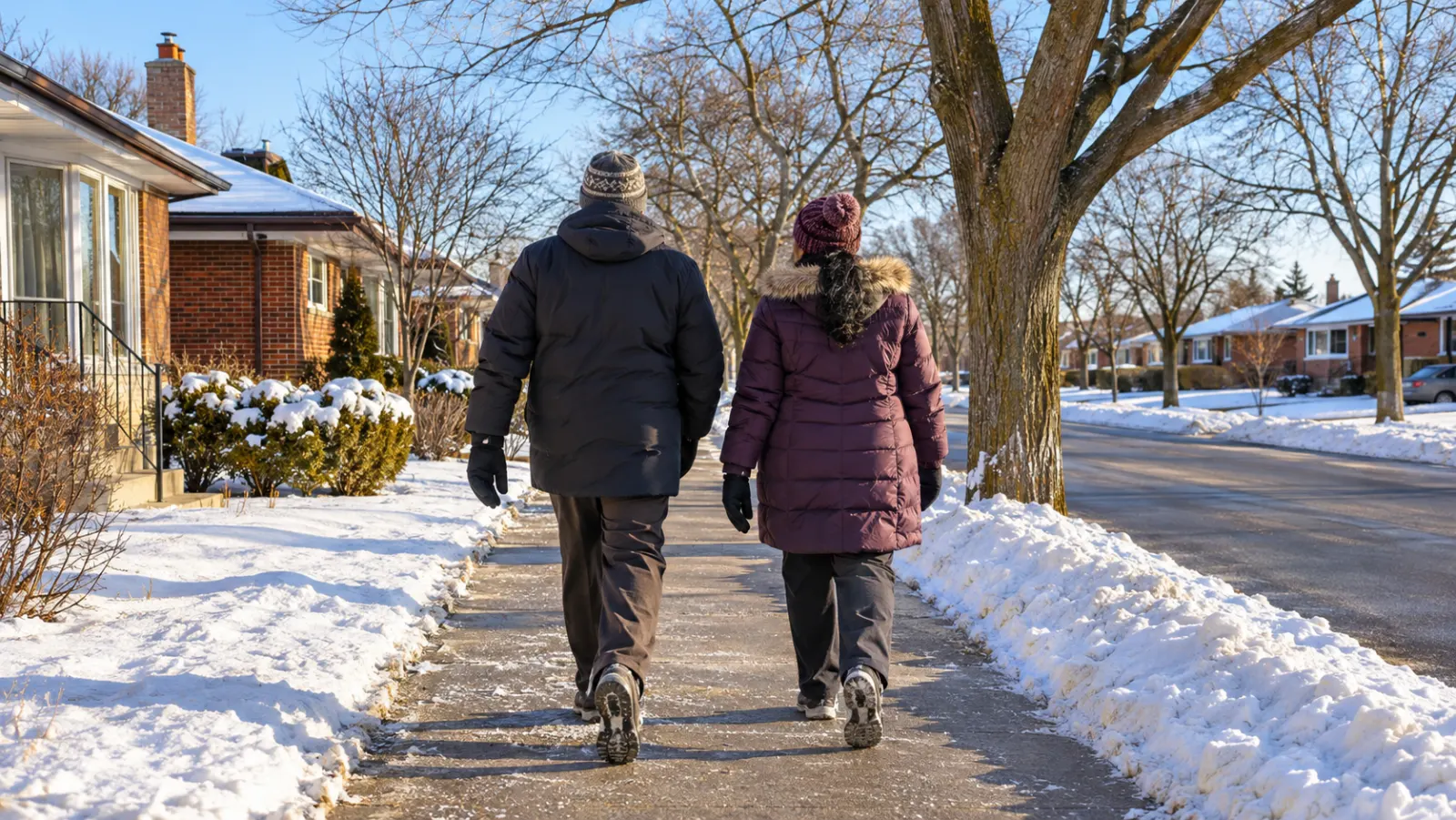
Physical activity reduces liver fat even when the scale does not move much. Both aerobic exercise, like brisk walking, and strength training help. In February, that might mean walking indoors, using the stairs in your apartment building, following an exercise video at home, or getting off the bus a stop early on Eglinton when the sidewalks are clear. Aim to build up gradually toward most days of the week.
Alcohol
If you have fatty liver, alcohol adds a second source of stress to the same organ. Your clinician may advise cutting back or stopping altogether, especially if there is any sign of scarring. Be honest about how much you drink; it changes how your results are interpreted.
Medications and other conditions
Treating the conditions that travel with fatty liver is part of treating the liver itself. That means good control of diabetes, blood pressure, and cholesterol. Some medications used for diabetes and weight management appear to benefit the liver as well, and research into treatments aimed specifically at fatty liver is moving quickly. Your clinician can discuss whether any medication is suitable for you. Cholesterol-lowering medications are generally considered safe for people with fatty liver, so do not stop them without asking.
Always check with a clinician or pharmacist before taking herbal remedies or high-dose supplements marketed for the liver. Some can actually cause liver injury.
Symptoms that should not wait
Seek prompt medical attention if you notice:
- Yellowing of the skin or the whites of the eyes
- Swelling of the abdomen or legs
- Dark urine with pale stools
- Confusion, unusual drowsiness, or easy bruising and bleeding
Call 911 or go to the emergency department if you vomit blood, pass black or bloody stools, or become very confused or difficult to wake.
Ongoing care for fatty liver in Scarborough
Fatty liver is a long-term condition, and the best results come from regular follow-up rather than a single appointment. That usually means repeating blood work periodically, checking weight, waist, blood pressure, blood sugar and cholesterol, and reassessing scarring risk over time.
Our family doctor team at HealthSmart Medical provides this kind of ongoing care in Scarborough, working with you on realistic goals that fit your food, your family, and your work schedule. If an ultrasound or lab result has mentioned your liver and no one has explained it, bring the report in and we will go through it together. Visit us at 2425 Eglinton Ave. East, Unit 12, call 416-757-7117, or book online.
This article is for general information and is not a substitute for medical advice. If you have severe or worsening symptoms, call 911 or go to the nearest emergency department.