Late July in Scarborough is sticky. Humidity hangs over the city, the bus shelter on Eglinton feels like a sauna, and everyone arrives at work a little damp. Sweating in that weather is not a problem. It is your body doing its job, keeping you cool.
But some people sweat heavily in January too. Their palms drip onto exam papers. They avoid shaking hands at weddings and job interviews, carry a spare shirt in their backpack, and pick clothing colours to hide underarm marks. They sweat in air-conditioned offices while their coworkers reach for sweaters. For them, sweat is not about the weather at all, and it can quietly shape their social life, work and confidence.
That condition has a name, hyperhidrosis, and it is far more common than most people realise. It is also treatable. This article explains the two main types, the medical conditions and medications that can drive sweating, the treatment options that exist, and when sweating, especially at night, deserves a closer look from a doctor.
How much sweat is too much?
There is no exact amount of sweat that counts as “excessive.” Doctors focus instead on whether the sweating is more than the body needs to control temperature, and whether it gets in the way of daily life. Some useful questions to ask yourself:
- Do you sweat heavily when you are not hot, exercising or anxious?
- Does sweat drip from your hands or soak through your clothes on a regular basis?
- Do you change clothes or shower more than once a day because of it?
- Have you avoided touching people, holding paper, using touchscreens or certain activities because of sweaty hands?
- Do you wear only dark colours, or layers, to hide sweat marks?
- Has it affected your work, school, relationships or mood?
If several of these sound familiar, it is worth talking to a clinician. Many people live with hyperhidrosis for years without mentioning it, assuming nothing can be done or feeling embarrassed to bring it up. Doctors hear about it often, and there is nothing silly about asking.
Two very different kinds of sweating
The single most important step is working out which type you have, because the causes and next steps are different.
Primary focal hyperhidrosis
This is the most common form. It is not caused by another illness. Instead, the nerves that control the sweat glands seem to be overactive in certain areas. Typical features include:
- Sweating in specific areas: the palms, soles of the feet, underarms, or face and scalp
- Sweating on both sides equally, for example both palms or both armpits
- Starting young, often in childhood, the teen years or early adulthood
- Little or no sweating during sleep
- Episodes that may be triggered by stress, warmth or for no clear reason at all
- Often, another family member with the same problem
People with primary hyperhidrosis are otherwise healthy. The condition can be frustrating and isolating, but it is not dangerous.
Secondary hyperhidrosis
Here the sweating is a symptom of something else, such as a medical condition or medication. Clues that sweating might be secondary include:
- It started in adulthood, especially fairly suddenly
- It affects the whole body rather than just the hands, feet or underarms
- It happens during sleep
- It is one-sided or limited to an unusual area
- It comes with other symptoms such as weight loss, fever, a racing heart, shakiness or fatigue
If your sweating fits this pattern, the goal is to find and treat the cause rather than simply manage the sweat.
Possible causes of secondary sweating
A long list of things can increase sweating. Some of the more common include:
- Medications. Some antidepressants, certain diabetes medicines, some pain medications, hormone treatments and a range of other drugs can cause sweating as a side effect. Never stop a prescribed medicine on your own, but do mention the sweating to your doctor or pharmacist.
- Menopause. Hot flashes and night sweats are among the most familiar symptoms of perimenopause and menopause.
- An overactive thyroid. Too much thyroid hormone speeds up the body’s metabolism, often bringing heat intolerance, sweating, weight loss, a fast heartbeat and anxiety.
- Low blood sugar. People with diabetes who take insulin or certain tablets can have episodes of low blood sugar, which often cause sudden cold sweats, shakiness and confusion.
- Infections. Some infections, including tuberculosis, can cause fevers and drenching sweats.
- Anxiety and panic. Strong anxiety can trigger sweating along with a pounding heart, although anxiety on its own does not usually explain a lifelong pattern of focal sweating.
- Alcohol and caffeine, as well as withdrawal from alcohol or certain drugs.
- Body weight. A larger body works harder to shed heat and may sweat more.
- Less commonly, some cancers, such as lymphoma, and certain hormone-producing tumours can cause sweating, usually with other symptoms.
Working through this list is detective work for your clinician. A careful history and examination often point in the right direction, and blood work may be ordered to check things such as thyroid function and blood sugar.
A word about night sweats
Waking up warm because the bedroom is stuffy or the duvet is too heavy is normal, especially on a humid summer night. True night sweats are different: you wake up drenched, sometimes needing to change your pyjamas or sheets, even when the room is cool.
Night sweats have many possible causes, including menopause, medications, infections, low blood sugar overnight, and some sleep problems. Occasionally they are a sign of something more serious. Book an appointment if night sweats:
- Happen regularly, without an obvious explanation
- Come with unexplained weight loss, fevers, a persistent cough, or swollen lymph nodes in the neck, armpits or groin
- Are new and you have recently travelled or been in close contact with someone with tuberculosis
When sweating is an emergency
Sweating on its own is rarely an emergency. But sudden sweating with chest pain or pressure, shortness of breath, nausea, or pain spreading into the arm, jaw or back can be a sign of a heart attack. Call 911. Women and older adults may have less typical symptoms, such as unusual tiredness or breathlessness along with a cold sweat.
Call 911 too for someone who is sweaty, confused and difficult to wake, which may be severe low blood sugar. If someone with diabetes has a cold sweat and shakiness but is awake and able to swallow, follow their low blood sugar plan, such as fast-acting sugar.
On very hot days, remember that someone who has stopped sweating, with hot skin and confusion, may have heat stroke, which is also an emergency.
Treatment options, step by step
There is no single cure for primary hyperhidrosis, but there are several effective ways to manage it. Treatment usually starts with the simplest, safest options and moves on only if needed.
Antiperspirants, used the right way
Regular antiperspirants (not just deodorants, which mask odour) contain aluminum salts that plug the sweat ducts. Stronger versions with aluminum chloride are sold at pharmacies, and some are available on prescription. They can be used on the underarms, and sometimes the hands and feet.
The trick is in the timing. Apply antiperspirant at bedtime, to completely dry skin, when the sweat glands are least active, so the product can work its way into the ducts. Wash it off in the morning. Many people only need nightly use for a while, then a few times a week once it is working. The main side effect is skin irritation, which a gentle moisturiser or using it less often can help.
Prescription creams and wipes
Some prescription topical products work by blocking the nerve signals that switch on sweat glands. Your doctor can tell you whether any are suitable and available for you.
Iontophoresis for hands and feet
In this treatment, the hands or feet sit in shallow trays of tap water while a mild electrical current passes through the water. It is not fully understood how it works, but for many people with sweaty palms and soles, regular sessions reduce sweating noticeably. Treatments are usually done several times a week at first, then less often for maintenance. Home devices exist, and a doctor can advise on whether this approach makes sense.
Botulinum toxin injections
Small injections of botulinum toxin into the skin of the underarms, and sometimes the palms, can block sweating for several months at a time. This is usually done by a dermatologist or another specialist, and it needs to be repeated when the effect wears off. A specialist referral is the usual route.
Tablets
Certain oral medications reduce sweating throughout the body. They can help when sweating affects several areas or the face and scalp, but they commonly cause side effects such as dry mouth, constipation, blurry vision and trouble passing urine. Importantly, they can reduce your body’s ability to cool itself, so extra care is needed during heat waves and exercise. These medicines are not right for everyone, and the decision is one to make with your doctor.
Procedures and surgery
For people with severe sweating that has not responded to other treatments, a specialist may discuss procedures that target the underarm sweat glands, or, rarely, surgery on the nerves that control sweating. Surgery carries a well-known risk of “compensatory sweating,” where heavy sweating appears in a new area such as the back or chest, so it is generally considered only after other options.
Everyday habits that help
While you work on treatment, small changes can make daily life easier:
- Choose breathable fabrics such as cotton, linen or moisture-wicking athletic materials, and loose fits
- Use underarm shields or undershirts to protect dress shirts and blouses
- Rotate shoes, wear moisture-wicking socks, and change socks during the day if needed; damp feet are prone to athlete’s foot and odour
- Carry a small towel or cloth in your bag for hands before a meeting or exam
- Wash with an antibacterial soap if odour is an issue, and dry skin well
- Notice triggers, such as spicy food, hot drinks, alcohol or caffeine, and cut back where it helps
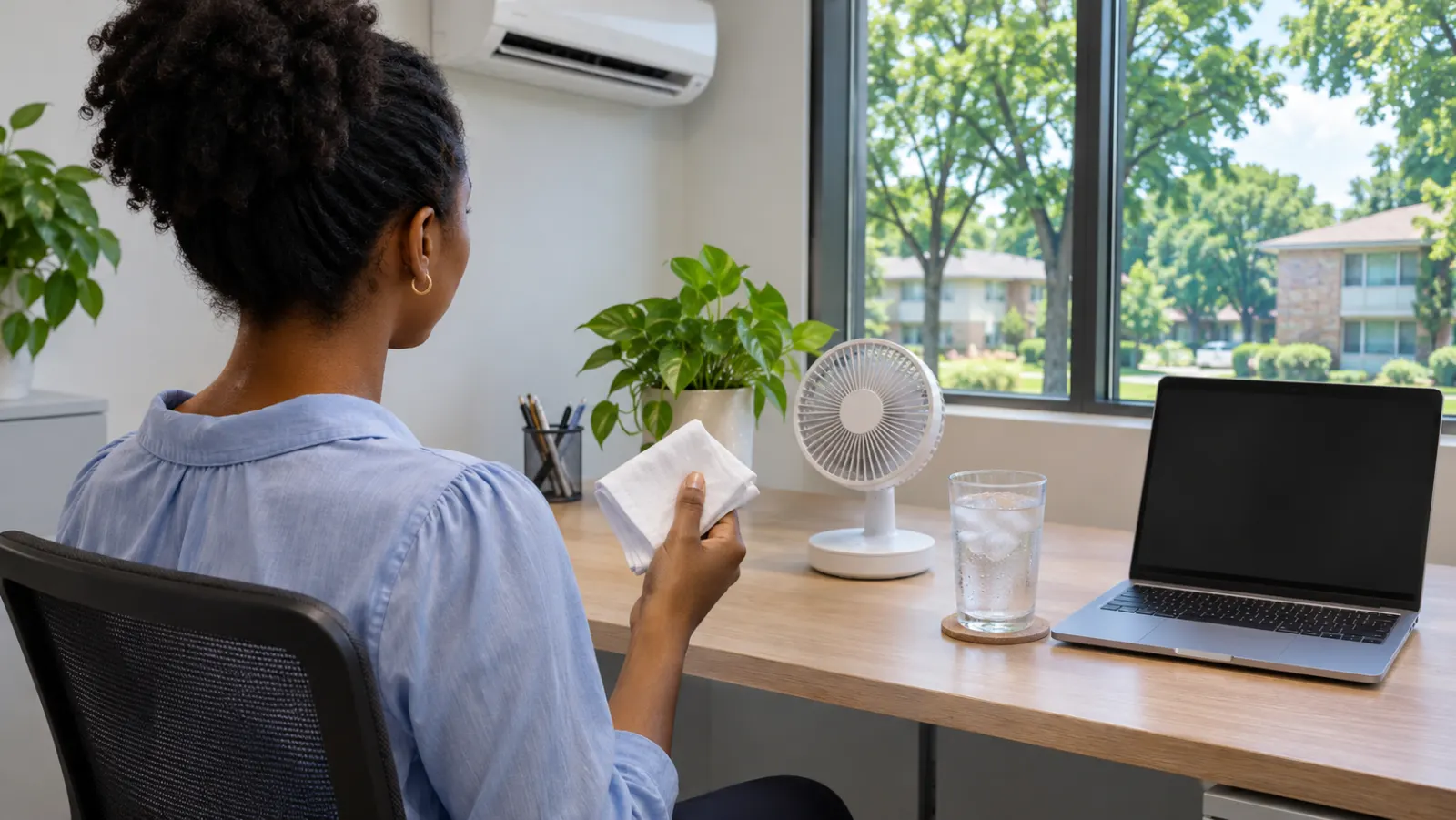
- Keep cool at home, with fans or air conditioning during heat waves
The emotional side
Hyperhidrosis is not just a skin issue. Many people describe dreading handshakes, avoiding dating, turning down jobs that involve holding paperwork, or feeling anxious about their child’s school photos. Teens may skip gym class or refuse to raise their hand. Anxiety can make sweating worse, which then makes the anxiety worse, and so on.
Recognising that this is a real, common medical condition, not a personal failing, can be a relief in itself. If it is affecting your mood or confidence, say so during your visit. That is useful information for your care.
Talk to us about sweating in Scarborough
Whether your sweating started in your teens or appeared out of nowhere this year, a clinician can help sort out what kind it is and what to try next. At HealthSmart Medical, our family doctors and walk-in clinic can review your symptoms and medications, check for causes like thyroid problems or menopause, and arrange tests or a referral when needed. Sweating that keeps you from living fully is worth bringing up.
We are located at 2425 Eglinton Ave. East, Unit 12, in Scarborough. Call 416-757-7117 or book online for an appointment.
This article is for general information and is not a substitute for medical advice. If you have severe or worsening symptoms, call 911 or go to the nearest emergency department.