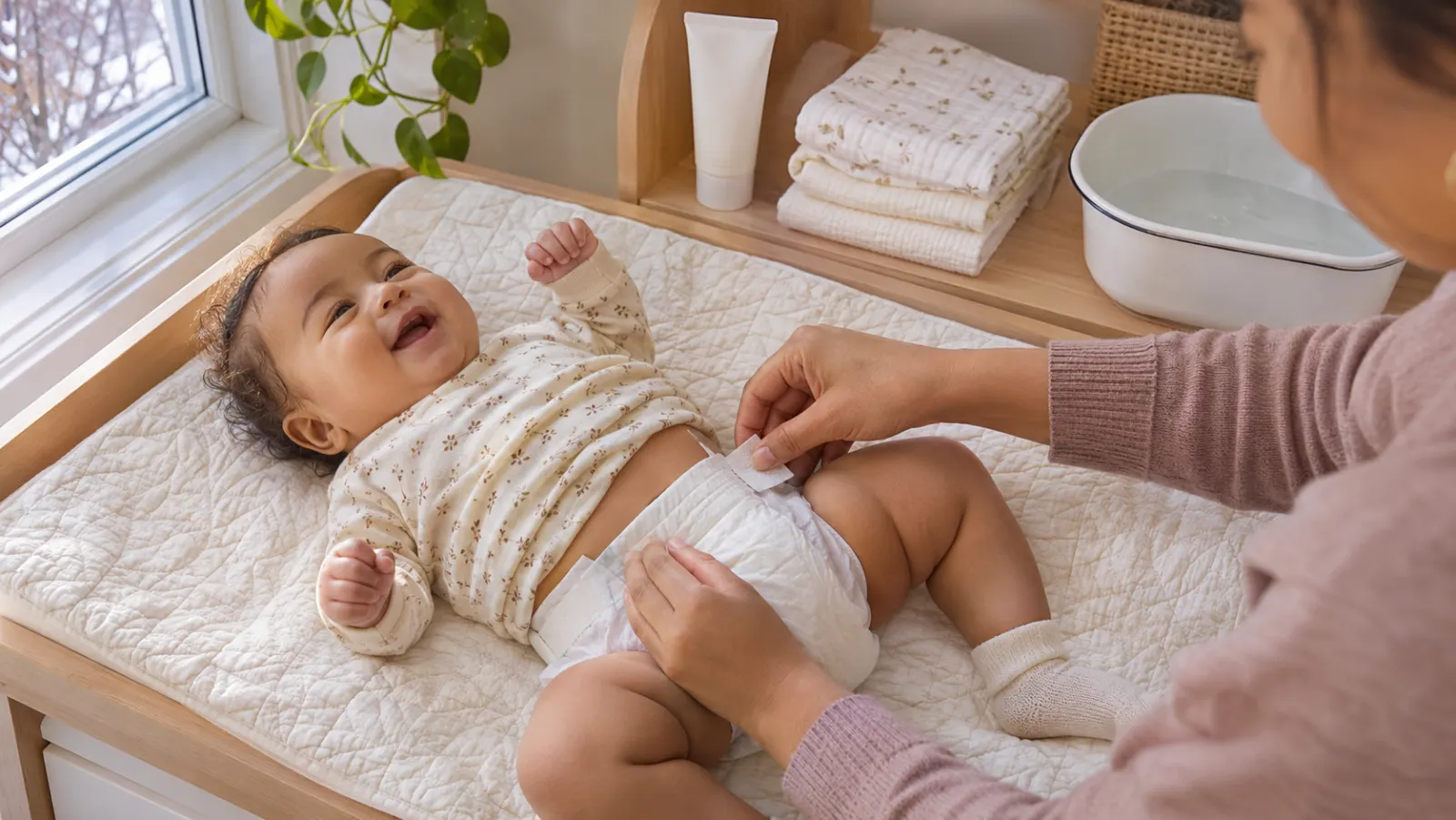
You open the diaper and there it is: angry red skin, maybe a few bumps, maybe a raw patch that makes your baby wail when the wipe touches it. Diaper rash is one of those small problems that does not feel small at all when it is your child, especially when they cry at every change and you are not sure whether you caused it, whether it is infected, or whether the cream you bought is even the right one.
The reassuring news is that nearly every baby gets diaper rash at some point, and most cases are mild and clear up within a few days with simple care at home. The less obvious part is that not every red bottom is the same. Some rashes are plain irritation, some are caused by yeast, and a few need a doctor’s eye.
Here is a practical guide for parents and caregivers in Scarborough, from the everyday basics to the signs that a rash has become something more.
Why babies get diaper rash
The skin in the diaper area has a hard job. It sits in a warm, damp, enclosed space, exposed to urine and stool many times a day, and rubbed by the diaper every time your baby kicks or crawls. Over time that combination weakens the skin’s natural barrier, and once the barrier is damaged, irritation follows quickly.
Common triggers include:
- Prolonged contact with wetness. Even super-absorbent diapers leave skin damp if they are not changed often enough.
- Stool, especially diarrhea. Enzymes in stool are irritating to skin, and frequent loose stools are one of the fastest routes to a painful rash.
- Friction from a diaper that is too tight or rubs at the legs and waistband.
- New foods. Starting solids changes the content of stool, and some parents notice a rash around this time.
- Antibiotics, taken by the baby or by a breastfeeding parent, can shift the normal balance of organisms and make a yeast rash more likely.
- Fragranced products, including some wipes, soaps, bubble baths and laundry detergents for cloth diapers.
- Overnight stretches. As babies sleep longer, the overnight diaper sits on the skin for many hours.
Telling the common types apart
You cannot always tell exactly what kind of rash your baby has just by looking, and some babies have more than one type at once. Still, a few patterns are useful to know.
Irritant diaper rash
This is the classic, most common kind. The skin looks pink to red, sometimes shiny, and it tends to affect the areas that touch the diaper most: the buttocks, the outer genitals, the lower belly and the upper thighs. A useful clue is that the deep skin folds are often spared, because they are tucked away from the diaper surface. In more severe cases the skin can look raw or have small open areas.
On darker skin, inflammation may look less red and more dark brown, purple or greyish, and the area may feel rough or look shiny. Parents of babies with deeper skin tones should not wait for “bright red” before taking a rash seriously.
Yeast (candida) diaper rash
Candida is a yeast that normally lives on skin and in the gut, and it thrives in warm, moist places. When it takes hold on irritated skin, the rash tends to look different:
- A deep, beefy red colour that does involve the skin folds
- Sharp, defined edges
- Small red spots or bumps scattered just beyond the main rash, sometimes called satellite spots
- A rash that keeps getting worse despite good barrier cream use, or lasts more than two or three days
A baby with a yeast diaper rash may also have thrush in the mouth: white patches on the tongue, gums or inside of the cheeks that do not wipe away easily. If you are breastfeeding and your nipples become sore, red or itchy at the same time, mention it, since yeast can pass back and forth.
Less common causes
A handful of other conditions can show up in the diaper area and are worth a doctor’s assessment:
- Bacterial infection, such as impetigo, which may cause blisters, pus-filled bumps or honey-coloured crusts. Some strep infections cause a bright, well-defined redness around the anus.
- Allergic reactions to a new wipe, cream or diaper brand.
- Seborrheic dermatitis, which often shows up as yellowish, greasy-looking scale and may also appear on the scalp (cradle cap) or behind the ears.
- Eczema, which can affect the diaper area in some babies, usually alongside dry, itchy patches elsewhere.
- Psoriasis, rarely, can appear in the diaper area as well-defined pink-red patches.
Caring for a diaper rash at home
For most mild rashes, the treatment is the same as the prevention: keep the skin clean and dry, protect it with a barrier, and give it time.
Change diapers often
Check your baby frequently and change wet or dirty diapers promptly, including once overnight if the rash is bad. Newborns may need ten or more changes a day. It feels relentless, but it is the single most effective step.
Clean gently
- Use lukewarm water and a soft cloth or cotton pads, especially when the skin is raw.
- If you use wipes, choose fragrance-free, alcohol-free ones, and consider skipping them altogether until the rash heals.
- Pat dry rather than rubbing. A squeeze bottle of water rinses stool off sore skin with less friction.
- A short, plain lukewarm bath can help remove stool from creases. Skip bubble bath and scented soaps.
Let skin breathe
Diaper-free time lets the area dry and recover. Lay your baby on a towel over a waterproof mat for a few minutes several times a day. In early March in Scarborough, many homes are still running the furnace, so a warm room makes this comfortable. Keep a hand nearby; a diaper-free baby can surprise you.
Use a thick barrier cream
Barrier creams form a protective layer between skin and moisture. The most common are:
- Zinc oxide pastes and creams, which are thick and protective
- Petroleum jelly, which is simple and inexpensive and works well for mild rashes or as a daily preventive
Apply a generous layer, like icing a cake, at every change. You do not need to scrub off all of the old cream each time; gently wipe away the soiled part and add more on top. Scrubbing irritates the skin you are trying to protect.
Adjust the diaper
Make sure diapers are not too tight and size up if they leave red marks. If you use cloth diapers, rinse well, use an unscented detergent, avoid fabric softeners, and consider switching to disposables for a few days while a bad rash heals, since they generally keep skin drier.
Products and practices to avoid
Some common habits can make a rash worse or carry their own risks:
- Baby powder or talc. Fine powder can be inhaled and irritate a baby’s lungs, and it does little for an active rash.
- Strong steroid creams or combination steroid-antifungal creams unless a doctor specifically prescribes them. Diaper-area skin absorbs medicine easily, and the diaper itself increases absorption.
- Adult medicated creams left over from another family member.
- Home remedies you are unsure about, including essential oils or undiluted oils, which can irritate or sensitize skin.
- Scented products of any kind in the diaper area.
If a relative suggests a remedy from back home, it is fine to ask your doctor or pharmacist whether it is safe. Many families in Scarborough blend advice from several generations and several countries, and a quick check helps you keep the good ideas while setting aside anything risky.
Treating a yeast rash
If a rash looks like yeast, or has not improved after two or three days of good diaper care, it is worth having your baby examined. A doctor may recommend an antifungal cream such as clotrimazole or nystatin, applied as directed, usually under a layer of barrier cream. Some are available over the counter, but it is best to confirm the diagnosis first, particularly for babies under a few months old or if your baby also has thrush in the mouth, which is treated differently.
Yeast rashes often take a week or more of consistent treatment to clear, and they can come back. Keep going for as long as advised, even once the skin looks better.
When to see a doctor
Book an appointment if:
- The rash has not improved after two or three days of careful home care
- It looks like a yeast rash, with deep red folds and satellite spots
- There are blisters, pus-filled bumps, open sores, bleeding or honey-coloured crusts
- The rash is spreading beyond the diaper area, such as to the belly, back or arms
- Your baby is very uncomfortable, crying with every pee or poop
- The rash keeps coming back
- Your baby also has white patches in the mouth or is feeding poorly
- You are not sure what you are looking at and would like reassurance
Our childhood illness treatment and paediatric care services cover exactly this kind of everyday skin problem.
Seek urgent care or call 911 if:
- Your baby is under three months old and has a fever of 38.0°C or higher
- Your baby has a rash with fever and seems unwell, very sleepy, floppy or hard to wake
- There are signs of dehydration, such as far fewer wet diapers than usual, a dry mouth, no tears when crying, or a sunken soft spot, especially if your baby has diarrhea or vomiting
- The rash has purple or dark red spots that do not fade when you press on them
- The skin is swollen, hot and rapidly spreading, or your baby seems to be in severe pain
Preventing the next round
Once the skin has healed, a few habits keep it that way:
- Keep changes frequent, especially overnight and during any bout of diarrhea.
- Use a thin layer of barrier cream or petroleum jelly at each change, or at least at bedtime.
- Give regular diaper-free time.
- Stick to fragrance-free products, and introduce new wipes or creams one at a time so you can spot a reaction.
- Watch the skin closely when your baby is on antibiotics or starting new foods, and start barrier cream early.
- Make sure everyone who changes your baby, from grandparents to daycare staff, follows the same routine.
Diapers and creams are an ongoing cost, and in an expensive city that can add up. If the cost of diapers is making it hard to change them as often as you would like, please mention it at your visit. It is a common concern, and there may be community resources that can help.
When it might be more than a rash
Very occasionally, a persistent diaper rash is a clue to something else, such as a skin condition, a nutritional problem, or an issue with how the bowel is working. Ongoing diarrhea, poor weight gain, or a rash that resists every reasonable treatment deserve a fuller look. These situations are uncommon, but they are the reason a stubborn rash is worth bringing in rather than living with indefinitely. Routine well-baby visits are also a good chance to ask about skin care, diaper habits and anything else that has been nagging at you.
Help for sore bottoms at HealthSmart Medical
If your baby’s diaper rash is not settling, looks like yeast, or simply has you worried, our team can take a look and recommend a plan that fits your family. We see babies and young children for everyday concerns, and we are happy to answer questions about which creams to buy and which to skip.
HealthSmart Medical is located at 2425 Eglinton Ave. East, Unit 12, in Scarborough, with easy access from the Eglinton corridor. Call 416-757-7117 or book online, and bring along any creams or products you have been using so we can review them with you.
This article is for general information and is not a substitute for medical advice. If you have severe or worsening symptoms, call 911 or go to the nearest emergency department.