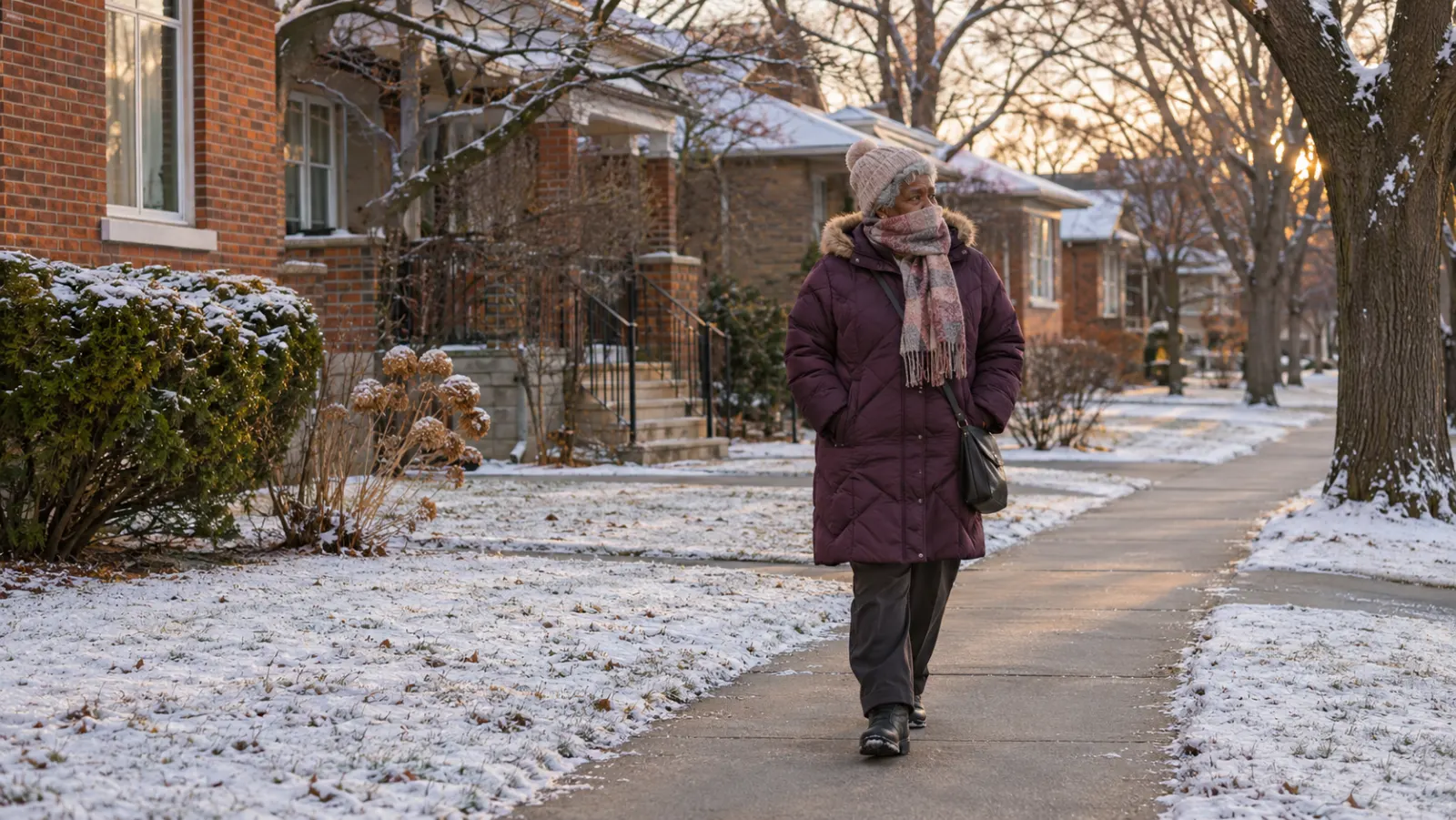
Ask anyone who lives with chronic obstructive pulmonary disease and they will usually tell you the same thing: winter is the season they plan around. The cold makes breathing harder, the days get shorter and less active, and a single chest cold can turn into weeks of struggle or a trip to hospital. For many families in Scarborough, the person with COPD is a parent or grandparent whose health shapes the rhythm of the whole household from November to March.
COPD is a long-term lung condition, most often linked to years of smoking, though workplace dust and fumes, second-hand smoke, and other exposures can play a role too. It includes emphysema and chronic bronchitis, and it tends to cause shortness of breath, ongoing cough, and mucus. It cannot be cured, but it can very often be managed well. The goal is fewer flare-ups, better day-to-day breathing, and staying as active and independent as possible.
This article is written for people living with COPD and the family members who help care for them. It covers the season ahead in four parts: preparing before the worst of winter, protecting yourself with vaccines, using breathing techniques that make daily life easier, and recognizing the warning signs that a flare-up is starting.
Before the deep freeze: a pre-winter checklist
The weeks before winter fully settles in are the best time to get organized. Little things done now can prevent a scramble later, when it is icy outside and you are not feeling well.
Review your medications
Make sure you know which inhaler is your daily maintenance medication and which is for quick relief. Check expiry dates, count how many doses remain, and arrange refills ahead of time, especially before the holidays when pharmacy schedules can change. If you have been skipping your maintenance inhaler because of cost, side effects, or confusion about how to use it, tell your clinician. There may be options that work better for you.
Check your technique
Many people with COPD have been using inhalers for years without anyone watching how they do it. Small errors, such as breathing in too quickly, forgetting to breathe out fully first, or not using a spacer when one is recommended, can mean much less medication reaches the lungs. Arthritis in the hands or reduced breathing strength can also make certain devices harder to use over time. Bring every inhaler to your next visit and ask to have your technique checked.
Update your action plan
A COPD action plan is a written set of instructions you create with your clinician. It lists your usual medications, describes what a flare-up looks like for you, and explains exactly what to do if one begins. Some plans include a prescription to start early if symptoms worsen in a certain way. If you do not have a plan, or if yours is more than a year old, winter is the time to make or update one.
Stock up on practical supplies
- A thermometer that works
- Enough of your regular medications to cover a stretch of bad weather
- Warm scarves or neck warmers to cover your nose and mouth outdoors
- Non-slip footwear or ice grips, since a fall can be especially serious when breathing is already limited
- A list of your medications, conditions and allergies, kept somewhere a family member can find it
Why cold weather is hard on COPD
When cold, dry air enters the lungs, it can irritate the airways and cause them to narrow. For someone whose lungs already work harder than normal, that extra narrowing can make a short walk feel like climbing stairs. Cold air can also increase mucus production and trigger coughing spells.
Winter also changes behaviour. Many people with COPD move less when it is icy and dark, and over a few months that inactivity can weaken muscles, including the muscles used for breathing. Weaker muscles need more oxygen to do the same work, which makes breathlessness worse, which leads to moving even less. Breaking that cycle is one of the most important parts of winter COPD care.
Going outside safely
You do not need to stay housebound all winter. A few adjustments can make outings more comfortable:
- Cover your nose and mouth with a scarf to warm the air you breathe.
- Breathe in through your nose where possible.
- Walk at a slower pace and plan rest stops.
- Avoid going out during the coldest part of the day, or on very windy days, if you can.
- Keep your reliever inhaler in an inside pocket so it stays warm and within reach.
- Let someone know where you are going if you are heading out alone in bad weather.
If you rely on the TTC to get to appointments or errands, give yourself extra time so you are not rushing for a bus in the cold. Hurrying in freezing air is a common trigger for breathlessness.
Staying active indoors
On days when going outside is not practical, gentle indoor activity still counts. Walking laps in your home, doing seated leg exercises, climbing a few stairs slowly, or following a simple routine your clinician or physiotherapist has given you can all help keep muscles working. Some people also walk indoors at large shopping centres during winter. If you have been offered a pulmonary rehabilitation program, it is worth taking seriously; these programs combine supervised exercise and education and are designed specifically for people with lung disease.
Vaccines: one of your strongest protections
Respiratory infections are among the most common causes of COPD flare-ups. Vaccines cannot stop every infection, but they can lower the chances of catching certain illnesses and reduce the risk of severe complications.
For people with COPD, vaccines your clinician may discuss include:
- Influenza vaccine, every fall. Flu shots are publicly funded in Ontario and strongly recommended for people with chronic lung disease.
- COVID-19 vaccine, according to current Ontario recommendations for your age and health.
- Pneumococcal vaccine, which protects against a common cause of bacterial pneumonia.
- RSV vaccine, which may be recommended for some older adults depending on age, health and current provincial eligibility.
- Routine adult vaccines, such as tetanus and diphtheria boosters.
Eligibility for some of these vaccines depends on your age and other factors, and guidelines are updated over time. Your clinician can confirm what you are due for and what is publicly funded. Our adult vaccinations visits are a good place to review your full record.
Vaccination for people around you matters too. Encourage family members, especially young children and anyone who visits often, to get their own flu shot.
Breathing techniques worth practising
Breathing techniques do not replace medication, but they can help you feel more in control during activity or when breathlessness starts to build. They work best when practised regularly on good days, so they feel natural when you really need them.
Pursed-lip breathing
This is one of the most useful techniques for people with COPD. It slows your breathing and helps keep the airways open longer as you breathe out, so trapped air can escape.
- Relax your neck and shoulders.
- Breathe in slowly through your nose for about two counts.
- Purse your lips as if you were about to whistle or blow out a candle.
- Breathe out gently through your pursed lips for about four counts, or roughly twice as long as you breathed in.
Try using it while climbing stairs, carrying groceries, or anytime you feel breathlessness rising.
Belly breathing
Also called diaphragmatic breathing, this technique encourages you to use your diaphragm, the main breathing muscle, rather than your neck and shoulder muscles. Sit or lie comfortably with one hand on your chest and one on your stomach. Breathe in through your nose and let your stomach rise while your chest stays relatively still. Breathe out slowly through pursed lips and feel your stomach fall. Some people find this tiring at first, so start with a few minutes at a time.
Positions that ease breathlessness
When you feel short of breath, leaning forward can help. Try sitting with your forearms resting on your thighs or on a table, or standing and leaning your forearms against a counter or wall. These positions let your breathing muscles work more efficiently. Combine them with pursed-lip breathing to recover more quickly.
Clearing mucus
Some people with COPD produce more mucus in winter. Controlled coughing, staying well hydrated unless your clinician has told you to limit fluids, and any airway clearance techniques you have been taught can help. If you have been shown a specific technique, keep using it consistently.
Recognizing a flare-up early
A COPD flare-up, sometimes called an exacerbation, is a period when symptoms become noticeably worse than your usual day-to-day variation. Flare-ups are often triggered by infections, but cold air, smoke and air pollution can also contribute. Catching them early gives you the best chance of treating them at home.
Warning signs to watch for
- More shortness of breath than usual, especially with activities you normally manage
- A change in mucus colour, amount or thickness
- More coughing or wheezing
- Needing your reliever inhaler more often
- Fever or feeling generally unwell
- Trouble sleeping because of breathing
- Swelling in the ankles that is new or worse
- Feeling more tired, weak or confused than usual
If you notice these signs, follow your action plan and contact your clinician the same day. Do not wait to see if it passes on its own. Family members can help by noticing changes, since people with COPD sometimes become so used to feeling breathless that they underestimate a flare.
When to call 911
Some symptoms need emergency care immediately. Call 911 if you or the person you care for:
- Is severely short of breath, even at rest
- Cannot speak more than a few words at a time
- Has chest pain or pressure
- Has blue or grey lips or fingertips
- Is confused, very drowsy, or hard to wake
- Is not improving with the emergency steps in the action plan
If you use home oxygen, follow the settings your care team gave you and do not increase the flow on your own unless you have been told to. For non-urgent questions after hours, Health811 is available to speak with a registered nurse.
Other things that help through the season
Air quality at home
Keep your home smoke-free and avoid wood stoves, scented candles, and strong cleaning products where possible. Ventilate when cooking, especially with oil or spices that create a lot of smoke. A clean furnace filter can help reduce dust.
Nutrition and weight
Breathing with COPD takes energy. Some people lose weight without meaning to, while others find extra weight makes breathing harder. Smaller, more frequent meals can be easier if large meals make you breathless. Your clinician can help you think through what is right for you.
Mood and isolation
Long winters can be hard on mood, and shortness of breath can make people withdraw from activities they used to enjoy. Feeling low, anxious, or isolated is common with chronic lung disease, and it is worth mentioning at your appointment. Staying connected with family, friends, faith communities or community programs in Scarborough can make a real difference.
Quitting smoking
If you still smoke, stopping is the single most effective step you can take to slow COPD progression, at any age and at any stage. Many people need several attempts, and support and medication can help. Ask your clinician about options.
Planning your winter COPD care in Scarborough
Winter with COPD takes planning, but you do not have to figure it out alone. A pre-winter visit is a good opportunity to review your medications, check your inhaler technique, update your action plan, and get caught up on vaccines.
At HealthSmart Medical, our COPD management visits are built around exactly those needs, and we can support longer-term care through our chronic disease management services. If a chest infection has already started, do not wait for it to settle on its own; contact us early.
Visit us at 2425 Eglinton Ave. East, Unit 12, in Scarborough, call 416-757-7117, or book online. Bringing a family member along to the appointment can be helpful, especially if they help manage medications at home.
This article is for general information and is not a substitute for medical advice. If you have severe or worsening symptoms, call 911 or go to the nearest emergency department.