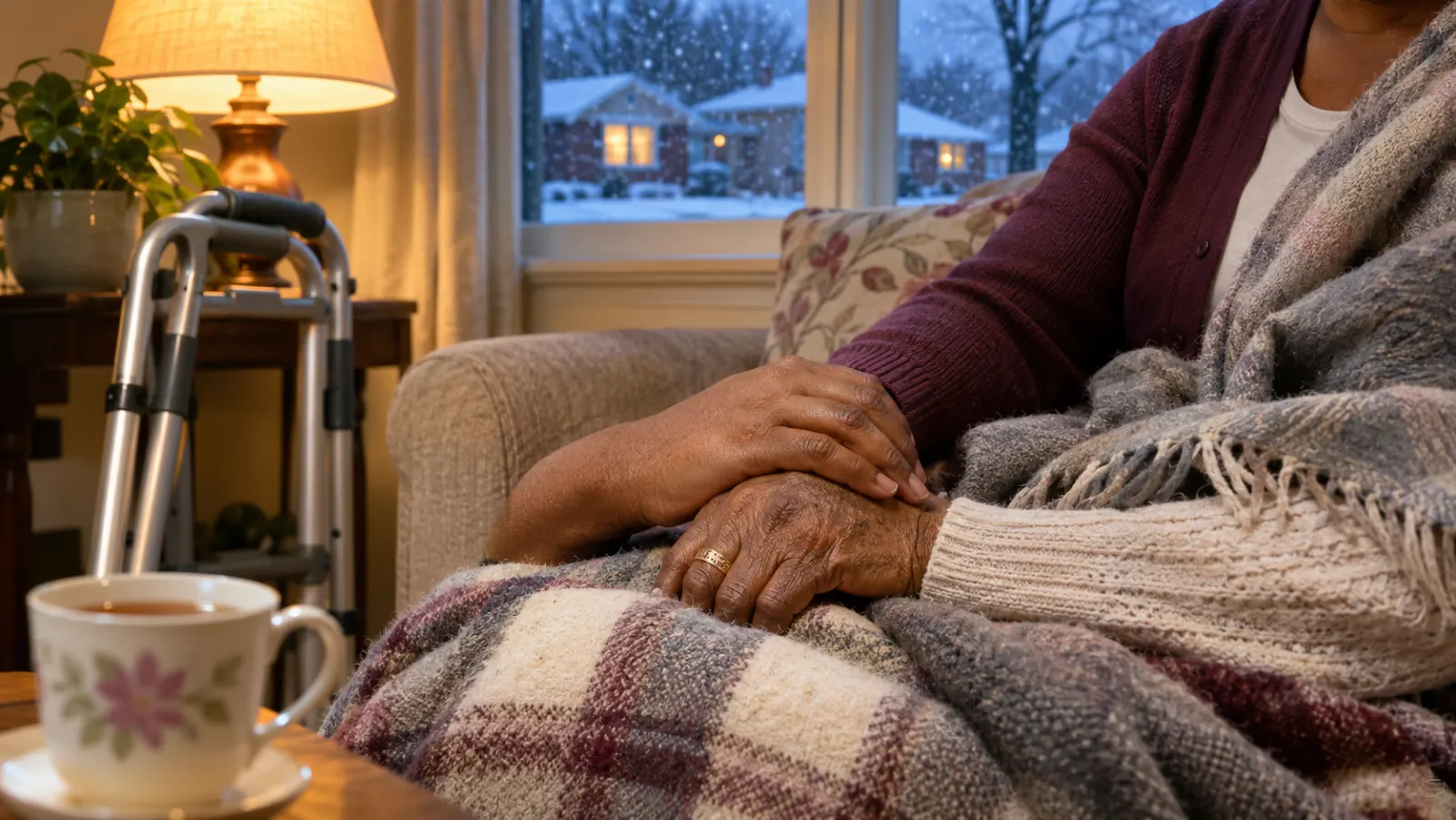
Nobody hands you a job description when you become a caregiver. One day you are helping your father sort out his pills after a hospital stay, and a year later you are managing his appointments, his groceries, his bath routine and his late-night worries, all while working full shifts and getting your own children to school. You love him. You would not have it any other way. And yet you are tired in a way that sleep does not fix.
Family caregiving is woven into life in Scarborough. Many households here are multigenerational, with grandparents, parents and children sharing a home, and in many cultures caring for an older relative is simply what a good son, daughter or daughter-in-law does. That sense of duty is a strength. It can also make it very hard to admit that you are struggling, or to accept help from outside the family.
This article is for the people doing the caring. It covers what burnout looks like, why caregivers so often neglect their own health, where respite and support can come from in Ontario, and how your family doctor can help. Everything here is general information. If you see yourself in these pages, consider it permission to put your own health on the agenda.
Who counts as a caregiver?
If you regularly help someone who has an illness, disability, frailty or memory loss, you are a caregiver, whether or not you call yourself one. That includes:
- An adult child helping a parent with dementia, Parkinson’s disease, heart failure or stroke recovery
- A spouse caring for a partner after cancer treatment or a serious injury
- A parent of a child or adult with a developmental disability or complex medical needs
- A grandchild who interprets at medical appointments and manages a grandparent’s medications
- A neighbour or friend who checks in every day and does the shopping
Many caregivers in Scarborough are “sandwiched” between generations, raising children while supporting ageing parents. Others are newcomers caring for a relative who has recently joined them in Canada and is still learning the health system. Some are caring from a distance, coordinating help over the phone while working long hours across the city.
How burnout creeps in
Burnout rarely arrives all at once. It builds slowly as demands outpace rest, often over months or years. Caregivers tend to notice it late because they are focused on someone else.
Signs in your body
- Constant exhaustion, even after a night off
- Frequent headaches, back pain or stomach upset
- Getting sick more often than you used to
- Changes in appetite or weight
- Trouble falling asleep, or waking at 3 a.m. listening for the person you care for
- Putting off your own medical appointments, refills and screening tests
Signs in your mood and thinking
- Irritability or snapping at the person you care for, then feeling guilty
- Feeling numb, hopeless or trapped
- Resentment toward siblings or relatives who do not help as much
- Losing interest in friends, hobbies, faith activities or things you used to enjoy
- Difficulty concentrating at work
- Anxiety that something will go wrong whenever you are not there
Signs in your life
- Dropping out of social plans because there is never time
- Missing work or cutting back hours
- Drinking more, smoking again or relying on sleeping pills
- Feeling that no one else can do things properly, so you never step back
If several of these sound familiar, you are not failing. You are depleted. Caregiver burnout is a predictable response to sustained pressure, not a weakness of character.
When it becomes depression
Burnout and depression overlap. If low mood, loss of interest, hopelessness or changes in sleep and appetite have lasted for two weeks or more, it is time to speak to a doctor. If you have thoughts of suicide, call or text 988 at any hour. If you are in immediate danger, call 911.
Sometimes caregivers under extreme strain notice they are becoming rough, impatient or neglectful toward the person they look after, or they worry they might lose control. If that happens, it is a sign you need more help right away, not a reason for shame. Talk to your doctor, a crisis line or another trusted professional as soon as possible. If anyone is in immediate danger, call 911.
Why caregivers neglect their own health
Ask a room of caregivers when they last had their blood pressure checked, and you will hear a lot of nervous laughter. Common reasons include:
- No time. Every hour is already spoken for.
- Guilt. Taking time for yourself feels selfish when someone depends on you.
- Family expectations. In some households, the caregiver role falls automatically on one person, often a daughter or daughter-in-law, and asking for help can feel like letting the family down.
- Money worries. Reduced work hours and caregiving costs can squeeze budgets.
- Putting it off. “I’ll deal with my own health once things settle down.” They often do not settle down.
The problem is that a caregiver’s health affects everyone in the household. If you develop uncontrolled high blood pressure, a back injury from lifting, or depression, the person you care for loses their main support. Looking after yourself is part of looking after them.
Practical ways to protect your health
Book your own checkup
Put your own annual physical exam on the calendar with the same seriousness you give your parent’s appointments. Use it to review blood pressure, sleep, mood, back pain, weight and any screening that is due. If getting away is difficult, ask whether a virtual care visit could handle part of it.
Protect your back
Lifting, transferring and helping someone in and out of the bath or car can injure caregivers. Ask a health professional, such as a physiotherapist or occupational therapist, for safe techniques and equipment like grab bars, raised toilet seats, transfer belts or a shower chair. Do not try to lift someone alone if it does not feel safe.
Guard your sleep
If you are up several times a night, see whether another family member can take some nights, even one or two a week. Baby monitors or simple alert devices may let you sleep in another room. Talk to your doctor if the person you care for is up all night, since there may be medical reasons that can be addressed.
Keep one thing that is yours
A walk around the neighbourhood, a weekly phone call with an old friend, a prayer group, a cooking show, twenty minutes with a book. Small anchors of normal life matter more than they seem.
Accept help, and ask for it specifically
People often say “let me know if you need anything” and then never hear back. Be specific instead:
- “Could you sit with Mom on Saturday afternoon so I can go to my appointment?”
- “Could you pick up her prescriptions on Thursdays?”
- “Could you handle the call with the insurance company?”
Holding a family meeting can help divide tasks fairly, especially when siblings live in different parts of the city or abroad. Those far away can still take on paperwork, research, bill payments or regular video calls.
Respite and support in Ontario
Respite means a break for the caregiver while someone else provides care. It can be a few hours or a few days, and it is one of the most effective protections against burnout.
Home and community care
In Ontario, publicly funded home and community care is coordinated through Ontario Health atHome. Depending on a person’s needs and eligibility, this may include things like personal support with bathing and dressing, nursing visits, therapy, and help connecting with community programs. Care coordinators can assess what is needed and explain options. Your family doctor can also help start the process or provide the medical information that is requested.
Community programs
Across Toronto there are community support agencies offering services such as:
- Adult day programs, where the person you care for can socialise and take part in activities while you work or rest
- Short-stay respite in a care setting
- Meal delivery and transportation to medical appointments
- Friendly visiting and telephone check-ins
- Caregiver support groups, including some offered in languages other than English
Ask your doctor, a care coordinator, or a condition-specific organisation (such as one focused on Alzheimer’s disease, stroke or cancer) about programs near you.
Work and money
Employment law in Ontario includes some forms of job-protected leave for people caring for seriously ill family members, and there are federal benefits that some caregivers may qualify for. The details and eligibility rules change, so check current government information or ask your employer’s human resources department. If a leave or benefit requires a medical note or form, our clinic can help with medical forms completion.
How your family doctor can help
Your doctor is not only there for the person you care for. When you come in for yourself, you can talk about:
- Your physical symptoms, such as headaches, back pain, poor sleep or stomach issues
- Your mood, stress and any signs of anxiety or depression
- Alcohol, smoking or medication use that has crept up
- Ways to adjust your routine, and when counselling or other support might help
- Referrals to community resources and caregiver programs
It also helps to tell your doctor directly, “I’m the main caregiver for my mother.” That one sentence changes the conversation, because it helps the doctor understand the pressures you are under. With your relative’s permission, your doctor may also be able to coordinate better with the person’s own care team.
Before your appointment
Make a short list to bring with you:
- The main things that are wearing you down
- Any symptoms you have noticed in yourself
- How much help you currently have
- One or two things you would most like to change
Care for the carer, right here in Scarborough
Caring for family is an act of love, and it deserves to be sustainable. At HealthSmart Medical, 2425 Eglinton Ave. East, Unit 12, we see many people who are holding their households together and running low themselves. Our team can offer a general medical consultation focused on your health, help you think through next steps, and support you over time.
Call 416-757-7117 or book online. Taking an hour for yourself is not abandoning the person you love. It is how you make sure you are still there for them next month, and next year.
This article is for general information and is not a substitute for medical advice. If you have severe or worsening symptoms, call 911 or go to the nearest emergency department.