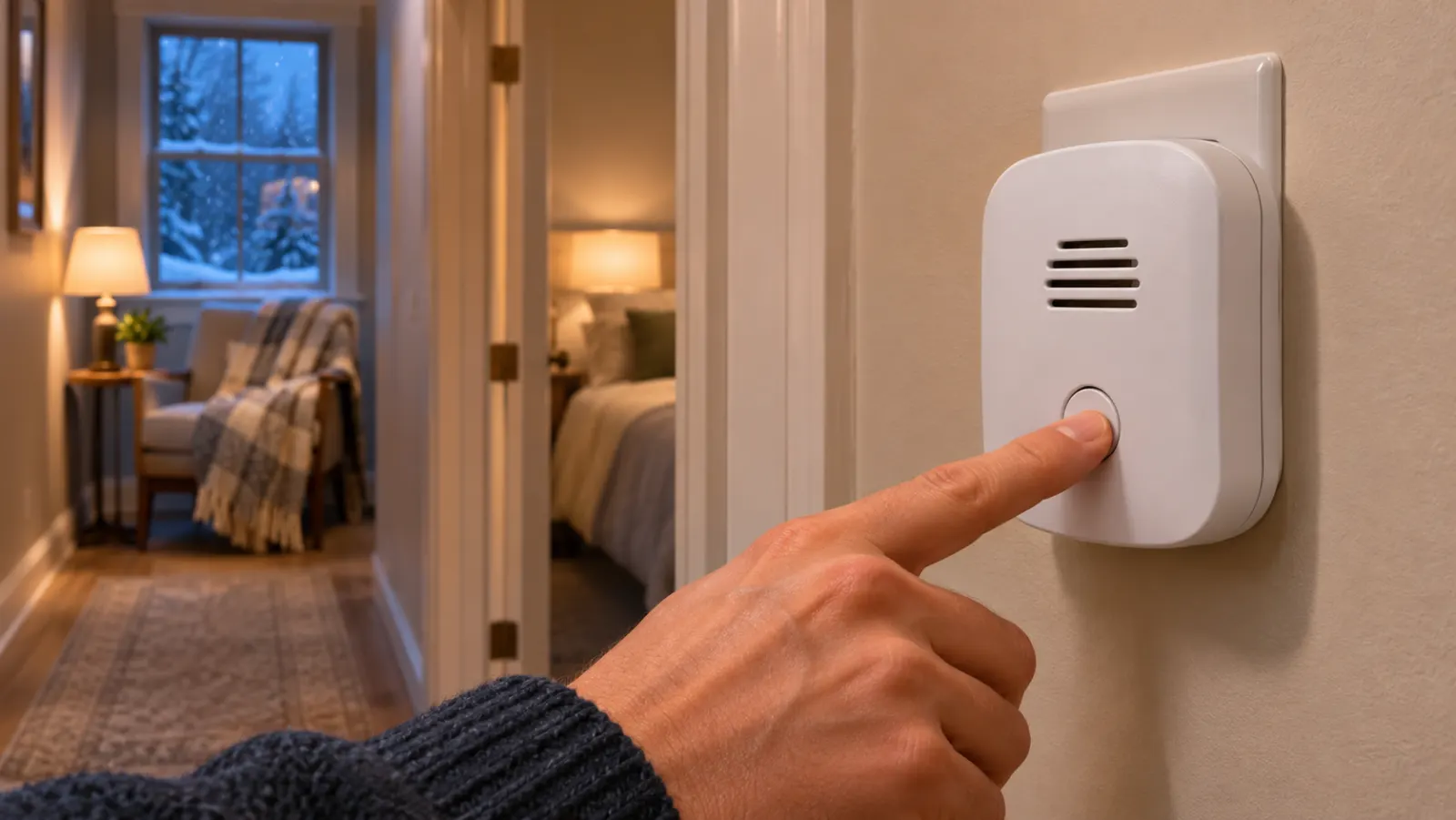
Picture a late-January evening. The furnace has been running hard for days, snow has drifted against the side of the house, and everyone at home seems to be coming down with the same thing: a dull headache, a little nausea, a heavy tiredness that makes the whole family want to go to bed early. It looks like the flu that has been going around. But on Saturday afternoon, after a few hours out at the mall, the headaches have faded. Back home that night, they return.
That pattern, symptoms that ease when you leave and return when you come back, is one of the most important clues to carbon monoxide poisoning. Carbon monoxide, or CO, is a gas you cannot see, smell, or taste. It is produced whenever fuel is burned, and in a well-functioning home it is safely vented outside. When something goes wrong, it can build up quietly, and the early symptoms are easy to mistake for something ordinary.
Winter is the peak season for carbon monoxide poisoning in Scarborough and across Ontario, simply because it is when we run furnaces, close windows, warm up cars, and reach for space heaters. This article explains where CO comes from, why it is dangerous, how to recognize it, and exactly what to do if you suspect it. The most important points are simple, and they can save lives.
Why carbon monoxide is so dangerous
Your red blood cells carry oxygen around the body using a protein called hemoglobin. Carbon monoxide binds to hemoglobin far more tightly than oxygen does. When you breathe it in, it crowds out the oxygen, and your organs, especially the brain and heart, start to run short.
Because you cannot detect it with your senses, CO gives no warning. People can become confused or drowsy before they realize anything is wrong, which makes it harder to react. At high levels, it can cause loss of consciousness and death. At lower levels over longer periods, it can cause ongoing headaches, fatigue, and difficulty concentrating.
Where it comes from in a Scarborough home
Anything that burns fuel can produce carbon monoxide. In most homes and apartments, the common sources are:
- Furnaces and boilers, especially if they are poorly maintained, cracked, or not venting properly
- Gas water heaters
- Gas or wood fireplaces, including blocked chimneys
- Gas stoves and ovens, particularly if used for heating
- Gas clothes dryers with blocked vents
- Cars, snowblowers, and generators running in or near the home
Winter-specific situations to watch for
Some of the most dangerous scenarios happen only in the cold months:
- Warming up a car in an attached garage. Even with the garage door open, exhaust can seep into the house through connecting doors and walls. Back the car out and let it idle outdoors, away from windows and doors, or skip the warm-up altogether.
- Snow blocking outside vents. High-efficiency furnaces and water heaters often vent through the side of the house near ground level. After a storm, drifting snow or ice can cover those pipes and push exhaust back indoors. Clear them gently after every significant snowfall.
- Using the wrong heat source during a power outage. Never run a generator, barbecue, camp stove, or propane heater indoors, in a garage, or in a basement. Never heat your home with a gas oven or stove.
- Fuel-burning space heaters used in a closed room. Electric space heaters do not produce carbon monoxide, though they bring their own fire risks.
- Cars stuck in snow. If you are trapped in a running car during a storm, make sure the exhaust pipe is clear of snow and open a window slightly.
Apartments and townhouses
Scarborough has many apartment towers, rental basements, and attached townhomes. In these buildings, CO can travel between units from a shared garage, a neighbour’s appliance, or a central boiler. Having your own working alarm matters just as much in a rental as in a house you own.
Recognizing the symptoms
Early or mild exposure
- Headache, often dull and constant
- Dizziness or light-headedness
- Nausea or vomiting
- Tiredness and weakness
- Shortness of breath, especially with exertion
Higher or longer exposure
- Confusion or trouble thinking clearly
- Blurred vision
- Chest pain or a racing heart
- Clumsiness or loss of coordination
- Drowsiness, fainting, seizures, or loss of consciousness
How it differs from the flu
Carbon monoxide poisoning is often called “the great imitator” of winter illness, but there are some useful differences:
- No fever. CO usually does not cause a fever or body aches the way influenza does.
- Several people affected at once. If everyone in the household, including pets, feels unwell at the same time, think about CO.
- Location pattern. Symptoms improve when you are away from home and return when you come back, or are worse in the morning after a night with the furnace running.
- Pets acting strangely. Small animals may become sluggish or ill before people notice symptoms.
Who is most at risk
Anyone can be affected, but some people become ill faster or more severely:
- Babies and young children
- Pregnant people, because the developing baby is especially vulnerable
- Older adults
- People with heart disease, lung conditions such as COPD, or anaemia
- Anyone who is asleep or intoxicated, since they may not notice symptoms
In multigenerational households, which are common in Scarborough, it is often a grandparent or a small child who feels unwell first. Take their symptoms seriously.
What to do if you suspect carbon monoxide
This is the part to remember. If your CO alarm sounds, or if you suspect carbon monoxide because of symptoms, do not try to find the source yourself.
- Get everyone out of the home immediately, including pets. Do not stop to open windows or collect belongings.
- Call 911 from outside or from a neighbour’s home.
- Do not go back inside until firefighters or a qualified professional tell you it is safe.
- Seek medical care for anyone with symptoms, even if they start to feel better once they are outside.
Anyone who is unconscious, confused, having chest pain, or having trouble breathing needs emergency care right away. Hospital treatment typically involves breathing high-flow oxygen, which helps clear CO from the blood faster. In some serious cases, specialized treatment may be considered.
Feeling better in the fresh air does not mean the danger is over. Some people develop symptoms such as memory problems or changes in mood in the days or weeks after significant exposure. If that happens, let a clinician know about the CO exposure.
A note about the smell of gas
Natural gas has an added odour, often described as rotten eggs, so leaks can be detected. Carbon monoxide has no smell at all. If you smell gas, leave the home and call 911 or your gas utility’s emergency line from outside. If your CO alarm is sounding, follow the steps above, even if you smell nothing.
Carbon monoxide alarms: your best protection
The law in Ontario
Ontario requires carbon monoxide alarms in homes that have a fuel-burning appliance, a fireplace, or an attached garage, generally placed outside sleeping areas. Landlords have responsibilities for alarms in rental units as well. The exact requirements depend on the type of home, so check with your local fire service or your landlord if you are unsure what applies to you.
Getting the most from your alarms
- Install alarms outside every sleeping area, and consider one on each level of the home, including the basement near the furnace.
- Test them monthly using the test button.
- Replace batteries as directed by the manufacturer, and check whether hard-wired alarms have a battery backup.
- Check the expiry date. CO alarms do not last forever. Most have a replacement date printed on the back, and many will chirp when they reach the end of their life.
- Know the difference between a smoke alarm and a CO alarm, or choose a combination unit and learn its different sounds.
- Never ignore or disconnect a sounding alarm assuming it is faulty.
Preventing CO problems before they start
A little routine maintenance does most of the work:
- Have your furnace, water heater, and other fuel-burning appliances inspected by a licensed technician every year, ideally before winter.
- Keep chimneys and flues clear and have fireplaces checked.
- Keep outdoor vents, intake pipes, and dryer vents free of snow, ice, leaves, and nests.
- Never leave a vehicle, snowblower, or generator running in a garage, even with the door open.
- Make sure fuel-burning appliances have enough ventilation, and do not block air returns with furniture or storage.
When to see a clinician after an exposure
Emergency situations go to the emergency department. For milder or uncertain cases, or for follow-up after a known exposure, it is reasonable to see a clinician if you or a family member have:
- Ongoing headaches, dizziness, or fatigue after a household CO incident
- New problems with memory, concentration, or mood in the weeks following exposure
- A pregnancy and any known CO exposure, even if symptoms were mild
- Recurring “flu” that seems linked to being at home
At HealthSmart Medical, our walk-in clinic can assess lingering symptoms, and if you need tests or ongoing review, follow-up appointments let a clinician track your recovery. For people living with heart or lung disease, who are more vulnerable to CO, our chronic disease management services include winter planning. When in doubt, Health811 offers free nursing advice at any hour.
Staying warm and safe this winter
Carbon monoxide poisoning in Scarborough is largely preventable: a working alarm, a serviced furnace, clear vents, and a car that never idles in the garage cover most of the risk. If anyone in your household has unexplained winter headaches or flu-like symptoms that seem tied to being at home, take it seriously.
HealthSmart Medical is at 2425 Eglinton Ave. East, Unit 12. Call 416-757-7117 or book online for non-emergency concerns. And if your CO alarm ever sounds, get everyone outside first and call 911; questions can wait until you are safe.
This article is for general information and is not a substitute for medical advice. If you have severe or worsening symptoms, call 911 or go to the nearest emergency department.