Few medical tasks generate as many small, practical questions as blood work. Do I need to fast? Can I drink coffee? Which lab do I go to? Do I need an appointment? When will I hear back, and what does it mean if I don’t? For something so routine, it can feel surprisingly confusing, especially if it is your first time getting tests done in Ontario.
Blood tests are one of the most useful tools in everyday medicine. They help clinicians check how well your kidneys and liver are working, screen for diabetes and high cholesterol, look for anaemia, monitor medications, and investigate symptoms that do not have an obvious cause. A few millilitres of blood can answer questions that no amount of guessing could.
This guide follows the process from start to finish: how a requisition works, how to prepare, what the most common tests on the form actually check, and how results come back to you. It is written for patients getting blood work in Scarborough, whether you are a long-time resident, a newcomer navigating OHIP for the first time, or someone helping an older parent get to their appointments.
Step one: the lab requisition
What a requisition is
In Ontario, you generally cannot walk into a community lab and ask for blood tests on your own. A clinician first fills out a laboratory requisition, a standard form that lists the specific tests to be done, your health information, and who should receive the results. Think of it as the lab’s instructions.
You might get a requisition:
- During an annual physical or checkup
- When you see a clinician about a new symptom, such as fatigue or unexplained weight loss
- As part of monitoring a long-term condition like diabetes, thyroid disease, or high blood pressure
- When you start or adjust certain medications that need lab monitoring
- Before a procedure or as part of a referral to a specialist
At HealthSmart Medical, clinicians provide blood work requisitions after assessing what tests are actually needed for your situation. More tests are not always better; the right tests are the ones that answer a clear question.
Paper or electronic
Requisitions may be printed for you to bring, or sent electronically depending on the lab and the clinic’s systems. Either way, check before you leave the clinic that you know which lab to visit and whether you need to bring anything.
What is covered
Most medically necessary blood tests ordered by a clinician are covered by OHIP when you have a valid Ontario health card. A small number of tests may not be covered in certain situations, and the lab will tell you if there is a fee. If cost is a concern, ask your clinician before you go.
Step two: preparing for the test
Fasting: when it matters and when it doesn’t
Fasting is the single most common source of confusion. The short answer: follow the instructions on your requisition or from your clinician. Not every blood test needs fasting.
- Fasting blood glucose requires fasting, typically for at least 8 hours, with only water allowed.
- Cholesterol (lipid) tests often no longer require fasting, but sometimes your clinician will specifically ask for a fasting sample.
- A1C, thyroid tests, complete blood count, and many others usually do not require fasting.
If you are told to fast, that generally means nothing to eat or drink except plain water. Black coffee, tea, juice, and gum can affect certain results, so skip them until after the draw unless told otherwise.
Medications on test day
Most people should keep taking their regular medications as usual, but there are exceptions. If you take insulin or diabetes pills that can cause low blood sugar, ask your clinician how to handle a fasting test so you do not become hypoglycaemic. If you take thyroid medication, ask whether to take it before or after your blood test. Let your clinician know about supplements too; high-dose biotin, for example, can interfere with some lab results.
Practical tips for an easier draw
- Drink water beforehand (unless told otherwise). Being well hydrated makes veins easier to find.
- Wear a top with sleeves that roll up easily above the elbow. On a cold Scarborough morning, layers you can peel off make this simpler.
- Bring your health card and requisition, plus your glasses if you need them to fill in forms.
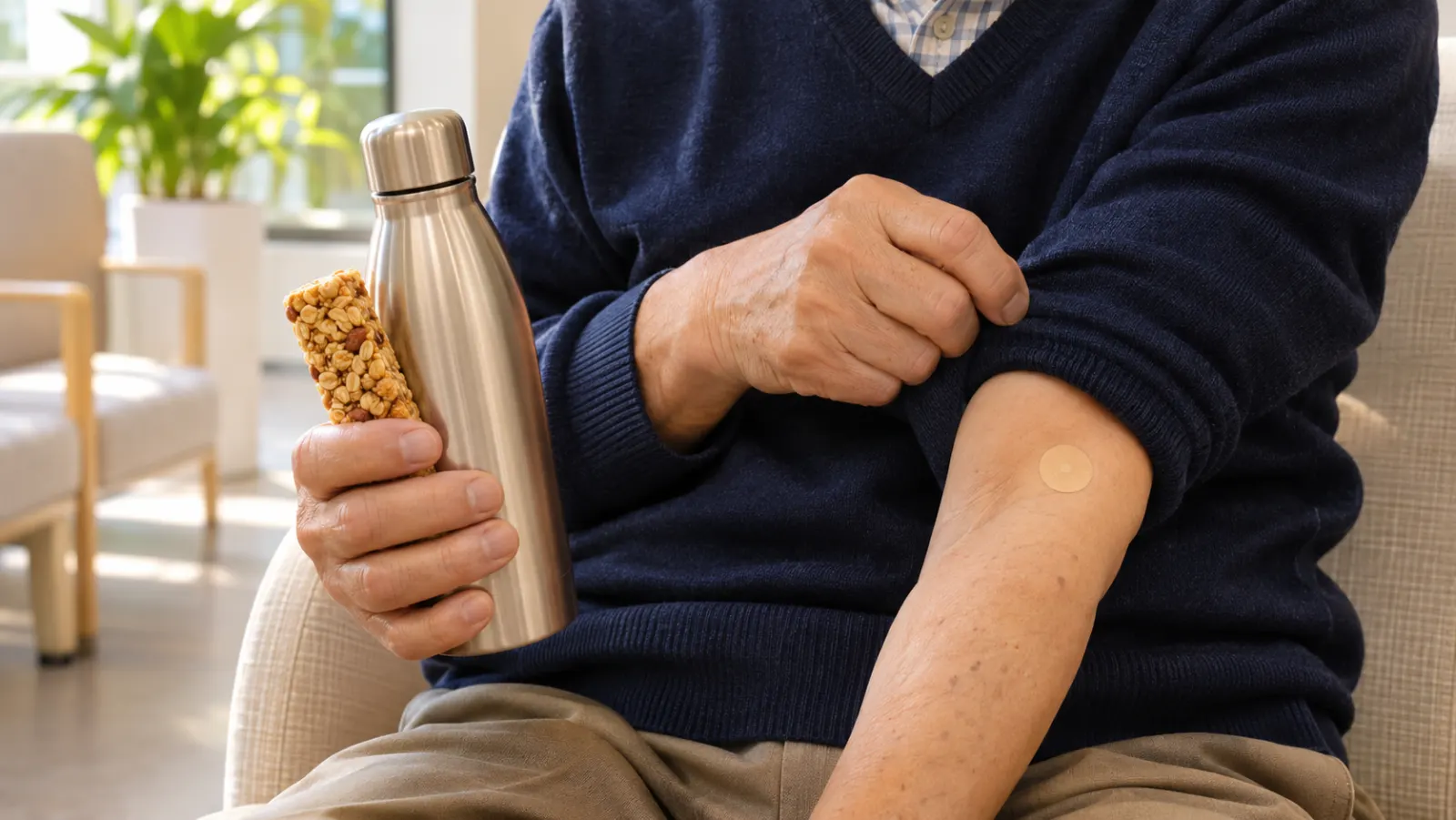
- Eat soon after a fasting test. Packing a granola bar or piece of fruit for the walk back to the bus stop is a good habit.
- Mention fainting history. If you have ever felt faint during blood draws, tell the technician. They can have you lie down.
Booking and timing
Many community labs let you book an appointment online, and some also accept walk-ins. Early mornings are popular because of fasting tests, so booking ahead can save waiting. If you are commuting along Eglinton or using the TTC, a lab close to home or work often makes the process easier, and it is fine to choose whichever location is most convenient as long as it accepts your requisition.
Step three: the draw itself
For most people, blood work takes only a few minutes. A technician will confirm your identity, check your requisition, and choose a vein, usually on the inside of your elbow. You will feel a brief pinch. Several small tubes may be filled, often with different coloured caps for different tests. A cotton ball and bandage go on afterward, and gentle pressure for a minute helps prevent bruising.
Tips for nervous patients and children
If needles make you anxious, you are far from alone. It helps to:
- Look away and focus on slow breathing
- Tell the technician you are nervous so they can talk you through it
- Bring someone along for support
- For children, ask your clinician or pharmacist about numbing creams that can be applied in advance
Mild bruising afterward is common and fades on its own. If you notice increasing swelling, significant pain, or redness spreading from the site, contact a clinician.
What common tests actually check
A requisition can look like a page full of abbreviations. Here is a plain-language guide to some of the tests ordered most often in family medicine. Your clinician chooses tests based on your age, symptoms, history, and medications, so you may not have all of these.
Complete blood count (CBC)
The CBC looks at three main types of blood cells:
- Red blood cells and hemoglobin, which carry oxygen. Low levels may indicate anaemia, which can cause fatigue, shortness of breath, or pale skin.
- White blood cells, which fight infection. Abnormal levels can point to infection, inflammation, or other conditions.
- Platelets, which help blood clot.
Blood sugar tests
- Fasting glucose measures blood sugar after an overnight fast.
- A1C reflects average blood sugar over the previous two to three months and is used to screen for and monitor diabetes.
Cholesterol (lipid profile)
This usually includes total cholesterol, LDL (“bad”) cholesterol, HDL (“good”) cholesterol, and triglycerides. Results are interpreted alongside your blood pressure, smoking status, diabetes, family history, and age to estimate your heart risk. HealthSmart Medical offers ongoing cholesterol monitoring for patients who need it.
Kidney function
Creatinine and the related eGFR (estimated glomerular filtration rate) show how well the kidneys are filtering waste. These are especially important for people with diabetes, high blood pressure, or medications that affect the kidneys. Sometimes a urine test for protein is ordered alongside.
Electrolytes
Sodium, potassium, and chloride help keep fluid balance, nerves, and muscles working properly. Certain blood pressure medications and water pills can shift these levels, so they are commonly checked during medication monitoring.
Liver tests
Enzymes such as ALT and others give clues about liver health. Mild changes can be caused by fatty liver, alcohol, some medications, or viral hepatitis, among other things.
Thyroid (TSH)
Thyroid-stimulating hormone is the main screening test for an underactive or overactive thyroid. A high TSH usually suggests the thyroid is underactive; a low TSH suggests it may be overactive.
Iron studies, vitamin B12, and others
Ferritin reflects the body’s iron stores and is often checked when someone has fatigue or anaemia. Vitamin B12 may be tested if there are concerns about absorption, diet, or certain medications. Other tests may be added for specific symptoms.
Step four: getting and understanding your results
How results reach you
Results go to the clinician who ordered the tests. Many Ontario labs also offer patients online access to their own results through a portal, which can be convenient, but seeing numbers before your clinician has reviewed them can sometimes cause unnecessary worry.
What “out of range” really means
Lab reports show a reference range for each test, and results outside it are often flagged. A flag does not automatically mean something is wrong:
- Reference ranges are based on a large population, so some healthy people naturally fall just outside them.
- Recent exercise, dehydration, a minor cold, or a skipped fast can nudge some results.
- A single slightly abnormal value is often repeated before any decision is made.
On the other hand, a result that looks “normal” can still matter in context. For example, a cholesterol level may be within the reference range but still higher than ideal for someone with diabetes. That is why interpretation belongs with your clinician.
Follow-up
Clinics have different processes for letting patients know about results. Ask at the time of your visit how you will hear back and whether you should book a follow-up appointment. If you need to discuss results, a follow-up appointment is the best place to go through them line by line, ask questions, and agree on next steps. Do not assume “no news is good news” if you were expecting a call and have not heard anything; it is always reasonable to check.
Keeping your own record
It can be helpful to keep a simple record of key results over time, such as A1C, cholesterol, kidney function, or TSH, along with the date. Seeing trends makes it easier to understand your health and to share accurate information if you see another clinician, visit a walk-in clinic, or travel.
Situations that should not wait for a lab appointment
Blood work is for planned testing, not emergencies. If you have chest pain, severe shortness of breath, signs of stroke (face drooping, arm weakness, speech difficulty), heavy bleeding, confusion, a high fever with a stiff neck, or severe abdominal pain, call 911 or go to the nearest emergency department. If you are unsure whether a symptom is urgent, Health811 offers free advice from a registered nurse, 24 hours a day.
Blood work support at HealthSmart Medical in Scarborough
Whether you need tests for an annual checkup, a new symptom, or ongoing condition monitoring, HealthSmart Medical can help you get the right requisition and make sense of the results afterward. Our walk-in and family medicine clinic at 2425 Eglinton Ave. East, Unit 12, also arranges laboratory testing referrals as part of broader assessments.
To get started, call 416-757-7117 or book online. Bring your health card, a list of medications and supplements, and any recent results from other clinics. Getting blood work in Scarborough does not have to be confusing; once you know the steps, it becomes one of the simplest things you can do for your health.
This article is for general information and is not a substitute for medical advice. If you have severe or worsening symptoms, call 911 or go to the nearest emergency department.