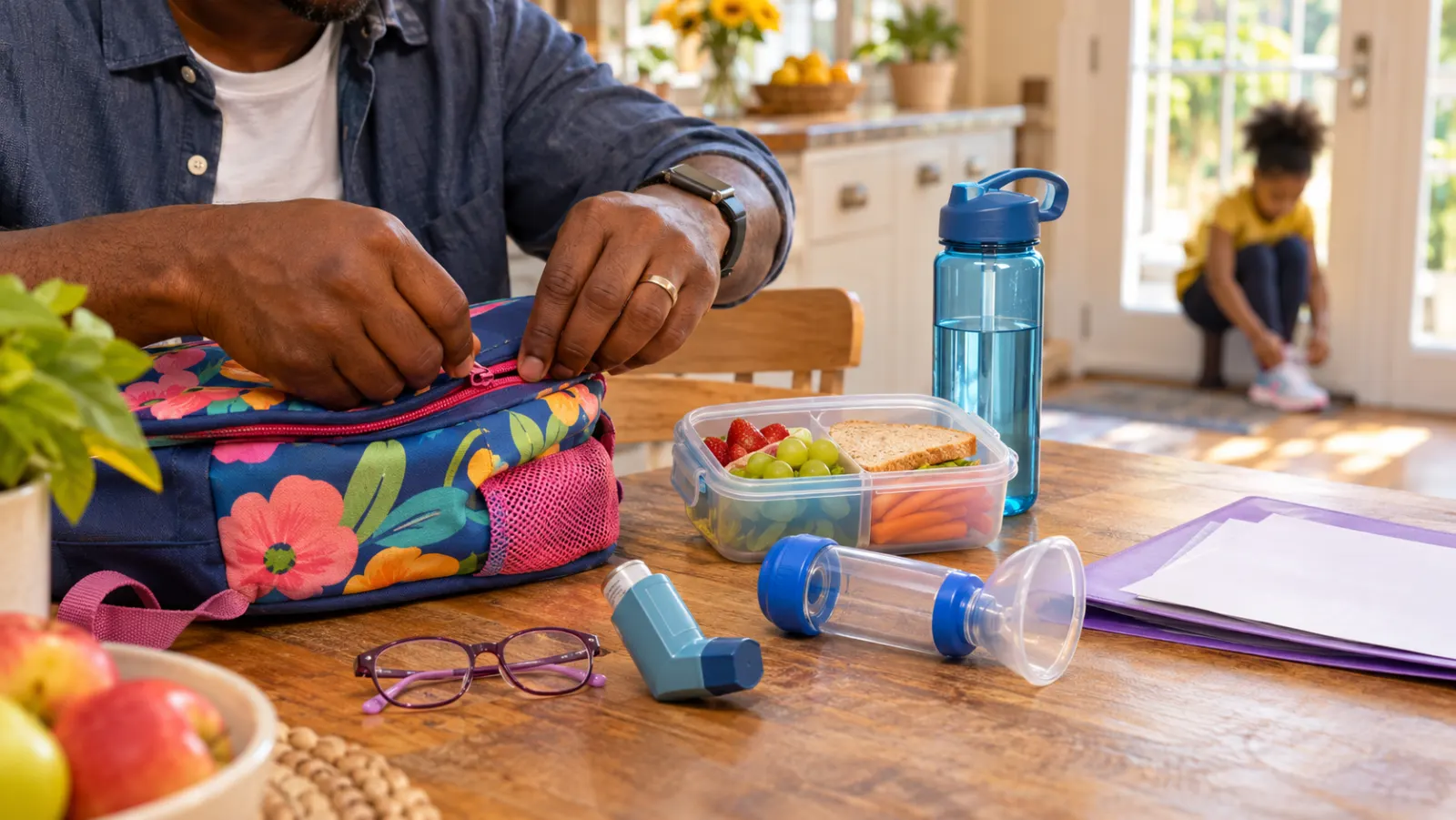
The last week of August always seems to move faster than the rest of the summer. One minute the kids are at the splash pad or visiting cousins, and the next you are standing in a store aisle trying to remember whether it was the wide-ruled or the college-ruled notebooks. School supplies get a list. Health often does not.
That is a shame, because a few small health tasks done before the first bell can save a lot of stress in October. A missing vaccine record, an expired EpiPen, a child who cannot see the board, or a teen whose sleep schedule has drifted to 3 a.m. are all much easier to deal with now than in the middle of the term.
What follows is a practical checklist built for families in Scarborough, whether you have a kindergartener starting full days, a Grade 9 student heading into a bigger high school, or a newcomer child walking into a Canadian classroom for the first time. Pick what applies to your family and leave the rest.
Start with sleep, two weeks before school
If there is one item to start right away, it is sleep. Summer schedules slide later and later, and the jump back to a 7 a.m. alarm can be rough. Tired children have a harder time concentrating, are more irritable, and tend to get sick more often.
A gradual shift works better than a sudden one. Try moving bedtime and wake-up time earlier by about 15 minutes every few days until you reach the school schedule.
A few habits make the adjustment easier:
- Keep screens out of the bedroom, or at least switch them off an hour before bed
- Get morning daylight, even a short walk around the block
- Keep bedtime routines predictable: bath, brushing teeth, reading, lights out
- Avoid caffeine for teens in the afternoon and evening, including energy drinks and iced coffee
- Aim for a similar wake-up time on weekends, within reason
Teenagers naturally drift toward later sleep, so be patient. If your child snores loudly most nights, stops breathing briefly during sleep, struggles to fall asleep for long stretches, or is exhausted despite enough hours in bed, mention it to a doctor.
Check vaccination records
In Ontario, the Immunization of School Pupils Act requires students to have certain vaccines, or a valid exemption, on file with their local public health unit. For Scarborough families, that is Toronto Public Health. If records are incomplete, you may receive a notice, and students can eventually be suspended from school until records are updated.
The simplest fix is to check before anyone sends a letter.
What to do
- Find your child’s yellow immunization card or other vaccine records.
- Compare them with what your child’s school or public health has on file. You can usually report vaccines to Toronto Public Health online.
- If you are unsure whether your child is up to date, book a visit and bring every record you have.
Kindergarten-age children and teens around 14 to 16 often have booster doses due, and Grade 7 students are usually offered several vaccines through school-based programs. Your doctor can confirm what your child needs based on current Ontario schedules.
Newcomer families
If your family arrived in Canada recently, your child’s vaccine history from another country still counts, but it needs to be reviewed and translated into the Ontario schedule. Bring whatever documents you have, even handwritten cards or records in another language. Some children will need catch-up immunizations to match what Ontario schools require, and this can often be spread across a few visits.
You can also book children’s vaccinations at HealthSmart Medical, and fall is a good time to ask about the seasonal flu shot as well once it becomes available.
Vision and hearing: the quiet learning problems
Children rarely complain that they cannot see well. They often do not know that what they see is blurry, because it is all they have ever known. Instead, they might squint, sit too close to the TV, rub their eyes, get headaches after reading, lose their place on a page, or lose interest in schoolwork.
Routine eye exams with an optometrist are covered by OHIP for children and teens, and a full eye exam before school starts is a good idea, especially for young children who have never had one. Check with the optometrist’s office about coverage details when you book.
Hearing problems can also look like behaviour or attention problems. Watch for a child who often says “what?”, turns the volume up high, does not respond when called from another room, or has speech that seems behind other children their age. Frequent ear infections or a feeling of blocked ears are worth having checked. In some cases, the cause is as simple as ear wax buildup, though a doctor should take a look before anyone tries to clear it.
Allergies and asthma: put the plan in writing
If your child has a serious allergy or asthma, the school needs to know before the first day, not after the first reaction.
Life-threatening allergies
Ontario’s Sabrina’s Law requires schools to have policies to protect students with anaphylaxis. That works best when parents do their part:
- Tell the school about the allergy and provide an up-to-date emergency plan
- Check the expiry date on every epinephrine auto-injector. Replace any that are expired or will expire during the school year
- Decide with the school where the auto-injector will be kept and whether your child will carry one
- Make sure your child knows how to recognize a reaction and ask an adult for help
- Pack lunches and snacks with the school’s allergy policies in mind
Asthma
Under Ontario’s Ryan’s Law, schools must have asthma policies, and students are allowed to carry their reliever inhaler with parent permission. Before school starts:
- Make sure the reliever inhaler is not empty or expired
- Pack a spacer if your child uses one
- Review inhaler technique with your child, since poor technique is common
- Share an asthma action plan with the school if your child has one
Fall can be a tough time for asthma. Back-to-school colds spread quickly, and respiratory viruses are one of the most common asthma triggers. If your child has been using their reliever inhaler more often, waking at night with cough, or getting winded easily, consider booking an asthma management visit before the season gets busy.
School and activity forms
Many families run into form deadlines in the first few weeks. Common examples include:
- Medication administration forms if your child needs medicine during the school day
- Allergy or anaphylaxis emergency plans
- Sports participation forms for school teams
- Medical notes for gym class restrictions after an injury
- Forms for daycare, before- and after-school programs, or camps
Gather them all in one folder and bring them to a single appointment where possible. That saves time for you and helps the clinician see the full picture. HealthSmart Medical offers school physicals and general form completion; let the clinic know what you need when you book.
Mental health and the emotional side of a new year
A new school year brings excitement, but it can also bring real worry. Younger children may be anxious about separating from a parent or a new teacher. Older children may be nervous about friendships, social media, grades, or a new school building. Teens in Scarborough often juggle school, part-time work, family responsibilities, and long commutes on the TTC, and it adds up.
Starting the conversation
You do not need a perfect script. Simple, open questions help:
- “What are you looking forward to this year?”
- “Is there anything you’re worried about?”
- “Who do you think you’ll sit with at lunch?”
Try talking during car rides, walks, or while cooking together. Many children open up more easily when they are not sitting face to face.
Signs to watch
Some first-week nerves are normal. Talk to your child’s doctor if you notice changes that last more than a couple of weeks or are getting worse, such as:
- Frequent stomach aches or headaches on school mornings without a clear cause
- Refusing to go to school
- Big changes in sleep, appetite, or mood
- Pulling away from friends or activities they used to enjoy
- Ongoing irritability, tearfulness, or hopelessness
- Falling grades or a sudden lack of interest in school
If a child or teen talks about wanting to die or harm themselves, take it seriously. Call 911 or go to the nearest emergency department if there is immediate danger. For support, you can call or text 9-8-8, Canada’s suicide crisis helpline, at any time. Kids Help Phone is also available around the clock for young people.
Everyday health habits that carry through the year
Hand washing and sick days
Teach younger children to wash their hands before eating and after using the washroom. Hand sanitizer in the backpack helps for times when a sink is not handy.
It also helps to agree on a sick-day plan before the first fever hits. Who stays home? Who picks up the child if the school calls? Keeping a child home when they have a fever, vomiting, or diarrhea helps protect classmates and teachers, and many schools have their own guidance on when a child can return.
Food and water
A breakfast with some protein and fibre helps concentration through the morning. A reusable water bottle in the backpack makes it easier for kids to stay hydrated, especially in warm September classrooms.
Backpacks
Heavy backpacks can cause neck, shoulder, and back discomfort. Use both straps, pack the heaviest items closest to the back, and clean out the bag each week. If your child complains of ongoing back pain, have it checked.
Screen time
Set some family ground rules for screens on school nights. Phones charging outside the bedroom overnight is a simple rule that helps sleep for many teens.
A quick printable list
For parents who just want the short version:
- Shift bedtime earlier, starting two weeks before school
- Check and update vaccine records with Toronto Public Health
- Book an eye exam
- Note any hearing concerns
- Replace expired auto-injectors and inhalers
- Share allergy and asthma plans with the school
- Collect all school, sport, and program forms
- Talk about feelings and worries about the new year
- Agree on a sick-day plan
- Pack a water bottle and hand sanitizer
Let HealthSmart Medical help you get ready
If your checklist has a few blanks, the team at HealthSmart Medical in Scarborough can help. We see children and teens for vaccine reviews, school forms, asthma and allergy follow-up, and general check-ups, whether you have a family doctor or not.
Find us at 2425 Eglinton Ave. East, call 416-757-7117, or book online. A short visit now can make the whole school year feel a little more manageable.
This article is for general information and is not a substitute for medical advice. If you have severe or worsening symptoms, call 911 or go to the nearest emergency department.