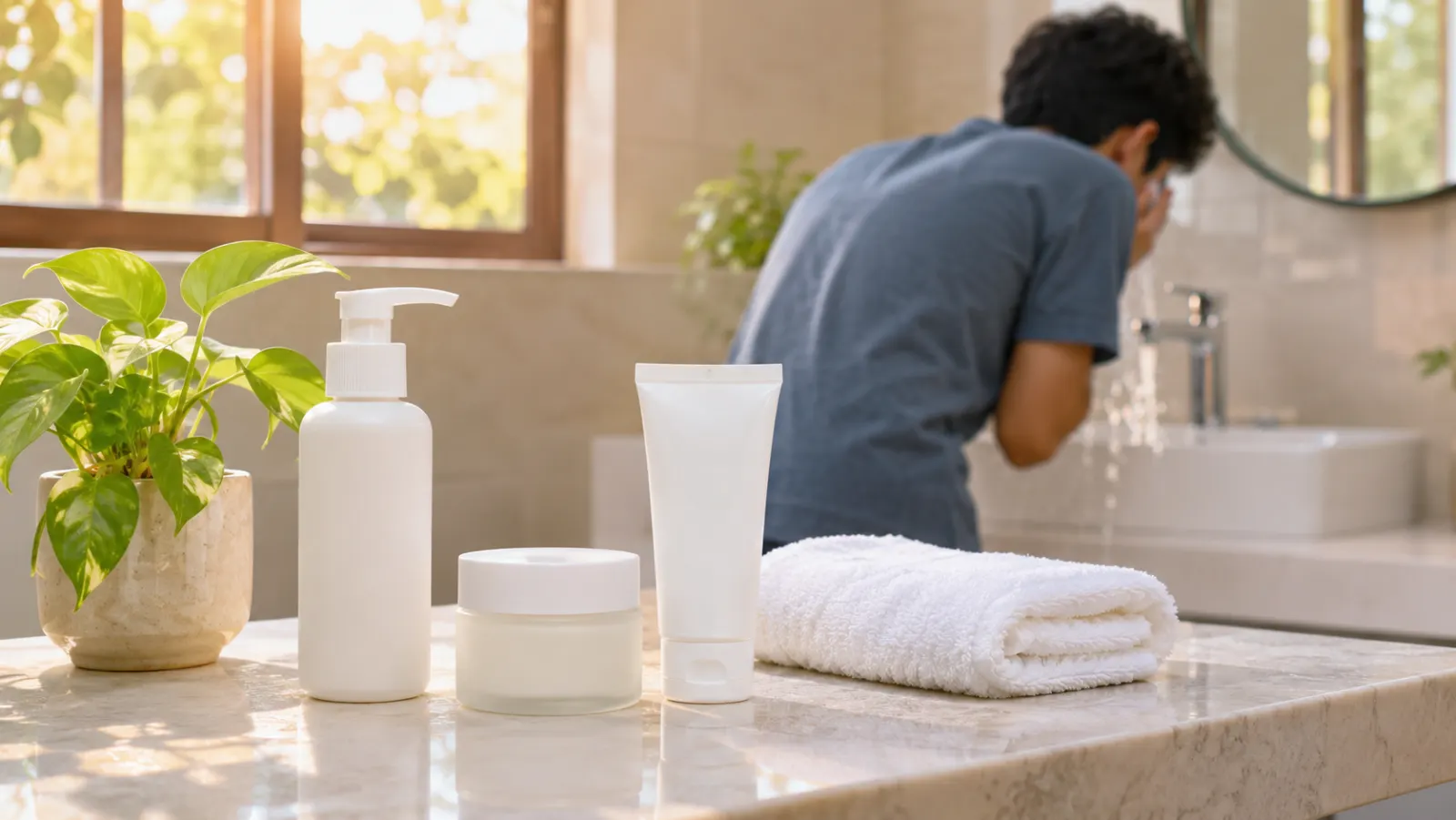
Acne has a way of feeling much bigger than it looks to anyone else. A teenager getting ready for school picture day, a university student starting a new co-op placement, a 32-year-old who thought breakouts ended in high school: all of them know what it is like to lean into the bathroom mirror and feel their mood sink.
It is also one of the most common skin conditions there is, and one of the most treatable. Yet many people spend months or years cycling through drugstore products, harsh scrubs, and remedies from social media before ever talking to a clinician about it. Others hear that acne is “just a phase” and are told to wait it out, even when it is leaving scars or affecting their confidence.
This guide is for teens, parents, and adults in Scarborough who want to understand what is going on with their skin, what they can try at home, and what a family doctor can offer. It gives particular attention to something that is often overlooked in mainstream skincare advice: the dark marks that acne leaves behind on brown and Black skin, which can bother people as much as the breakouts themselves.
What is actually happening in your skin
Acne starts in the hair follicles, the tiny pores that also contain oil glands. Four things tend to come together:
- Extra oil production, often driven by hormones, which is why acne commonly starts around puberty
- Dead skin cells clogging the pore, forming blackheads and whiteheads
- Bacteria that normally live on the skin multiplying inside the clogged pore
- Inflammation, which turns a plugged pore into a red bump, a pus-filled spot, or a deep, painful nodule
Acne is not caused by being dirty, and scrubbing harder does not fix it. In fact, aggressive washing usually makes irritation and inflammation worse.
Types of spots
- Blackheads and whiteheads (comedones): small, non-inflamed plugs
- Papules and pustules: red bumps and pimples with a white or yellow centre
- Nodules and cysts: deeper, larger, painful lumps that are more likely to scar
Knowing which types you have helps guide treatment. Mostly blackheads and whiteheads respond well to different products than deep, inflamed nodules.
Acne at different ages
Teen acne
Most teenagers get at least some acne. For many it stays mild, but for some it becomes widespread or painful. Parents sometimes hesitate to bring it up with a doctor, worried it is too minor, but acne that is affecting sleep, mood, school, or social life is a perfectly good reason to book. Early treatment of moderate or severe acne is also the best way to reduce the chance of permanent scarring. Our adolescent healthcare visits give teens space to talk about skin and anything else on their mind.
Adult acne
Acne in your twenties, thirties, and beyond is more common than many people realise, especially among women. Adult acne often shows up along the jawline, chin, and neck and may flare with the menstrual cycle. Contributors can include hormonal changes, stopping or switching birth control, stress, certain medications, heavy or pore-clogging cosmetics and hair products, and sometimes underlying conditions such as polycystic ovary syndrome (PCOS). If acne arrives along with irregular periods, new hair growth on the face or body, or scalp hair thinning, mention it, because these can point to a hormonal cause worth looking into.
Skincare basics that genuinely help
Before, or alongside, any prescription, a simple and gentle routine makes a big difference.
- Wash twice a day, and after sweating, with a mild, fragrance-free cleanser and lukewarm water. Use your fingertips, not a rough cloth or scrub.
- Moisturise. Many acne treatments are drying. A light, non-comedogenic moisturiser helps your skin tolerate them.
- Use sunscreen every day. This matters year-round in Scarborough, including on grey winter days, and it is especially important for preventing dark marks. Look for a broad-spectrum, non-comedogenic sunscreen.
- Look for “non-comedogenic” or “oil-free” on makeup, moisturisers, and sunscreens.
- Watch your hair products. Oils, pomades, and heavy styling products can trigger breakouts along the forehead and hairline. Keeping these products away from the face, and washing pillowcases often, can help.
- Keep hands off. Picking, squeezing, and popping spots pushes inflammation deeper and increases the risk of both scarring and dark marks.
- Clean things that touch your face, like phones, headphones, helmets, sports equipment, and face masks.
- Be patient. Most acne treatments take six to twelve weeks to show real improvement. Switching products every week means nothing gets a fair chance.
Over-the-counter options
Several effective ingredients are available without a prescription in Canada. Benzoyl peroxide helps kill acne bacteria and reduce inflammation. Salicylic acid helps unclog pores. Some topical retinoid-type products are also available at pharmacies. Start slowly, perhaps every second night, and build up as your skin gets used to the product. Benzoyl peroxide can bleach towels, pillowcases, and clothing, so white linens are a good idea.
A pharmacist can help you choose a product. If you have been using a sensible over-the-counter routine for a couple of months without improvement, or your acne is getting worse, it is time to talk to a clinician.
What about diet?
The evidence on diet and acne is still evolving. Some people notice that certain foods seem to make their acne worse, and some research has looked at links with high-sugar diets and dairy. It is reasonable to pay attention to your own patterns, but extreme diets are not recommended, especially for growing teens, and food changes alone rarely clear moderate or severe acne.
Treatments a family doctor can discuss
A family doctor can assess your skin, ask about your history and any medications, and talk through options that fit your type of acne, your skin tone, your age, and your plans. Common prescription approaches include:
- Prescription topical retinoids, which help prevent clogged pores and are a cornerstone of acne treatment. They can be irritating at first, so they are usually started gradually.
- Combination topical products, for example a retinoid or antibiotic combined with benzoyl peroxide.
- Topical azelaic acid, which can help acne and also helps fade dark marks, making it a useful option for some people with darker skin.
- Oral antibiotics for a limited period for moderate inflammatory acne, usually combined with topical treatment to reduce the risk of resistance.
- Hormonal treatments for some women, such as certain birth control pills or other medications that reduce the effect of hormones on oil glands. If contraception is also on your mind, a birth control consultation can cover both at once.
Some acne medications, including retinoids, are not safe in pregnancy. If you are pregnant, planning a pregnancy, or could become pregnant, make sure your clinician knows.
Every treatment has possible side effects, and your clinician will explain what to watch for. Tell them about any changes in mood while on acne treatment, and about any new rash, severe irritation, or stomach upset.
Dark marks and scars on darker skin
For many people in Scarborough’s South Asian, Black, Caribbean, Filipino, Middle Eastern, East Asian, and Latin American communities, the most frustrating part of acne is not the pimple. It is the mark it leaves behind.
Post-inflammatory hyperpigmentation
Those flat brown, dark brown, or purplish spots that linger after a breakout are usually post-inflammatory hyperpigmentation, often called PIH. They happen because inflammation triggers the skin to make extra pigment. PIH is not a true scar, and it usually fades over time, but on deeper skin tones it can take many months.
Ways to help prevent and fade it:
- Treat the acne itself. Fewer inflamed spots means fewer new marks.
- Do not pick. This is the single biggest preventable cause of lasting marks.
- Wear sunscreen daily. Sun exposure darkens existing marks and slows fading.
- Be careful with harsh products. Irritation from strong scrubs, undiluted home remedies like lemon juice, or overusing active ingredients can cause more darkening.
- Ask about treatments that address both acne and pigment, such as topical retinoids or azelaic acid.
Avoid skin-lightening creams sold online or in unregulated shops. Some contain high-strength steroids or mercury, which can damage the skin and cause other health problems. If you are unsure about a product, bring it to your appointment.
True scarring and keloids
Deep inflammatory acne can leave pitted or depressed scars, or raised, thickened scars. People with darker skin are more prone to keloids, which grow beyond the original spot. If you are developing scars, it is a strong reason to step up treatment early. Procedures to improve existing scars, such as lasers or peels, are usually done by dermatologists or cosmetic providers and are generally not covered by OHIP. Choose an experienced provider who works with your skin type, since some procedures carry a higher risk of pigment changes on deeper skin.
When a dermatology referral makes sense
Many people’s acne can be managed well in family practice. Your doctor may suggest a specialist referral to a dermatologist if:
- Acne is severe, with many nodules or cysts
- It is causing scarring despite treatment
- Several treatment courses have not helped
- The diagnosis is unclear, since some conditions, like rosacea, folliculitis, or hidradenitis suppurativa, can look like acne
- A treatment that requires specialist monitoring is being considered
Wait times for dermatology can vary, so it is worth continuing the best available treatment in the meantime.
When acne needs prompt attention
Most acne is not an emergency, but a few situations need to be seen soon:
- Sudden, severe, painful acne with fever, joint pain, or feeling generally unwell
- A spot that becomes a rapidly spreading, hot, red, painful area of skin, which may be an infection
- A painful, swelling lump that may need draining, which our abscess assessment service can look at
Acne can affect mental health more than people expect. If you or your teen is feeling low, withdrawing from friends, or skipping school because of skin, talk to us. If anyone is thinking about suicide or self-harm, call or text 9-8-8 any time, call 911, or go to the nearest emergency department. Call 911 for any severe allergic reaction to a medication, such as swelling of the lips, face, or throat, or difficulty breathing.
Talk to us about acne in Scarborough
You do not need to wait until acne is “bad enough.” If breakouts or marks are bothering you, that is reason enough to book. Bring a list of the products and medications you have already tried, including how long you used them, and come with a bare face if you can so your skin can be assessed properly.
HealthSmart Medical is at 2425 Eglinton Ave. East, Unit 12, close to the bus routes along Eglinton. Call 416-757-7117 or book online to set up a visit with one of our clinicians. Clearer skin usually comes from a steady plan rather than a miracle product, and we are happy to help you build one.
This article is for general information and is not a substitute for medical advice. If you have severe or worsening symptoms, call 911 or go to the nearest emergency department.